




 +89
Who Moves Caribbean Fashion?
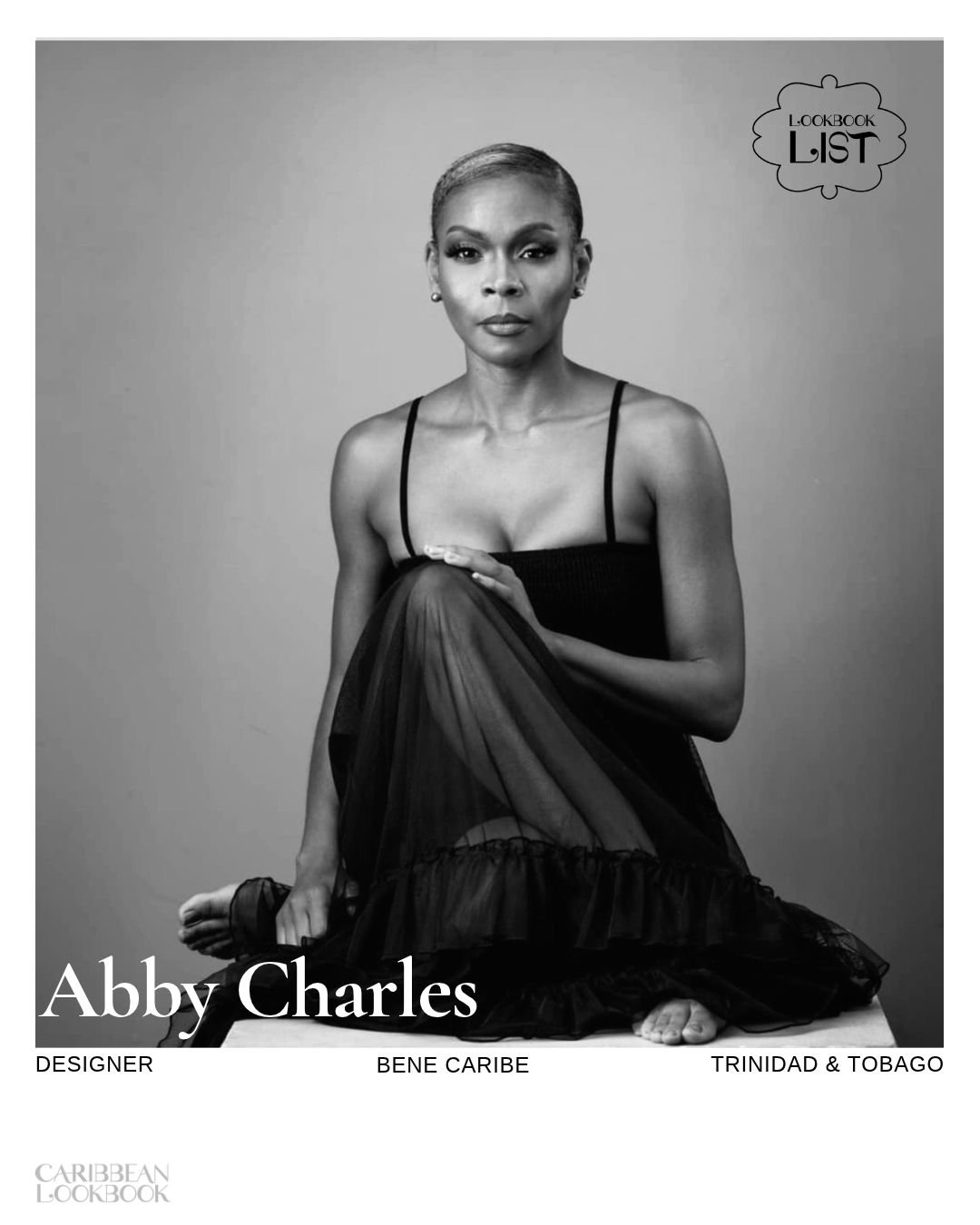



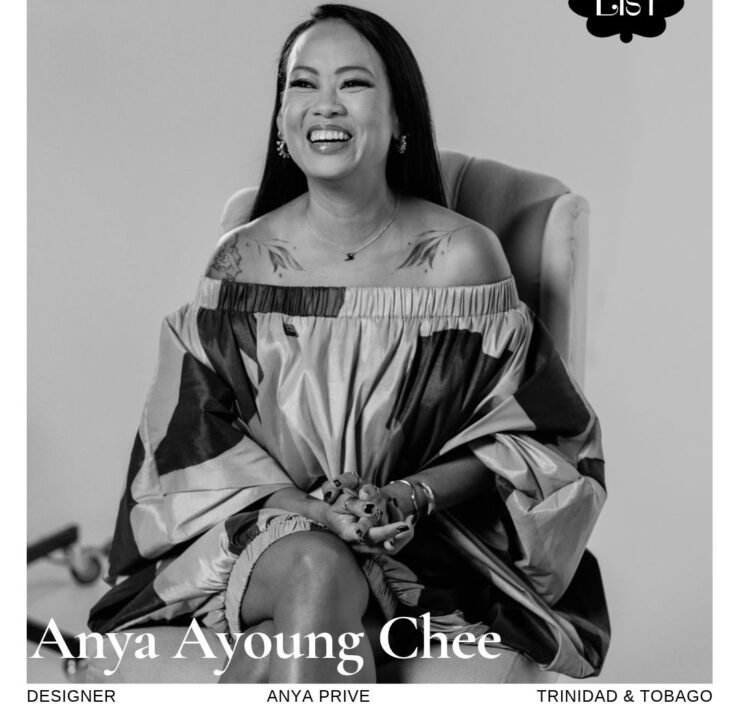
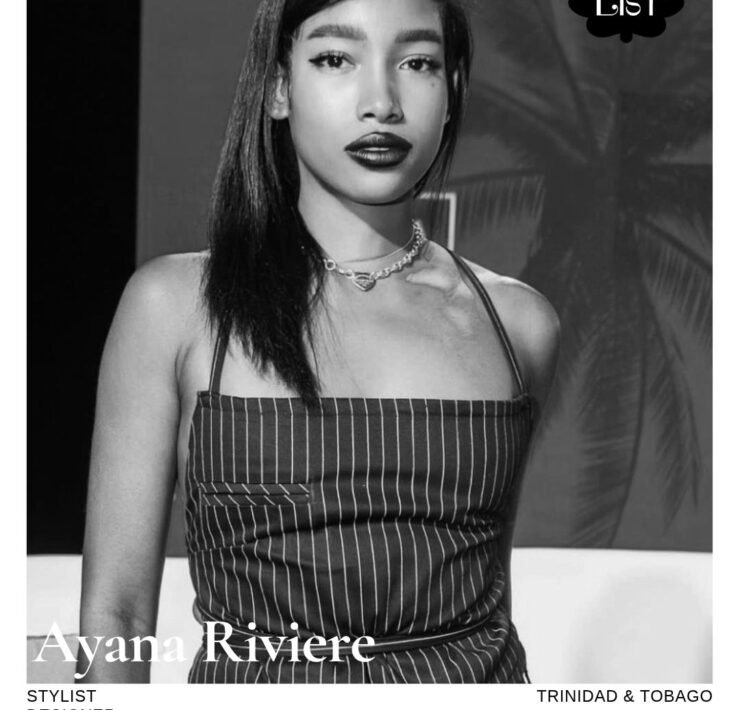
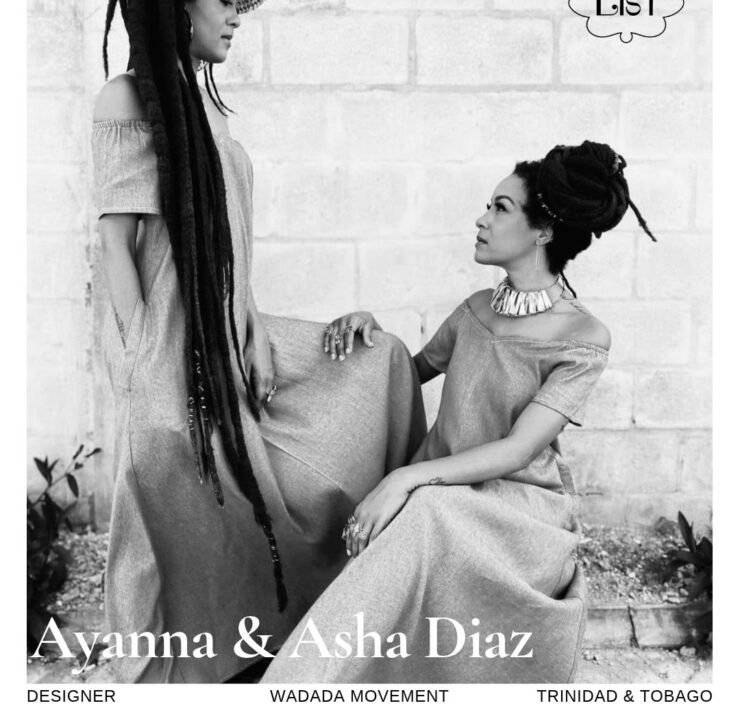
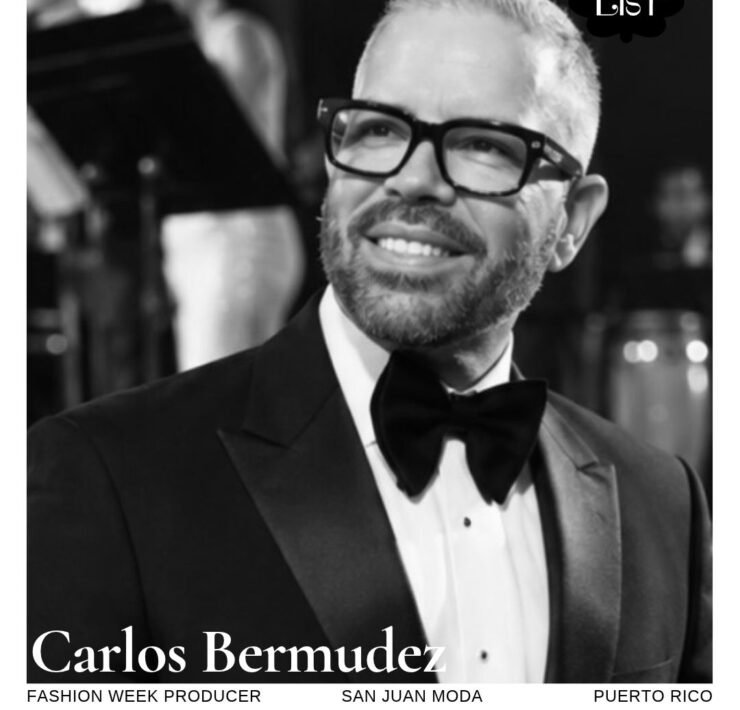

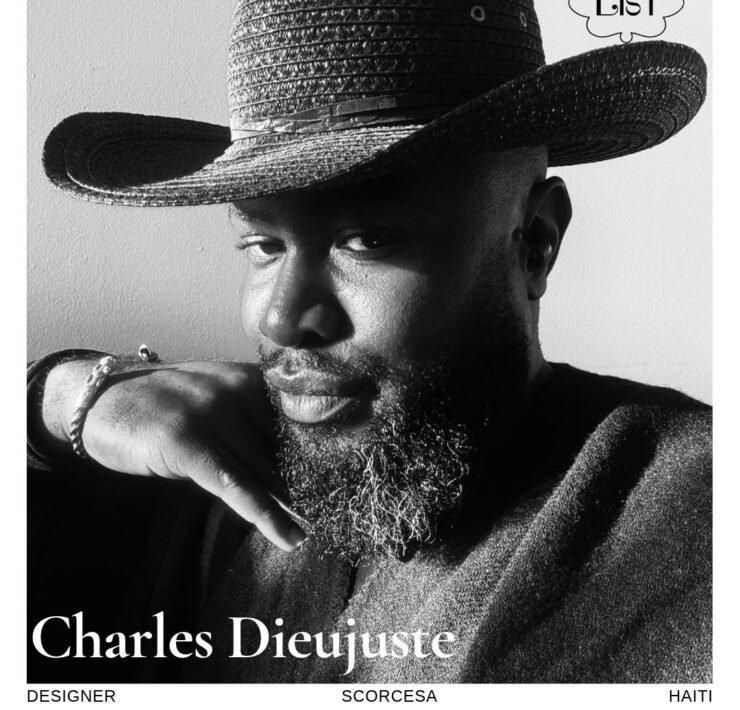

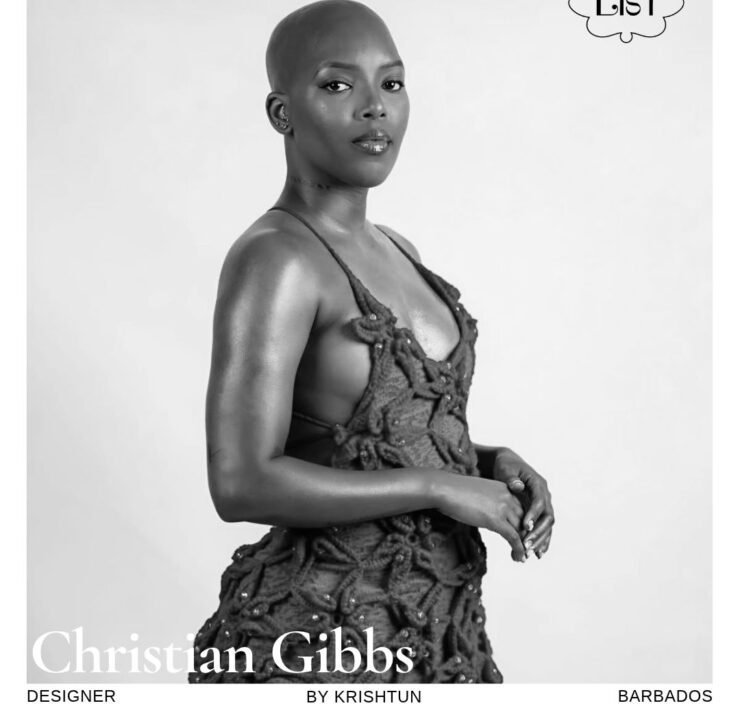
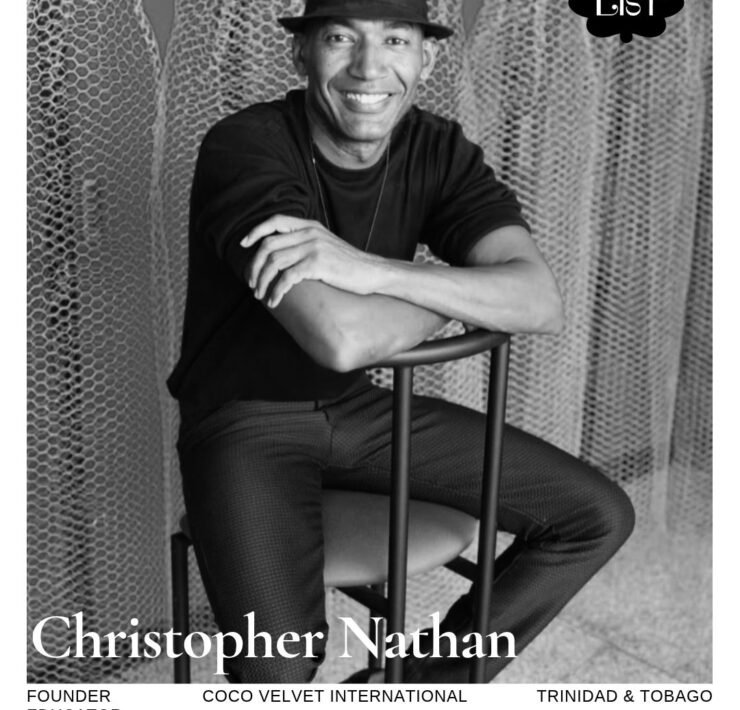

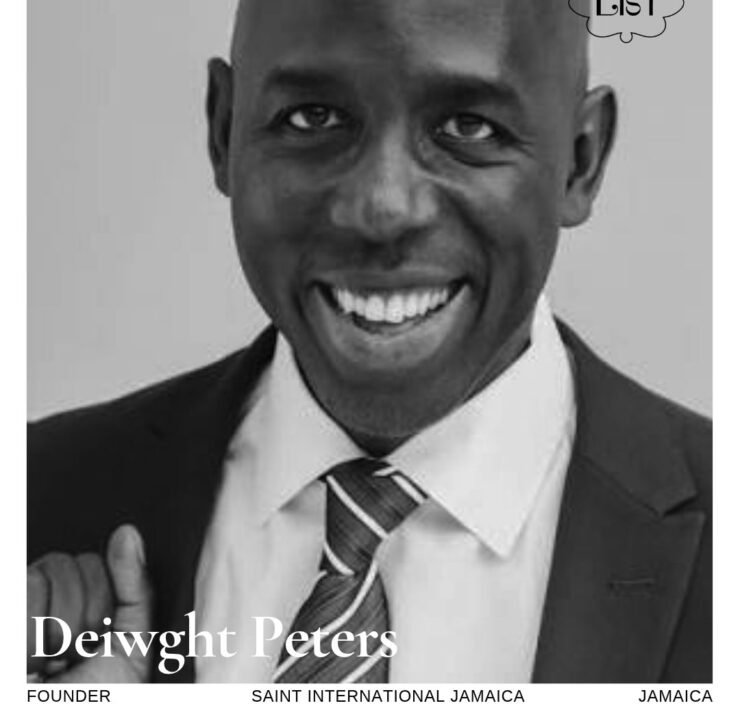
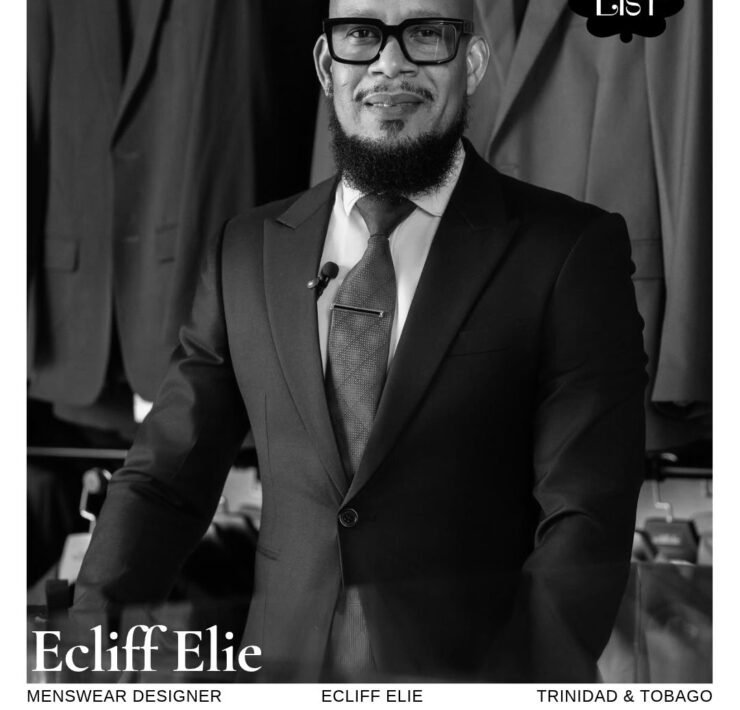
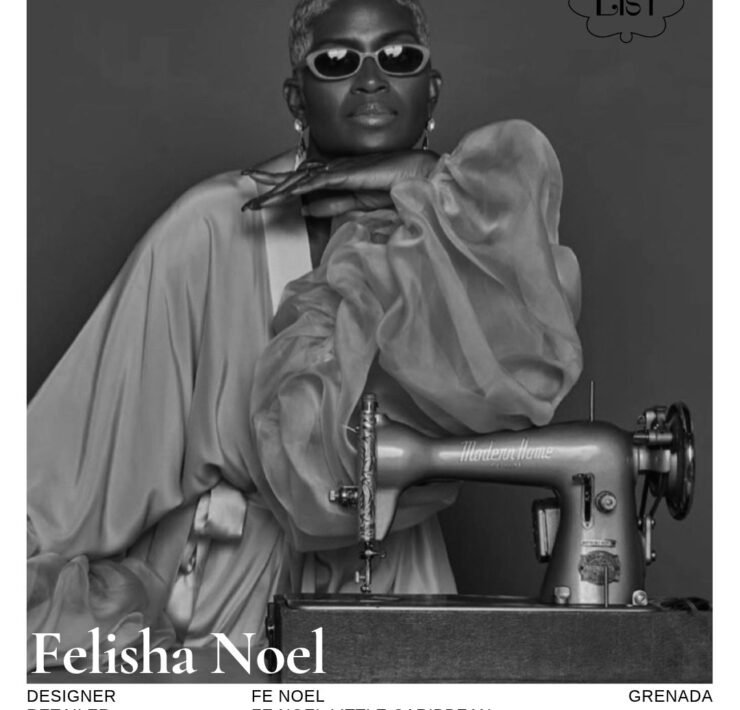
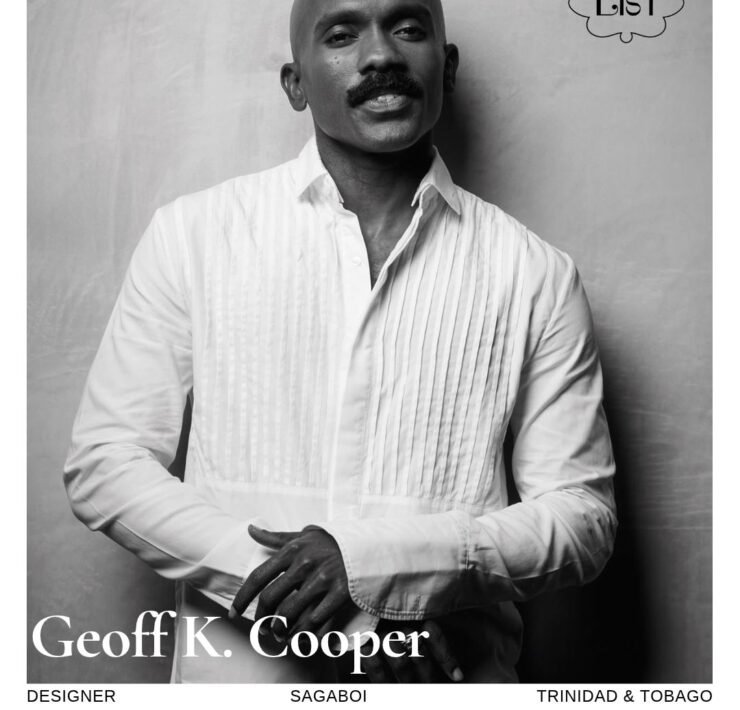


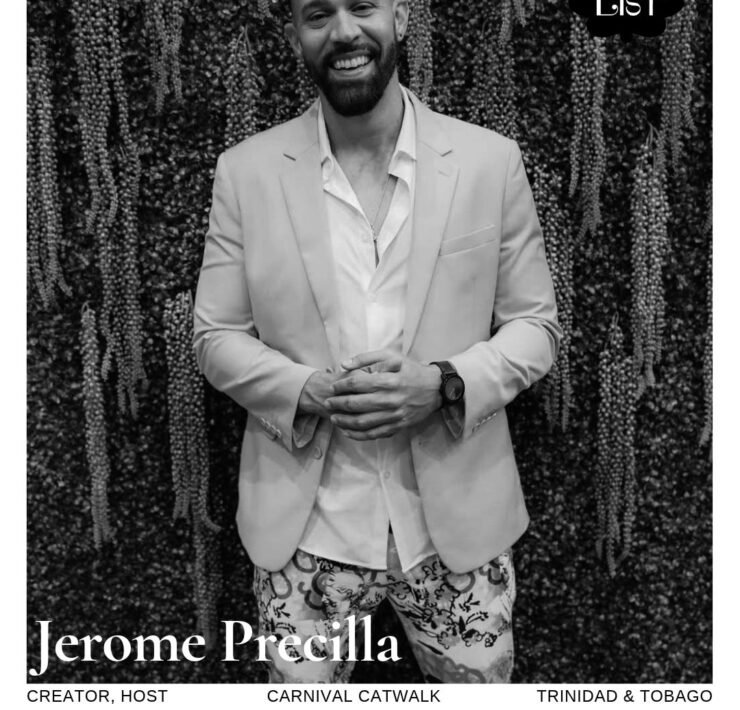
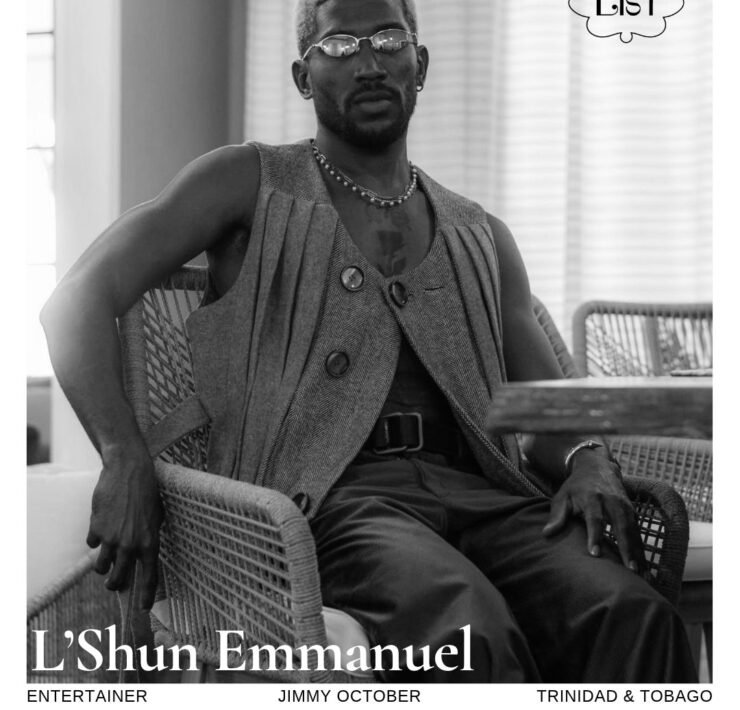

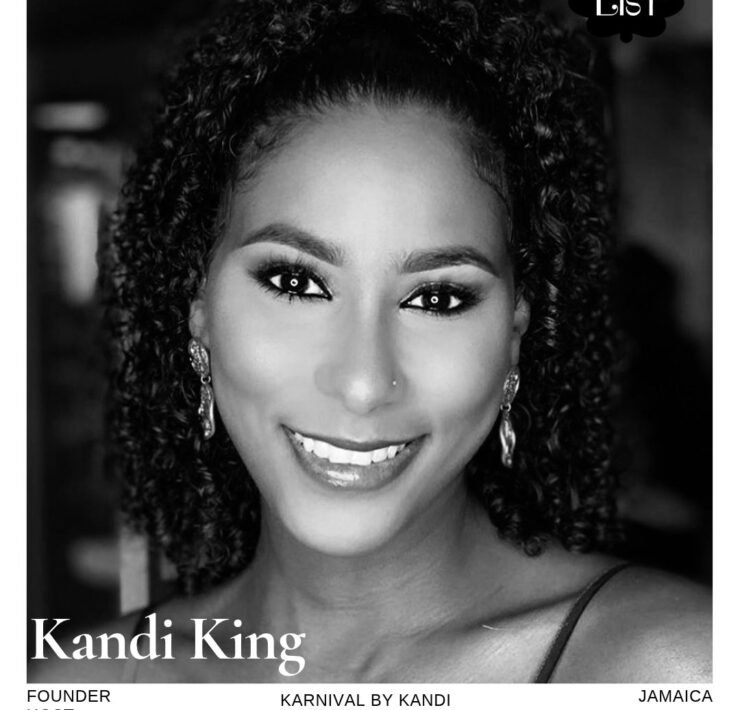
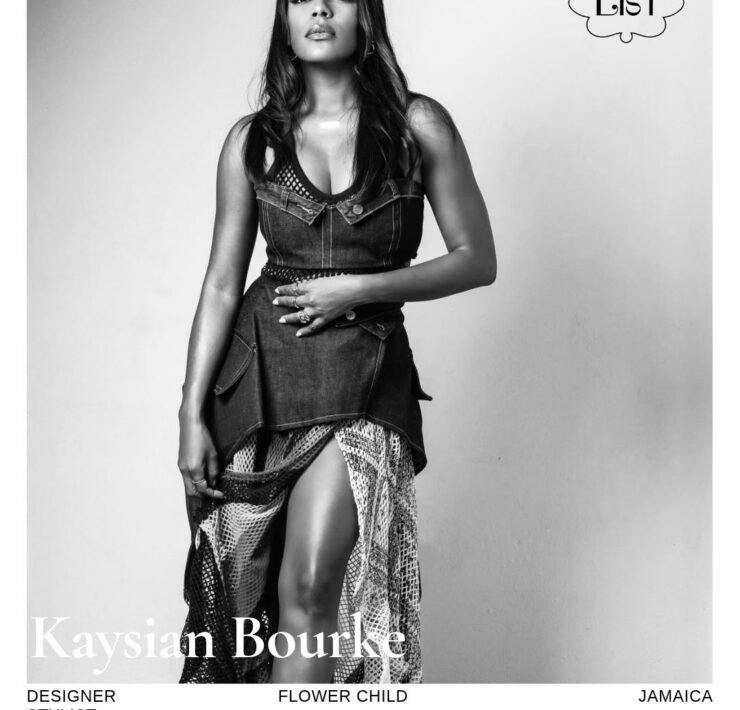

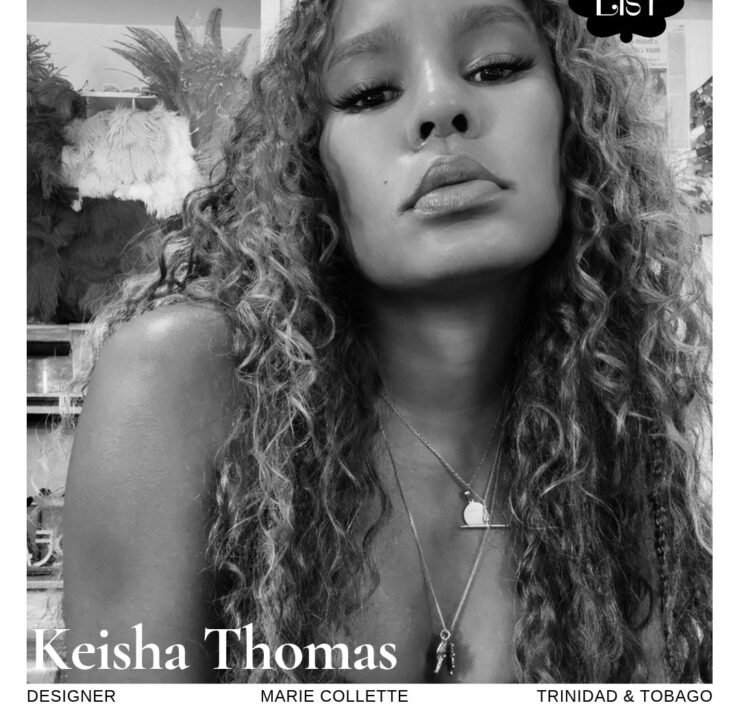


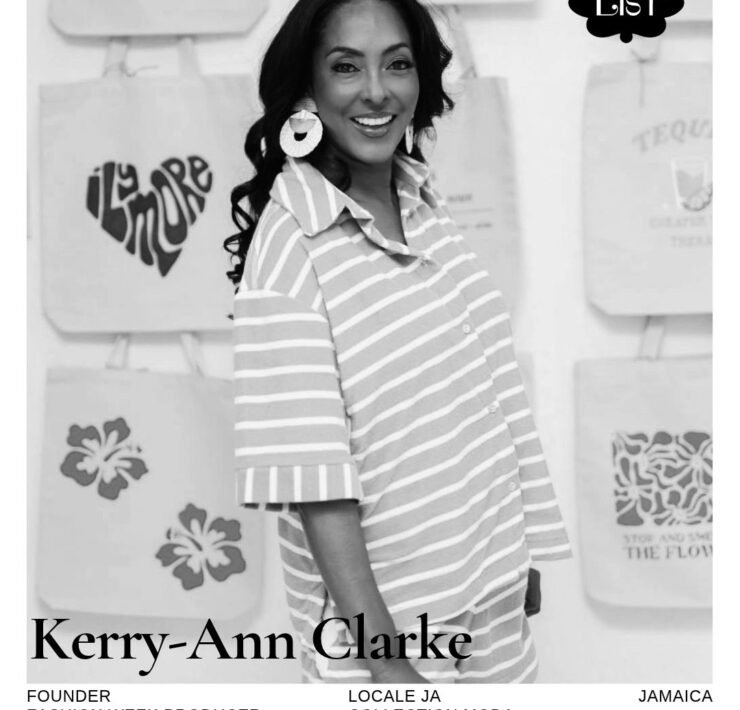
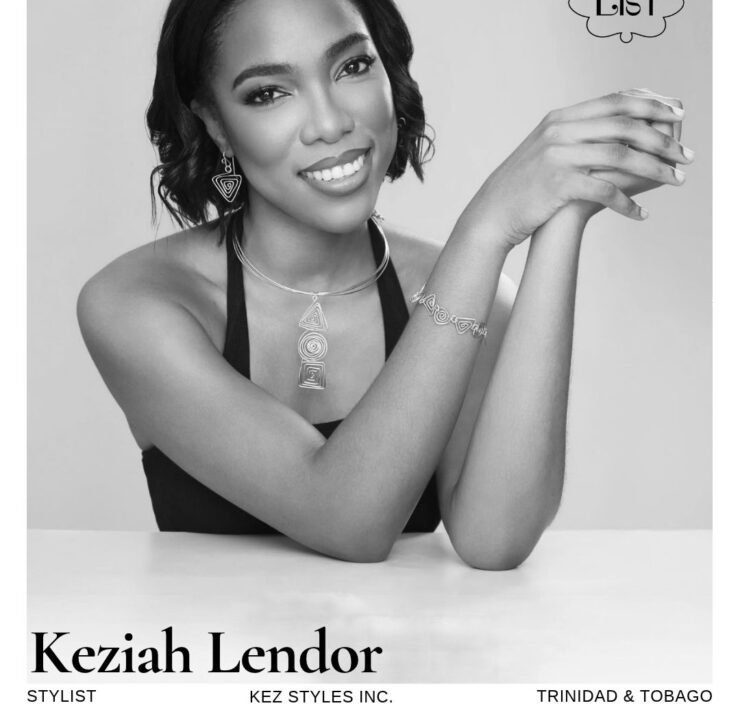

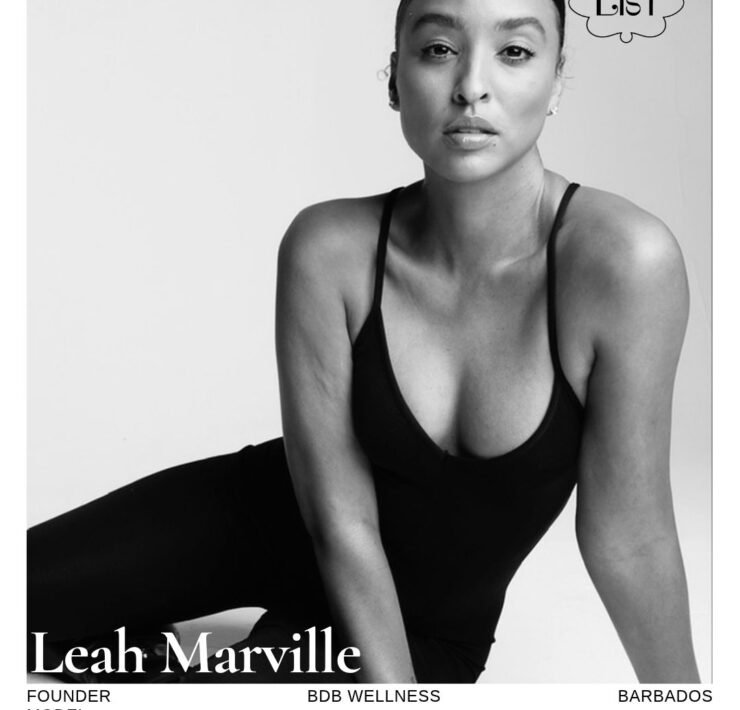


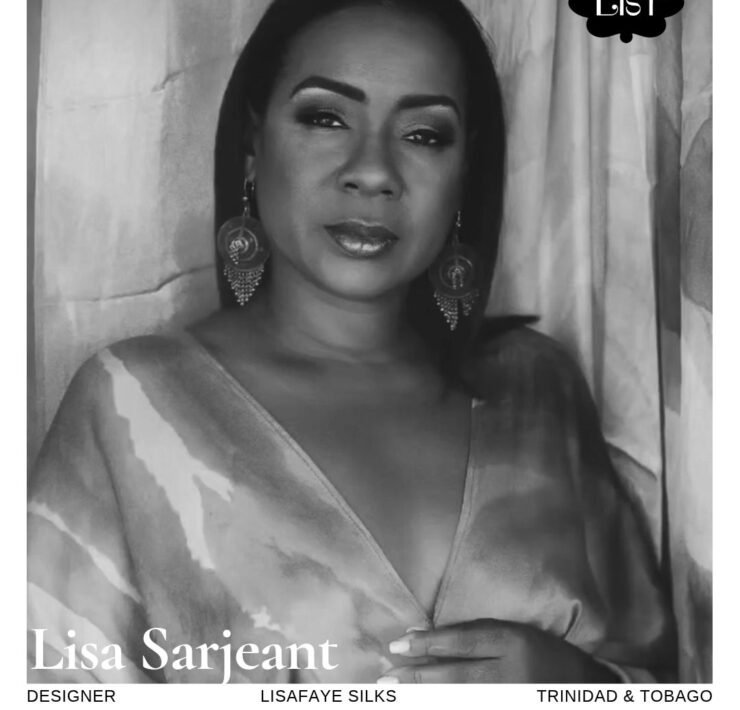
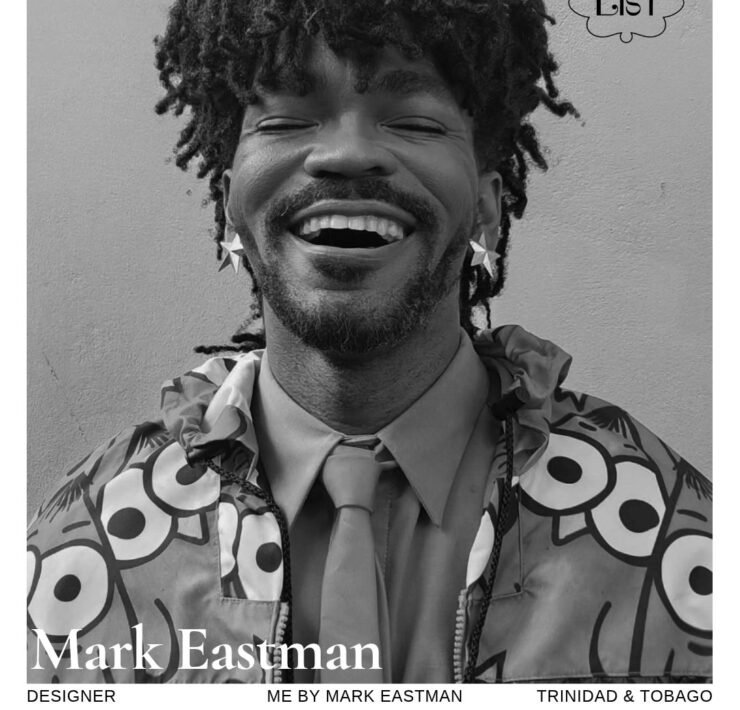
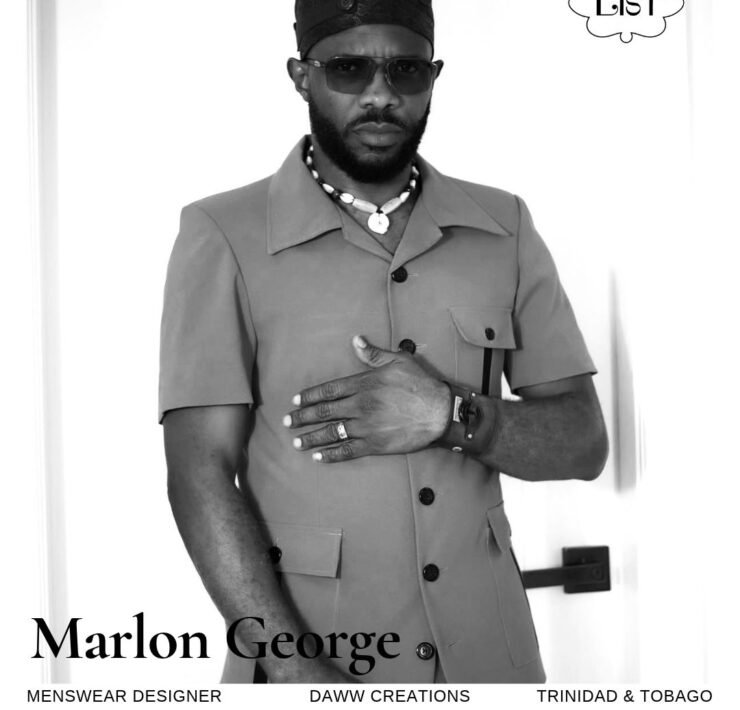


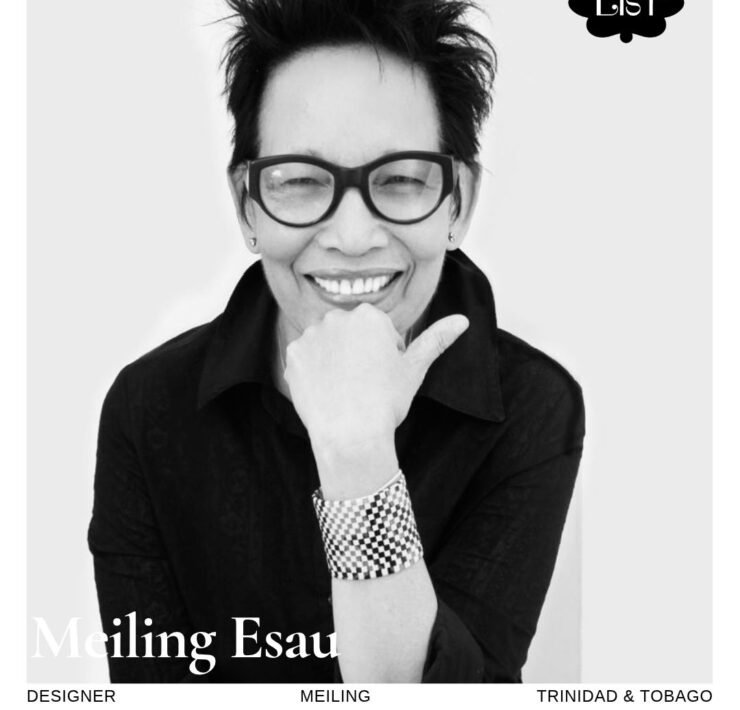
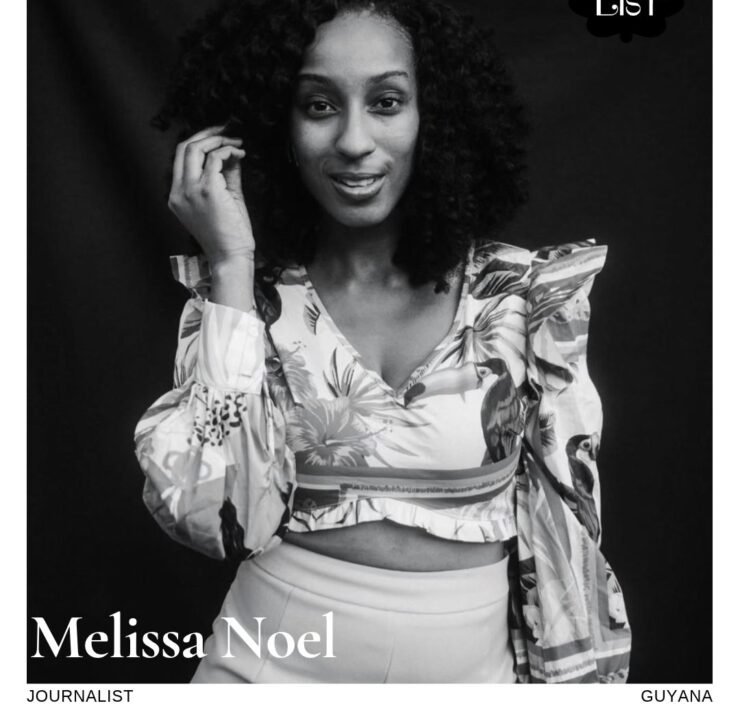

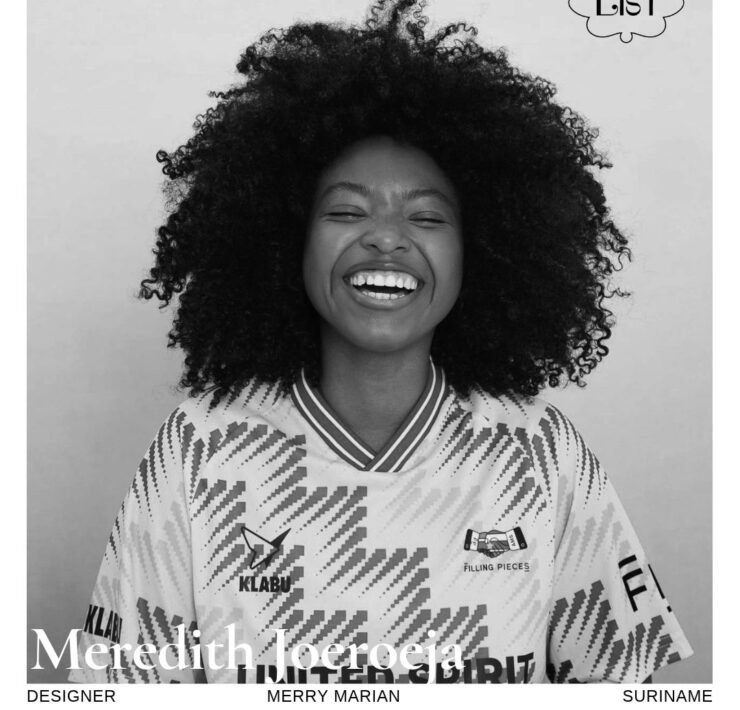
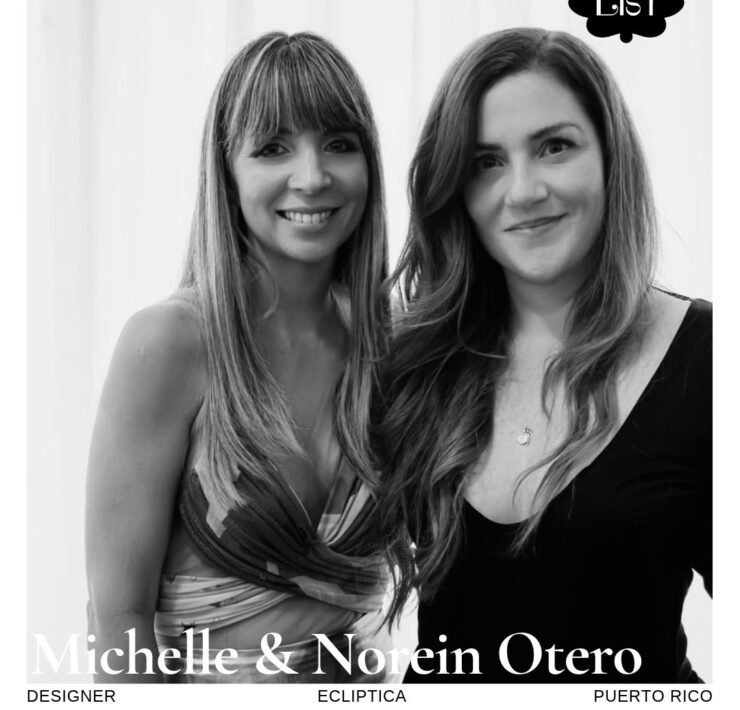


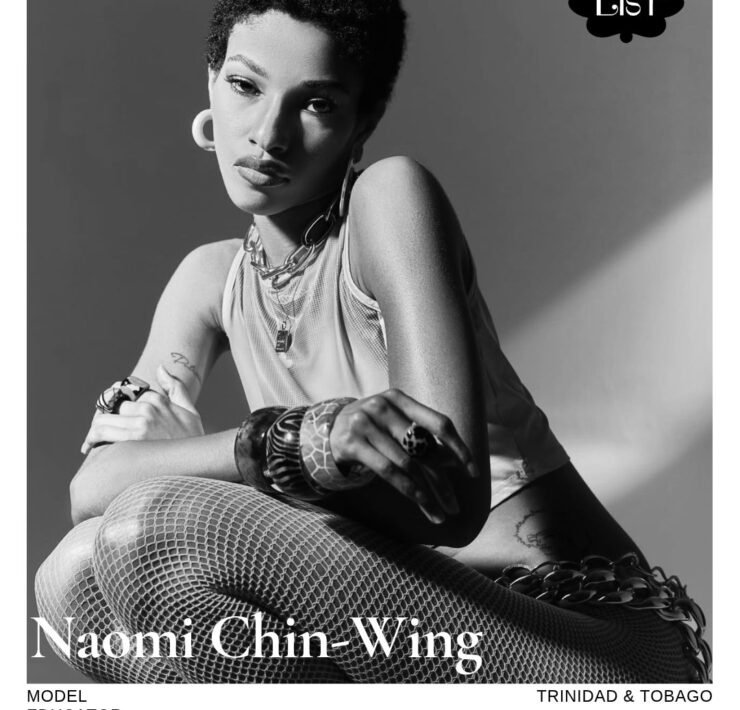
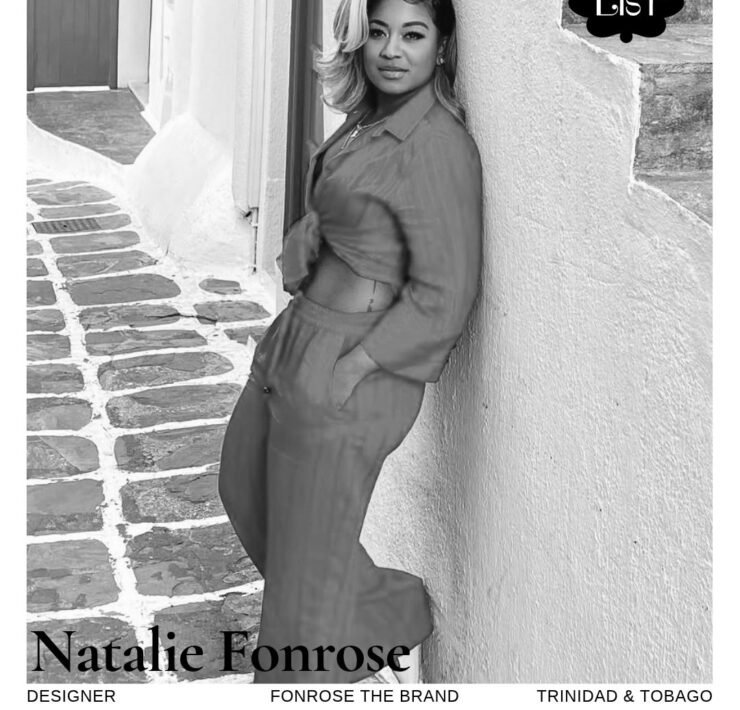
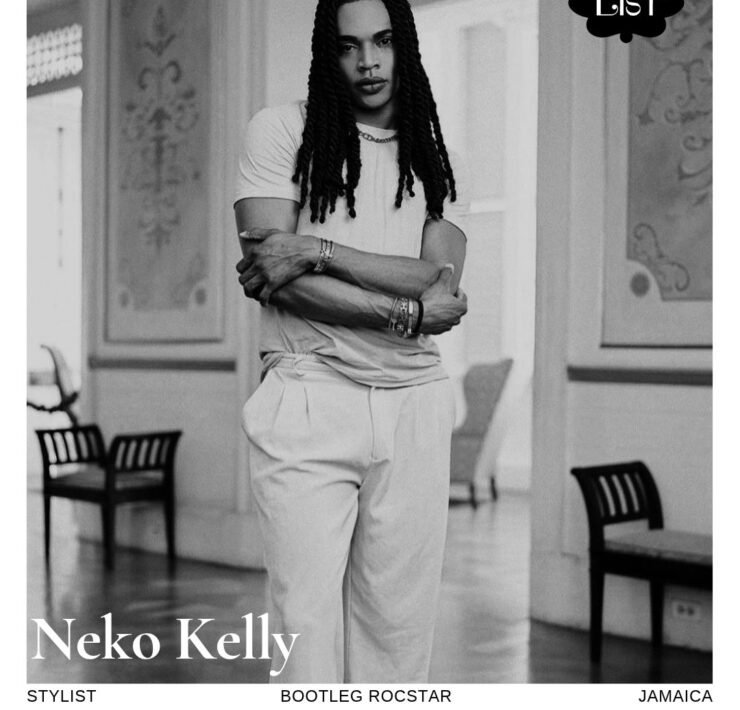

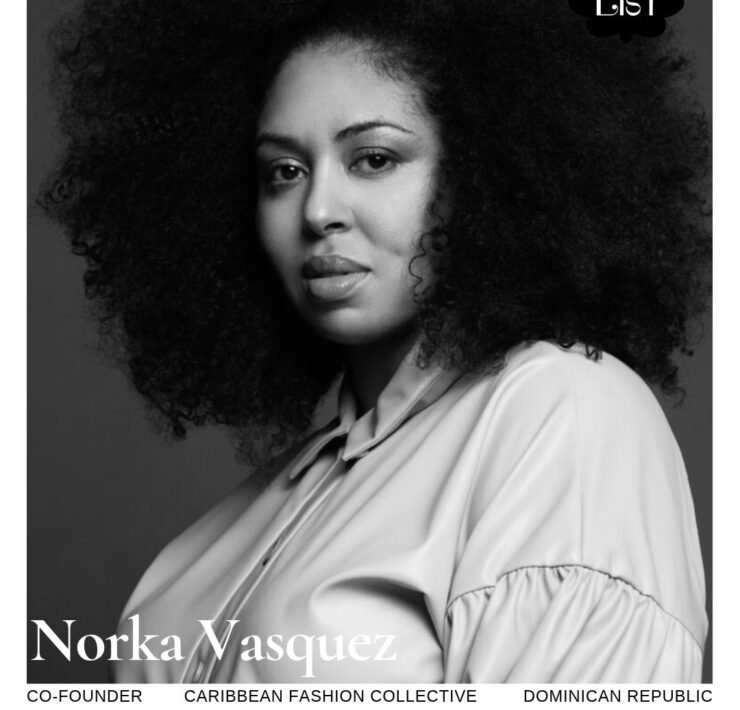

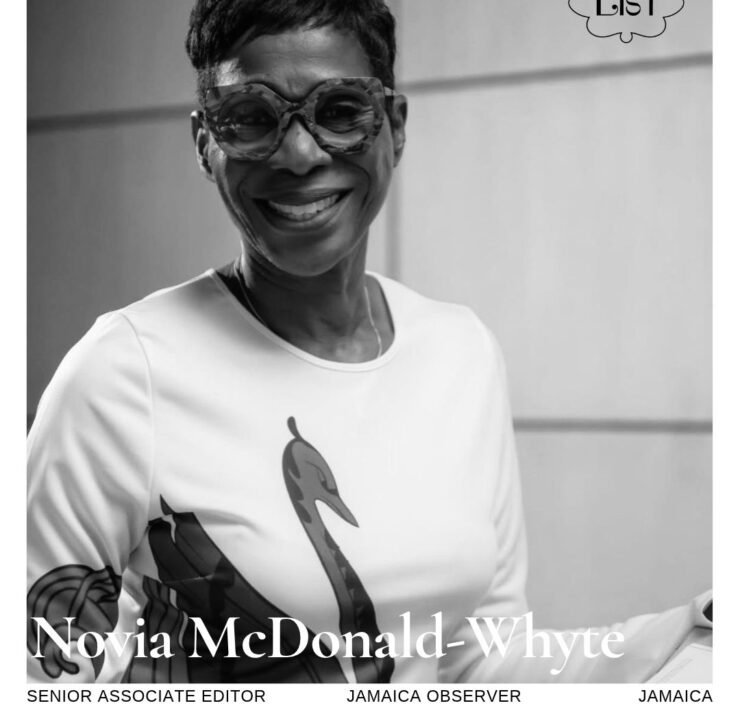

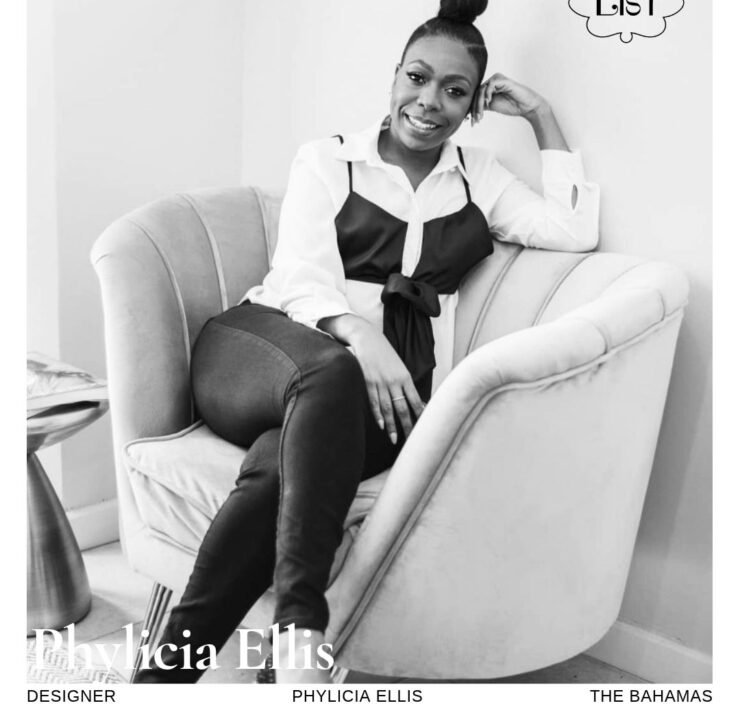
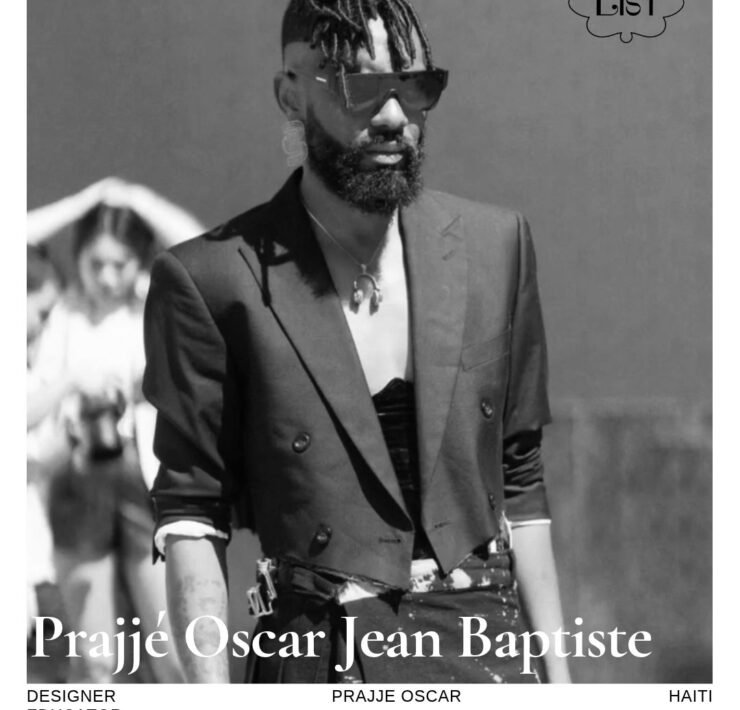
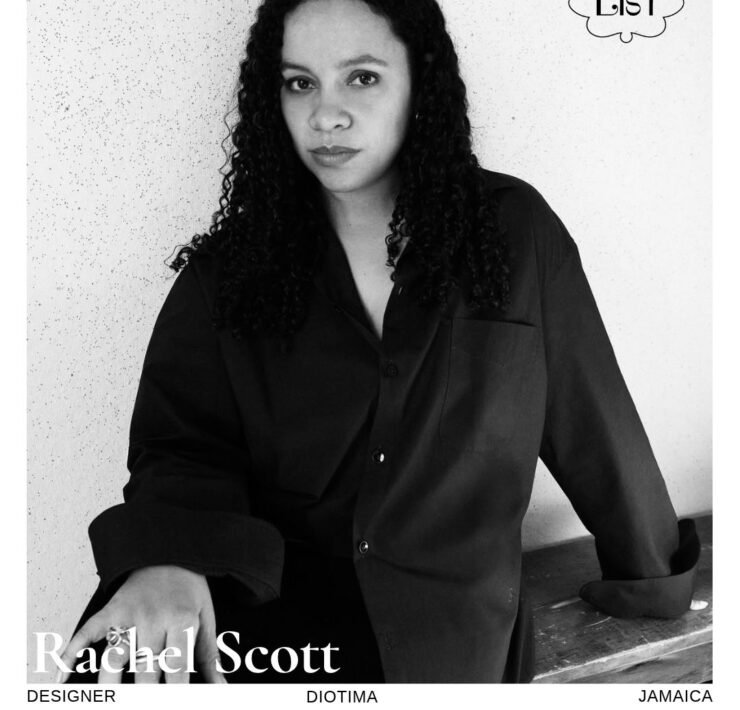
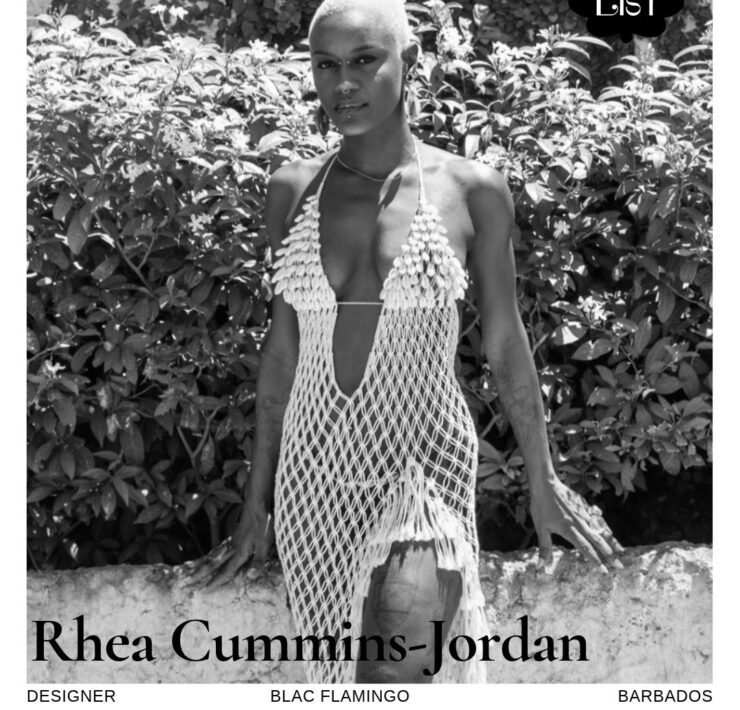
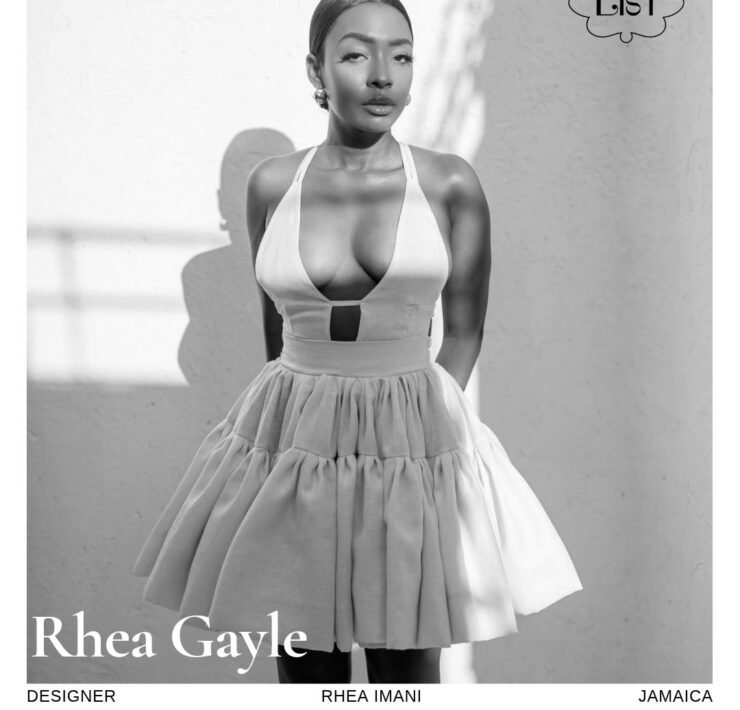
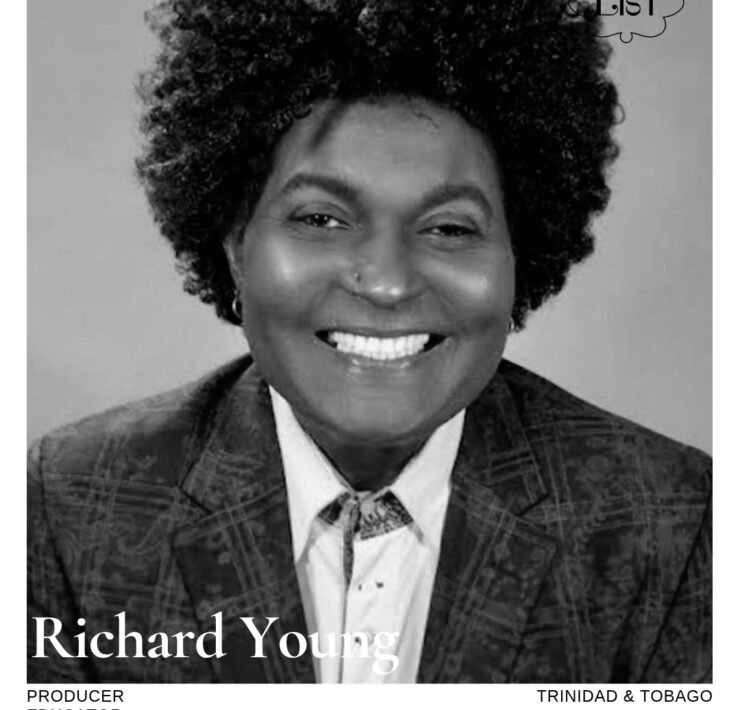
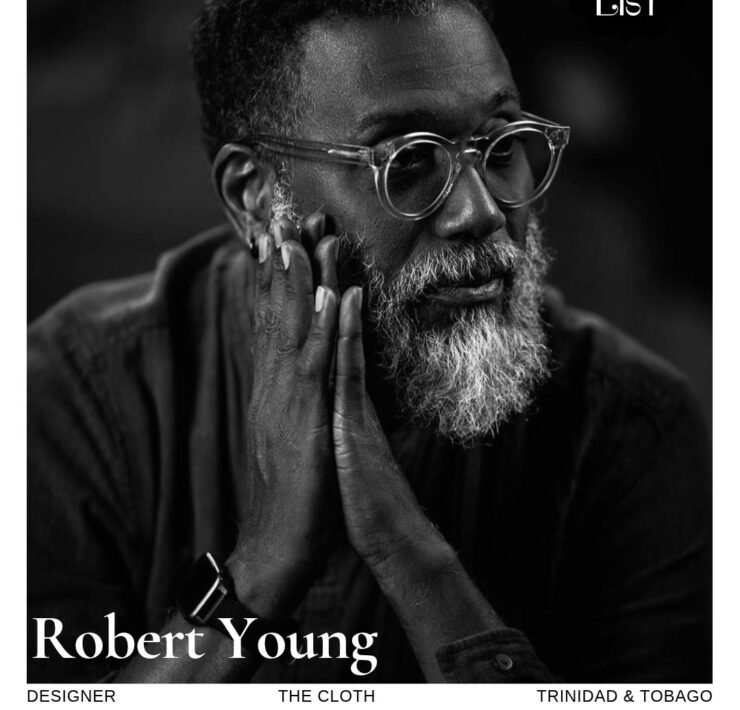
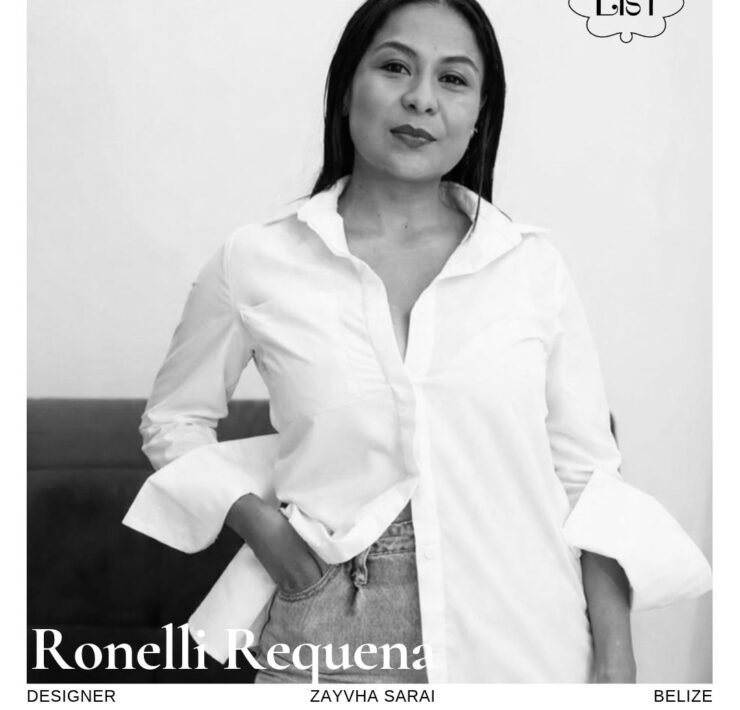


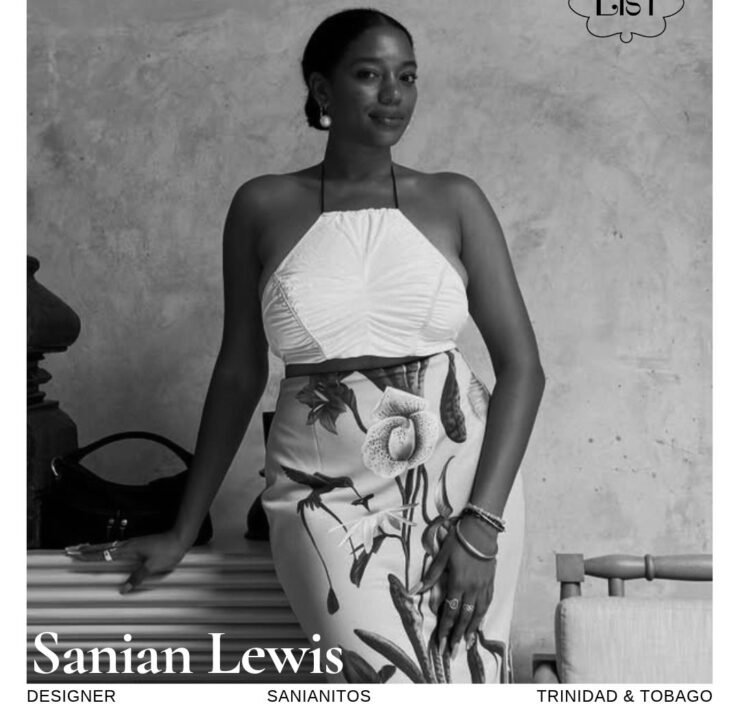


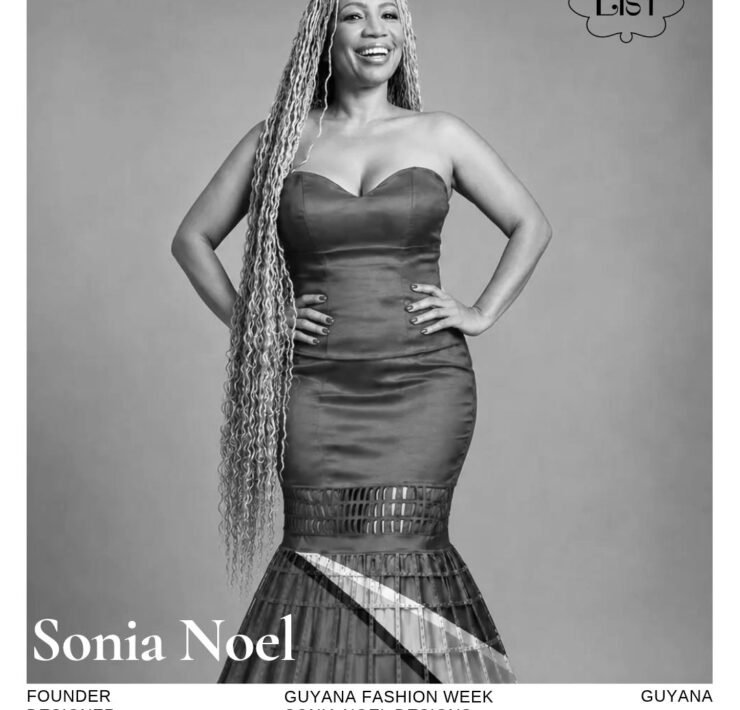
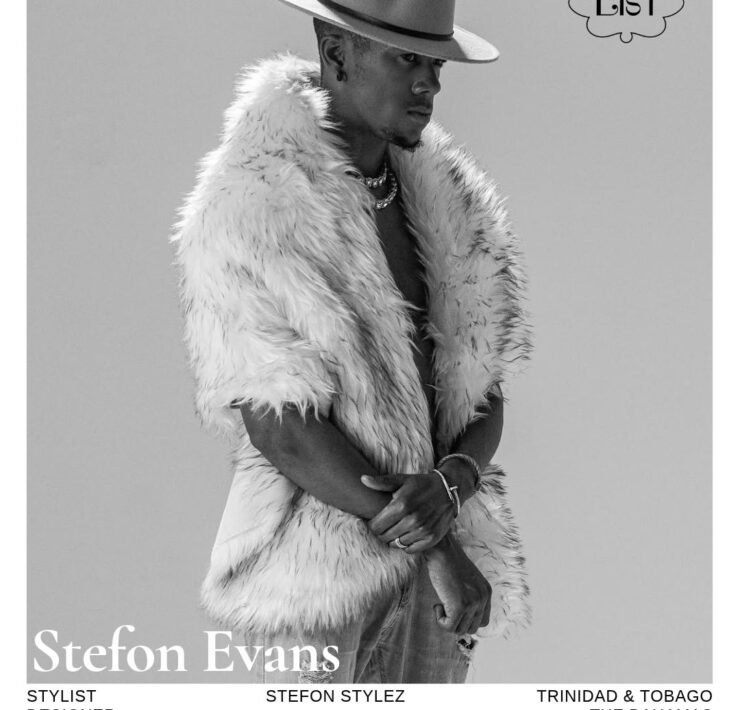
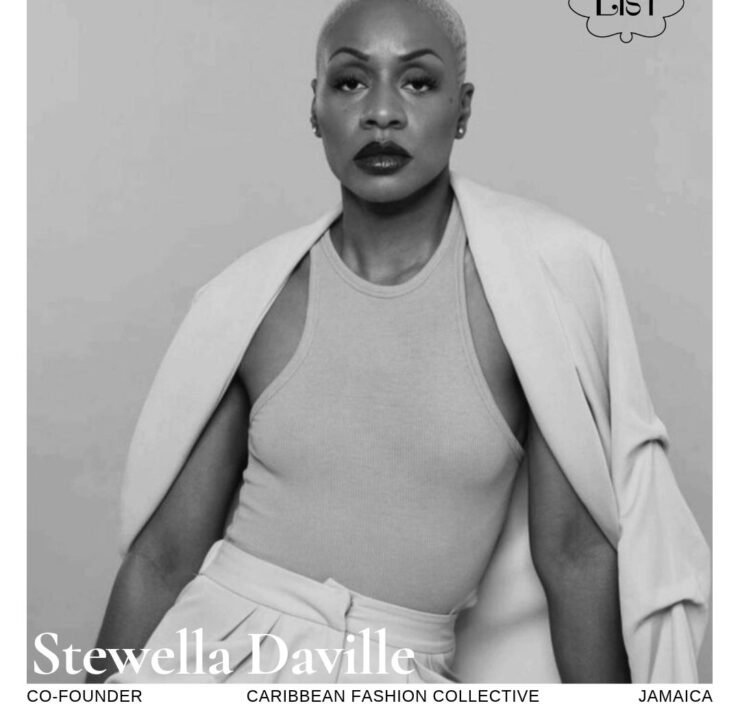
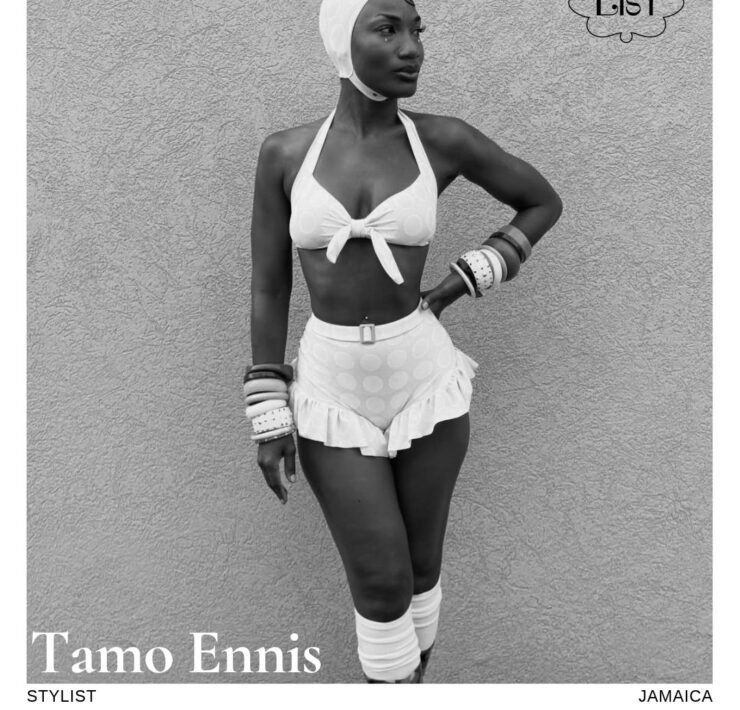
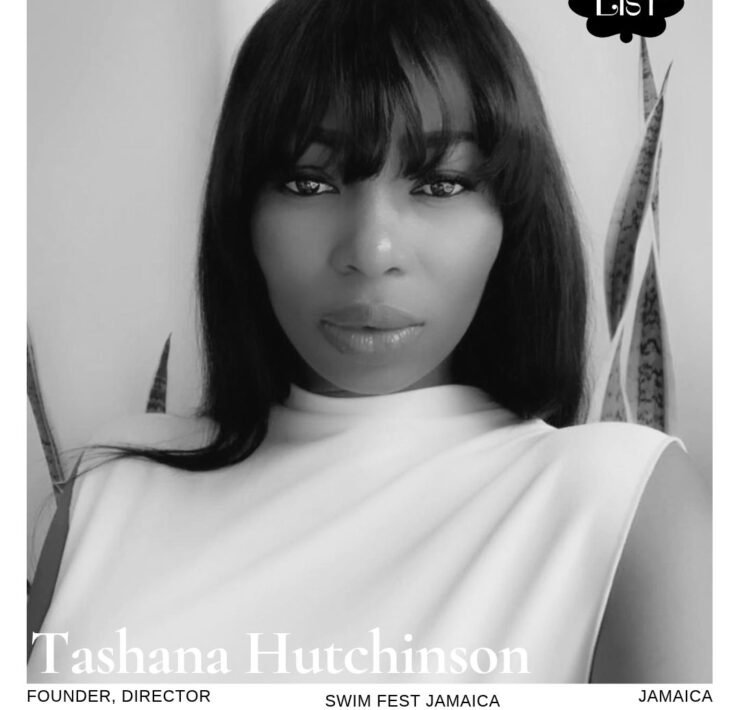

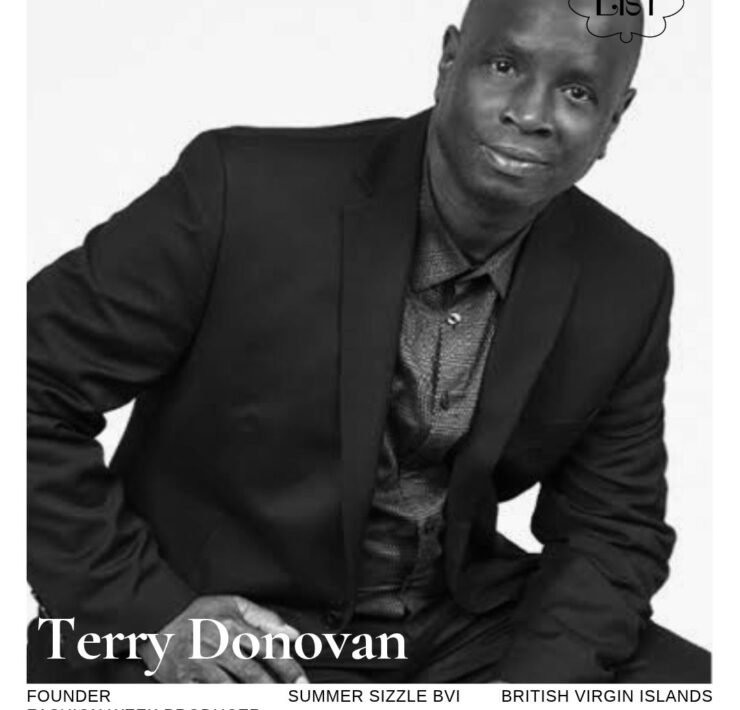
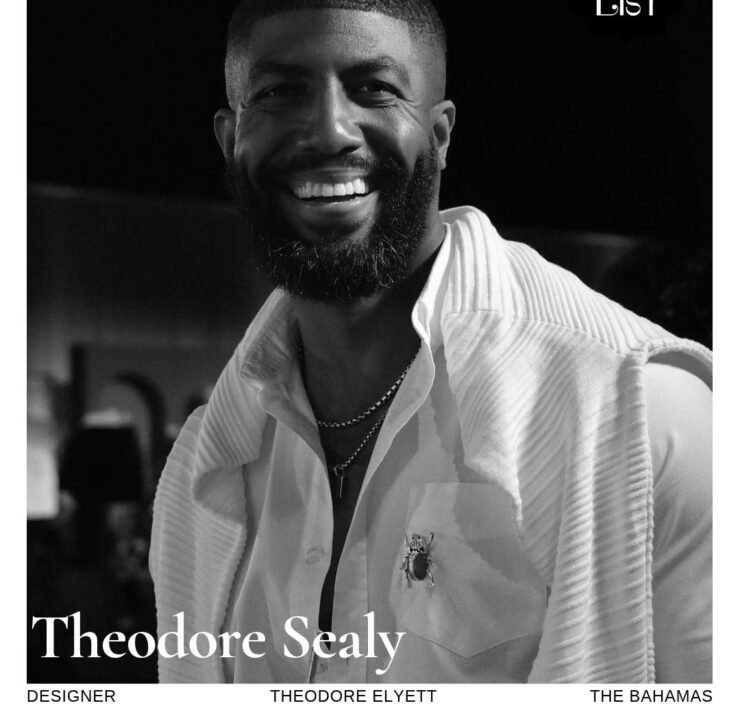

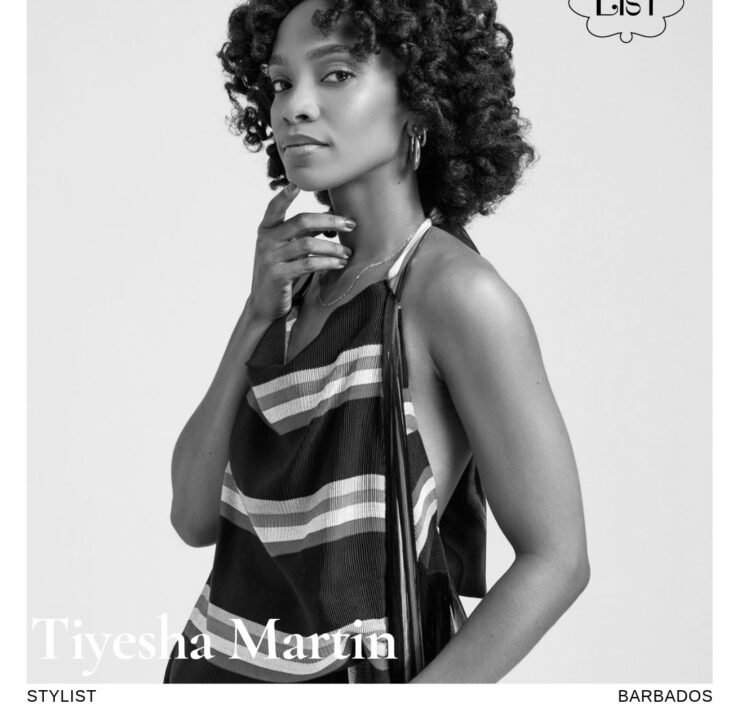

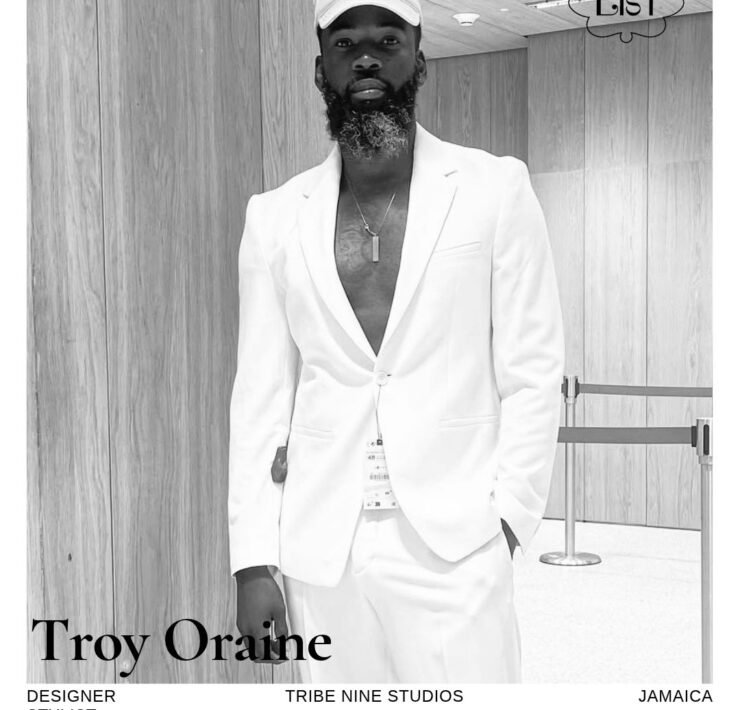
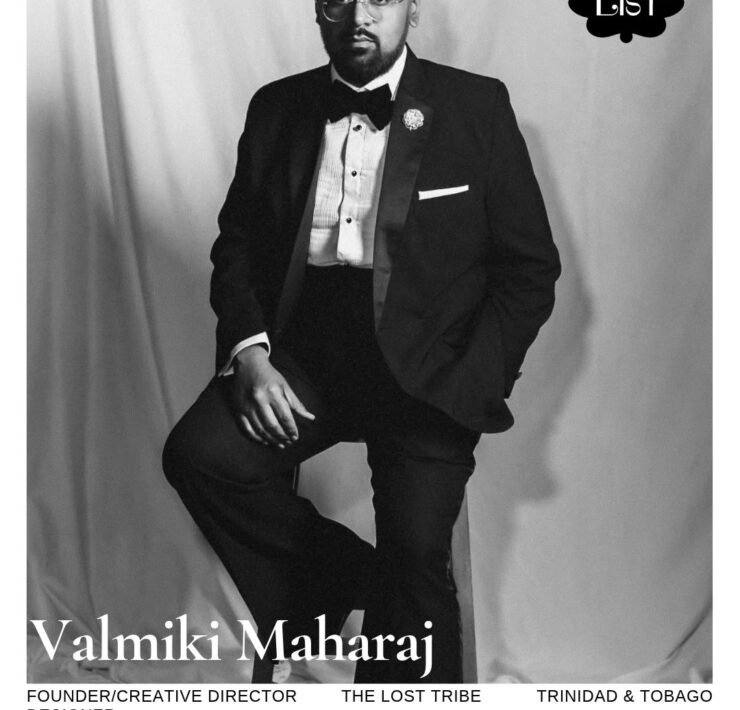
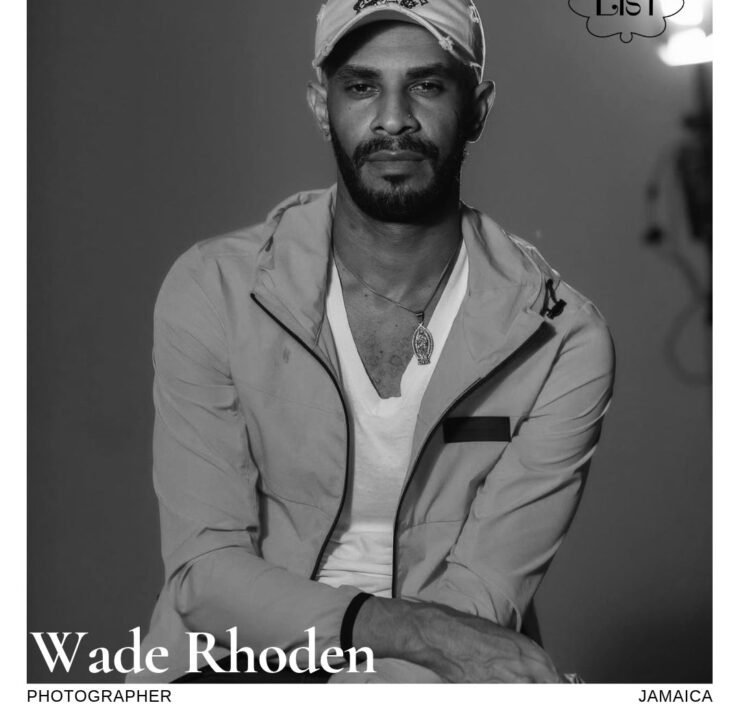


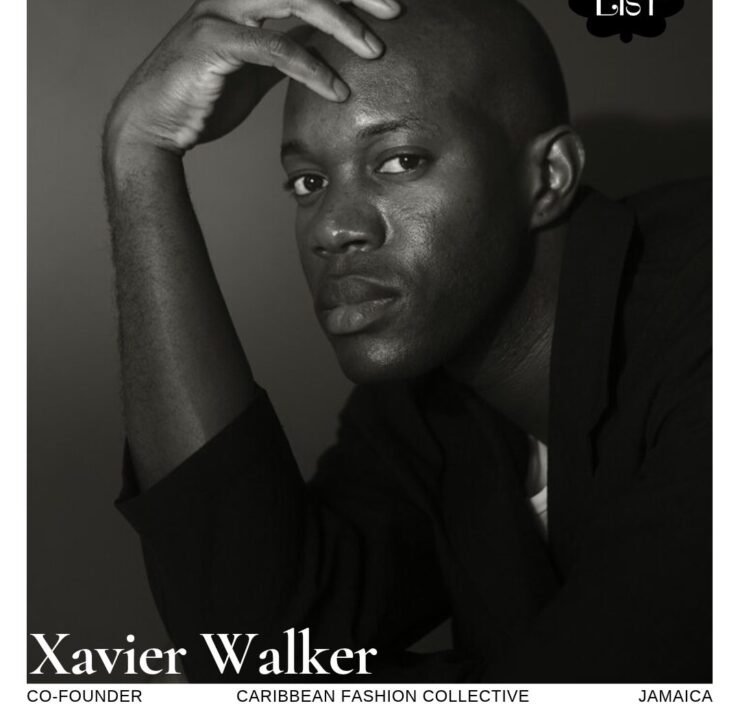
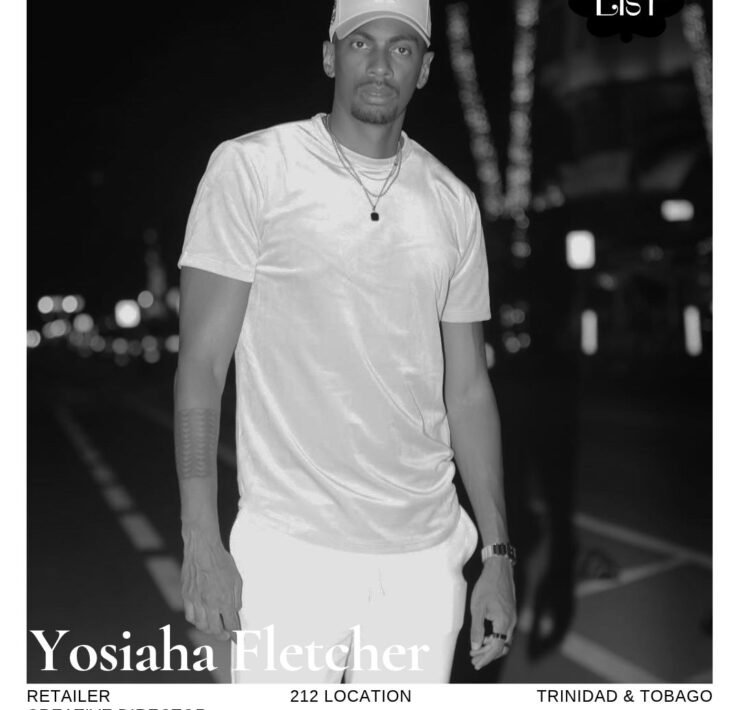

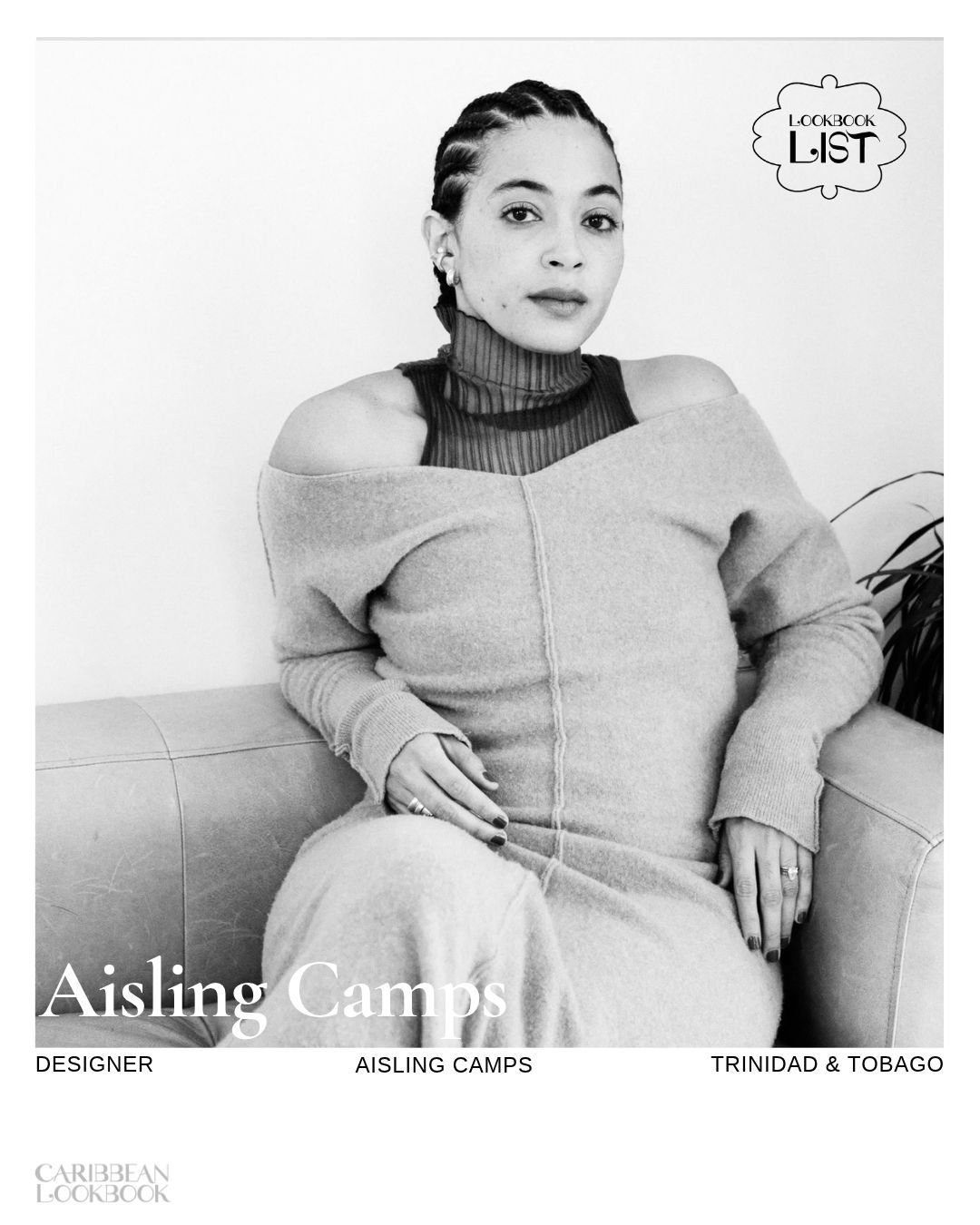
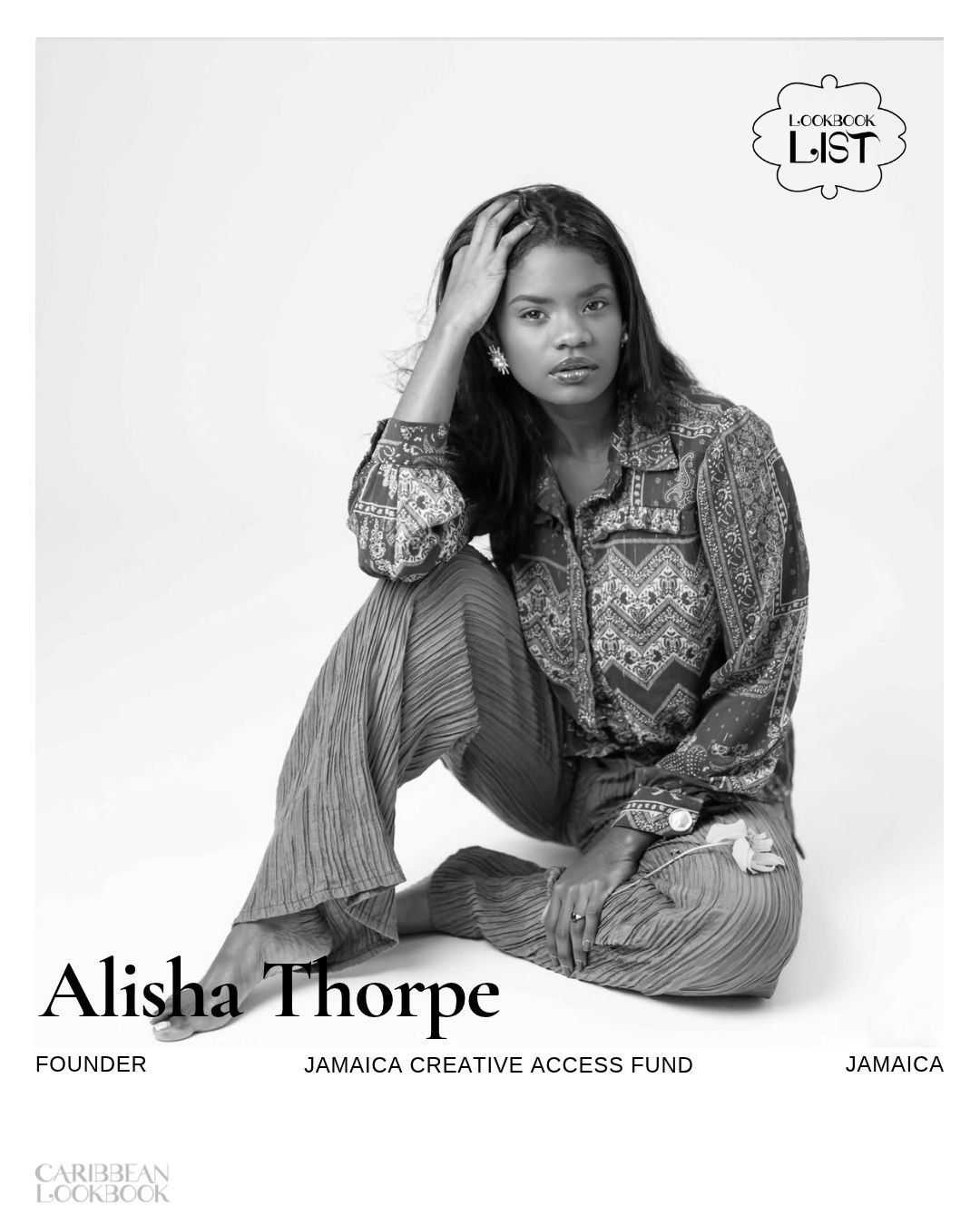
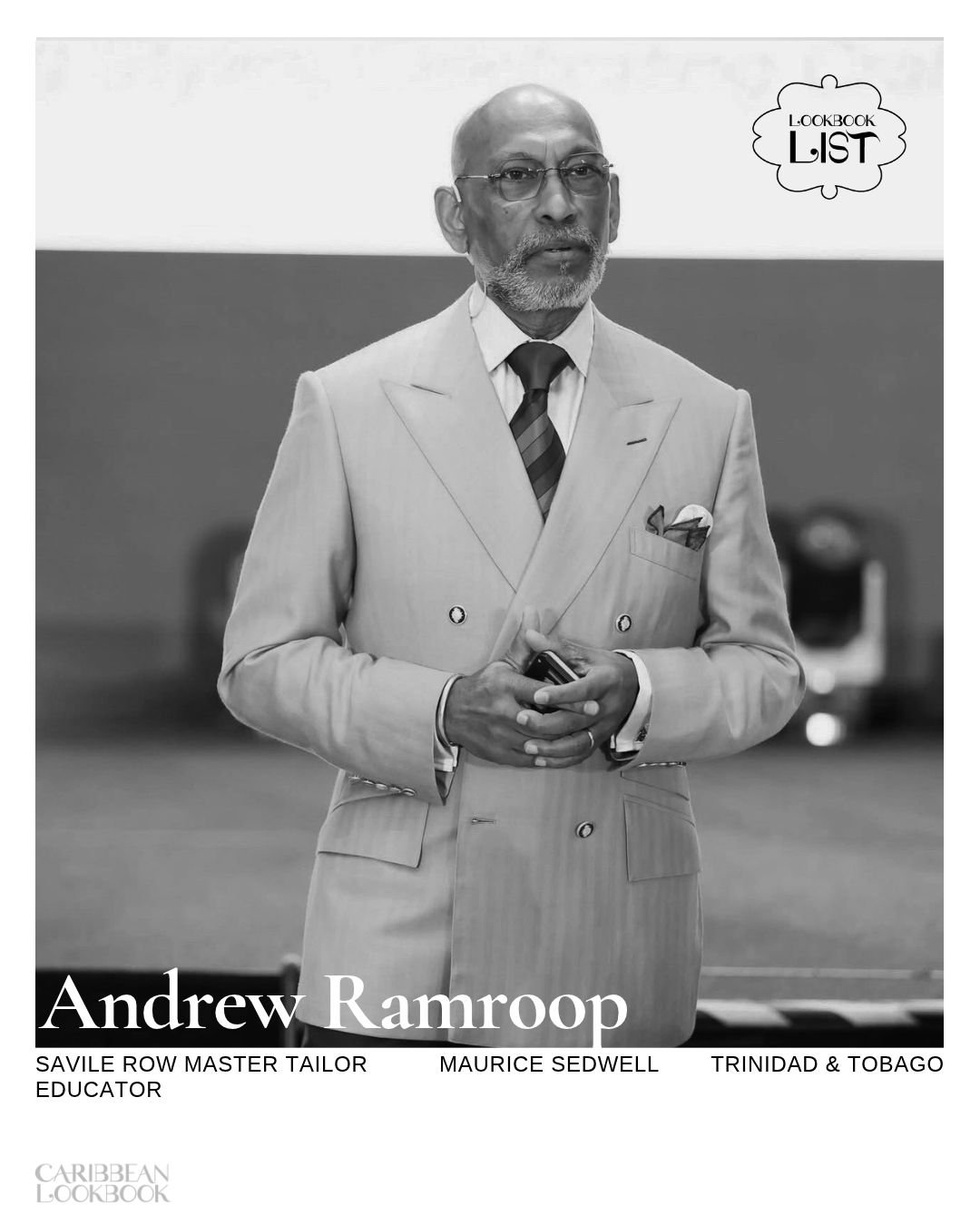
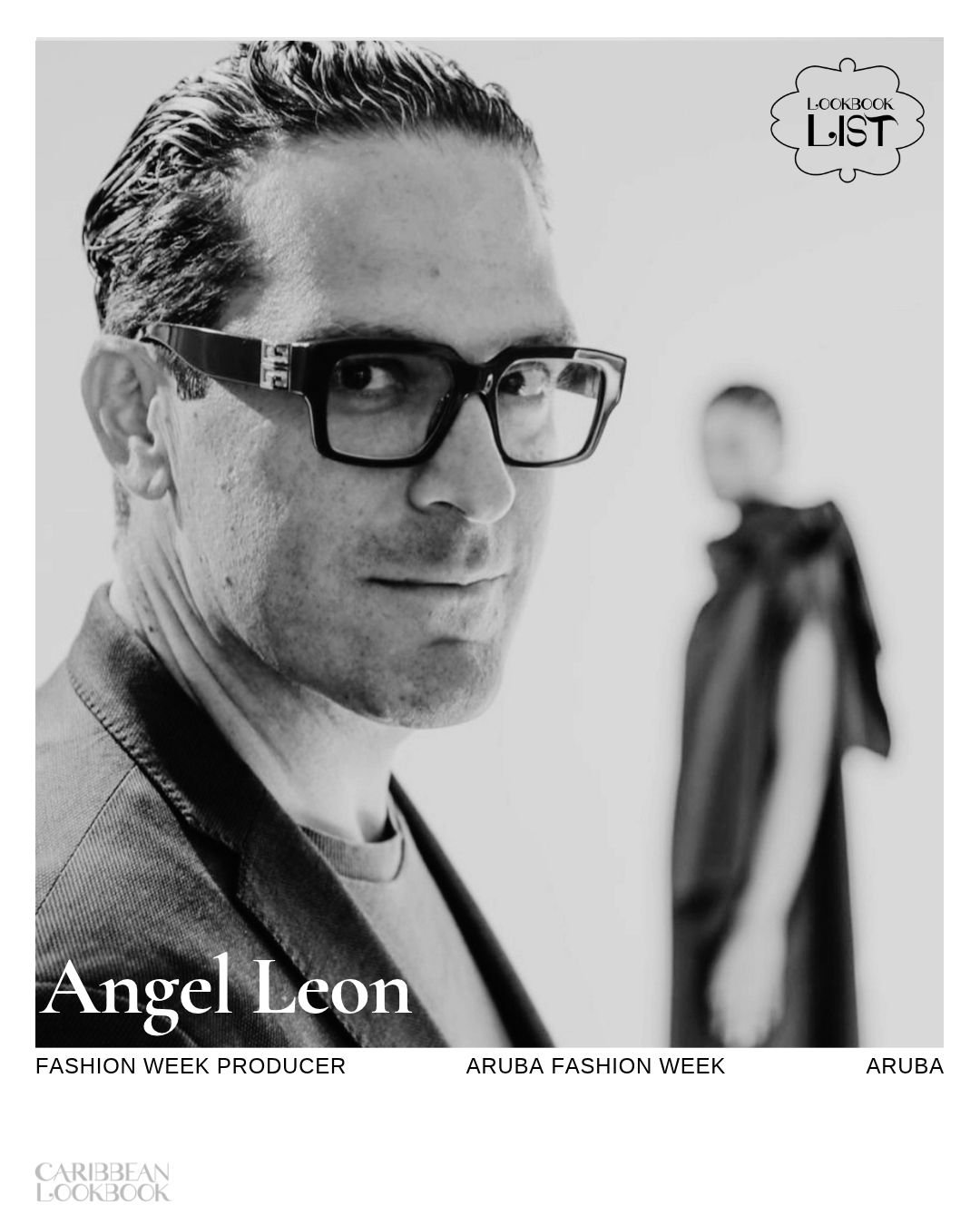

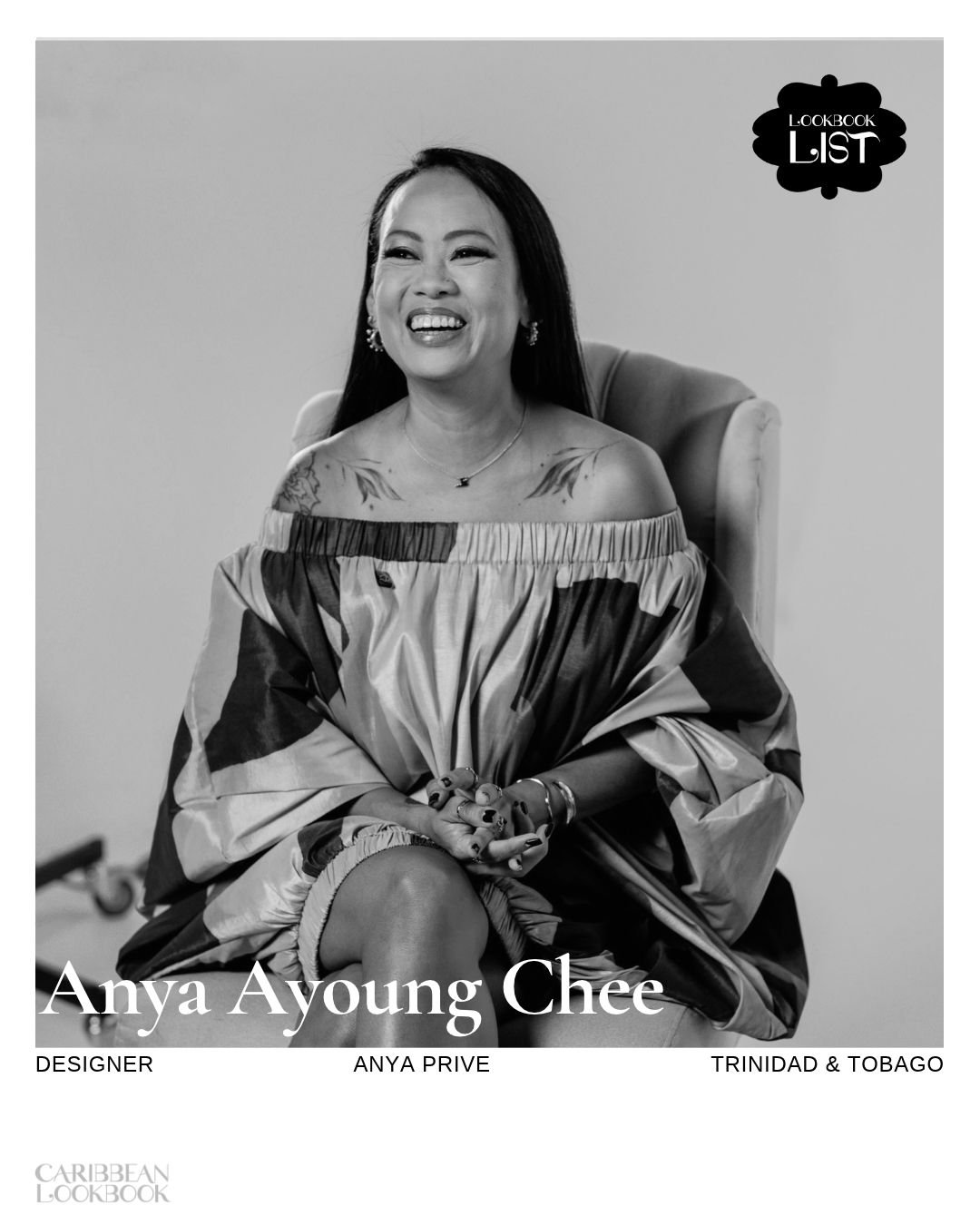


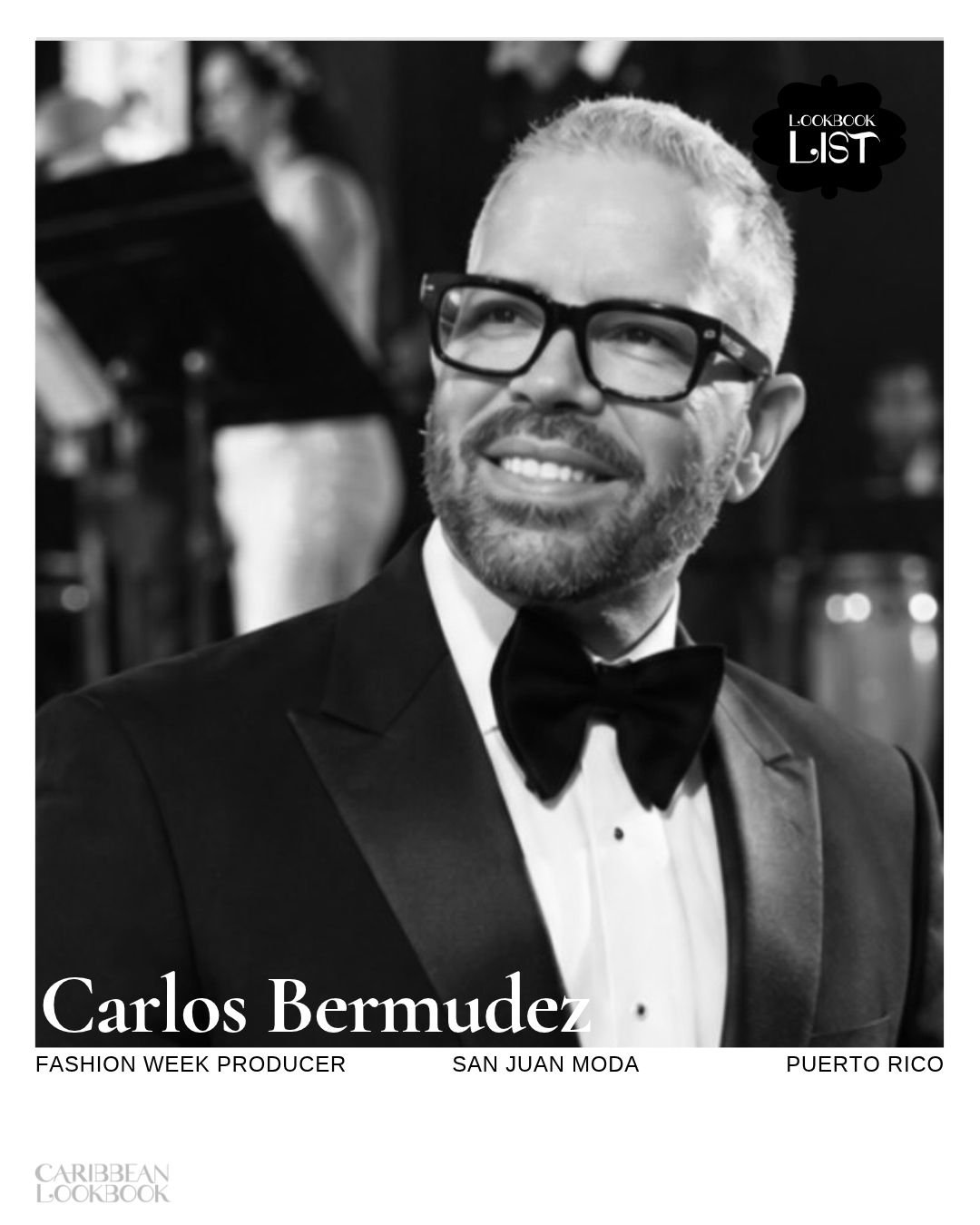
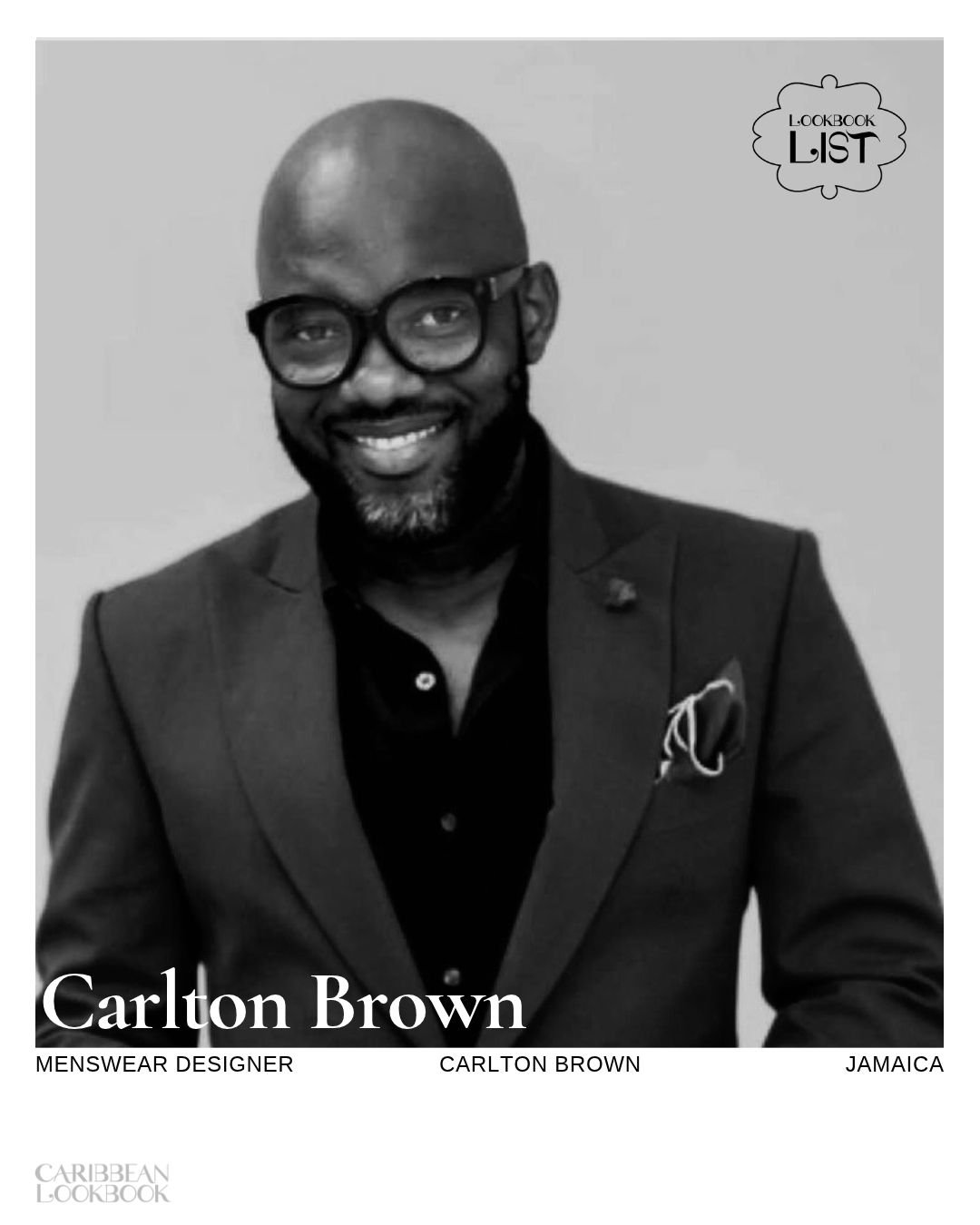

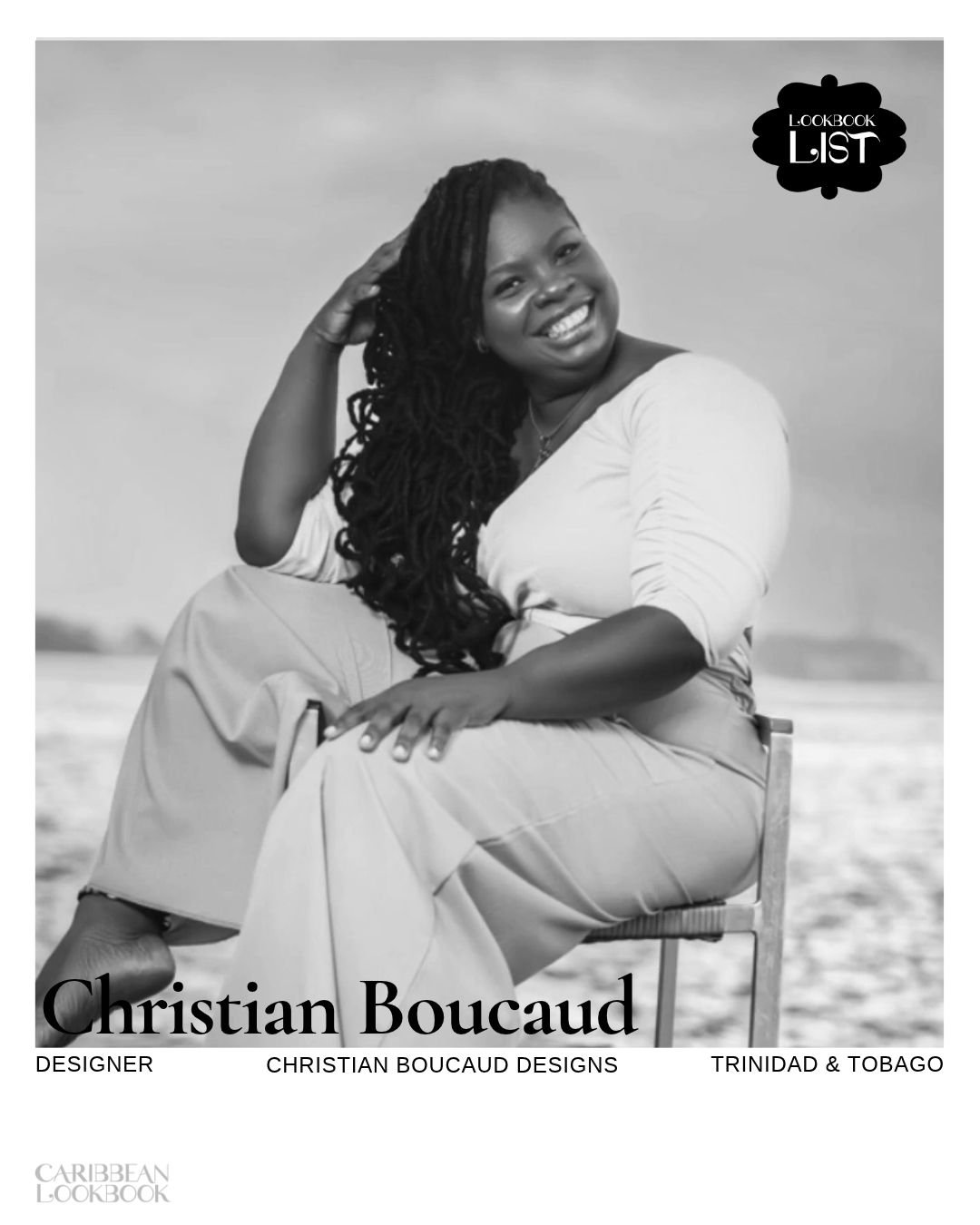
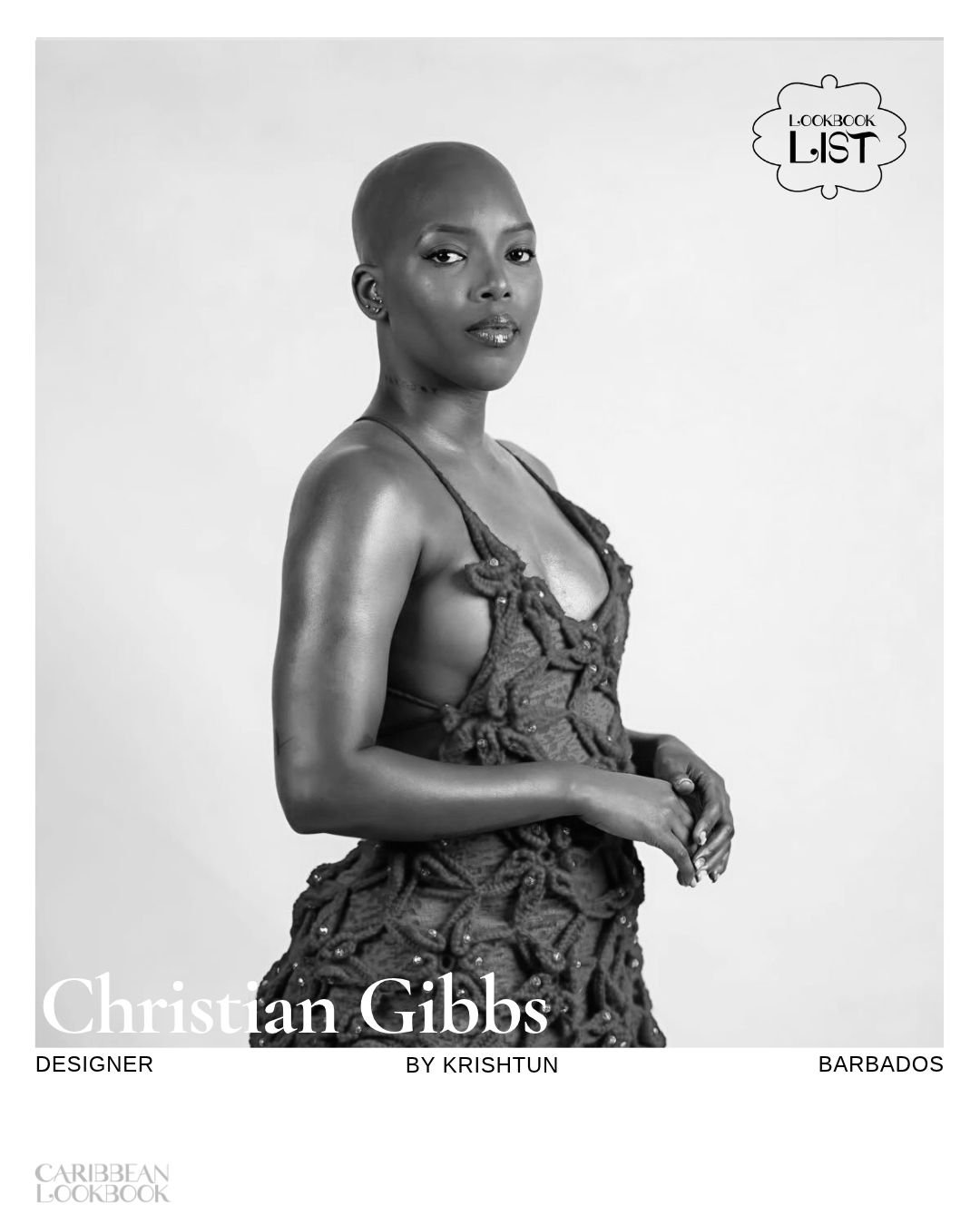
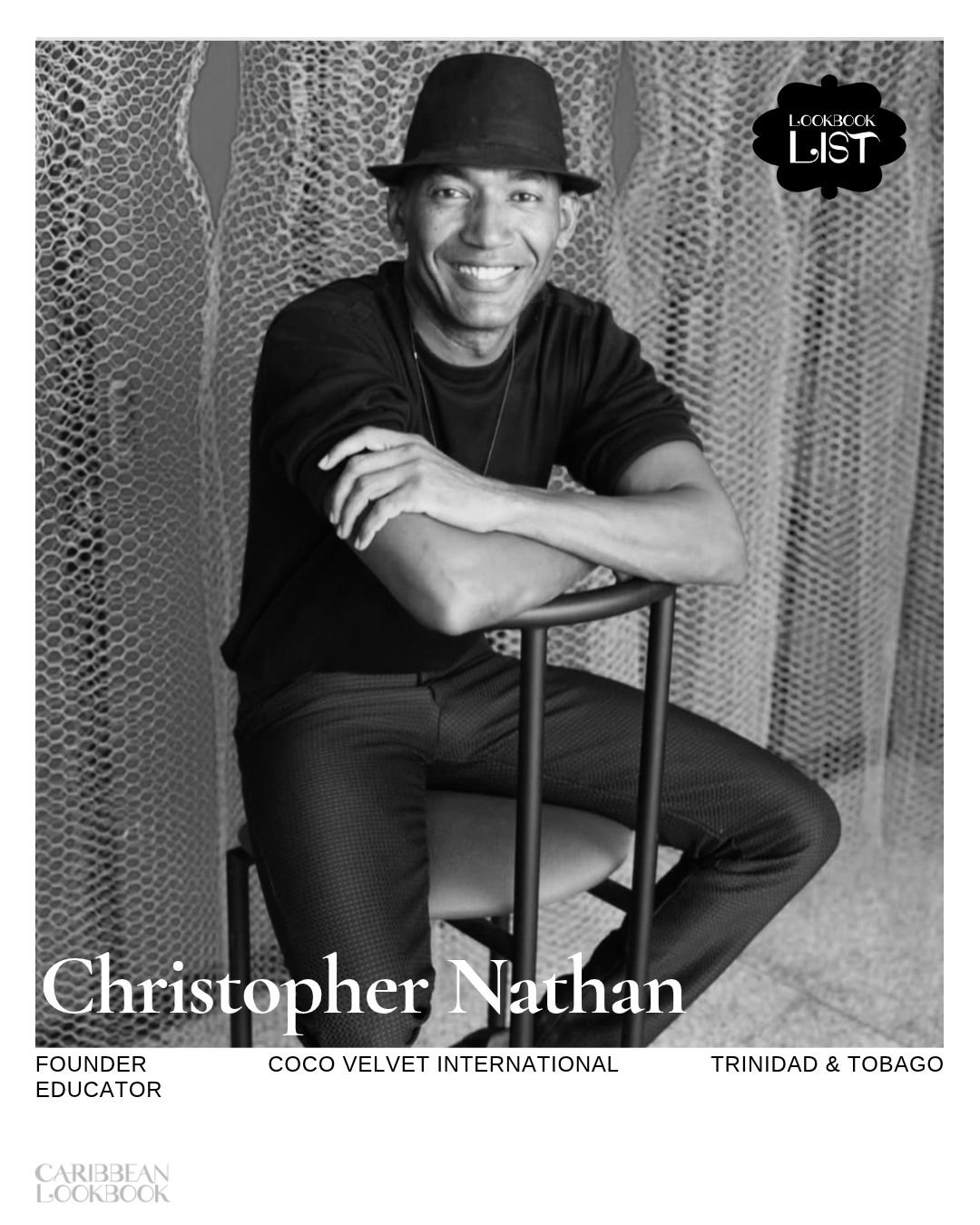
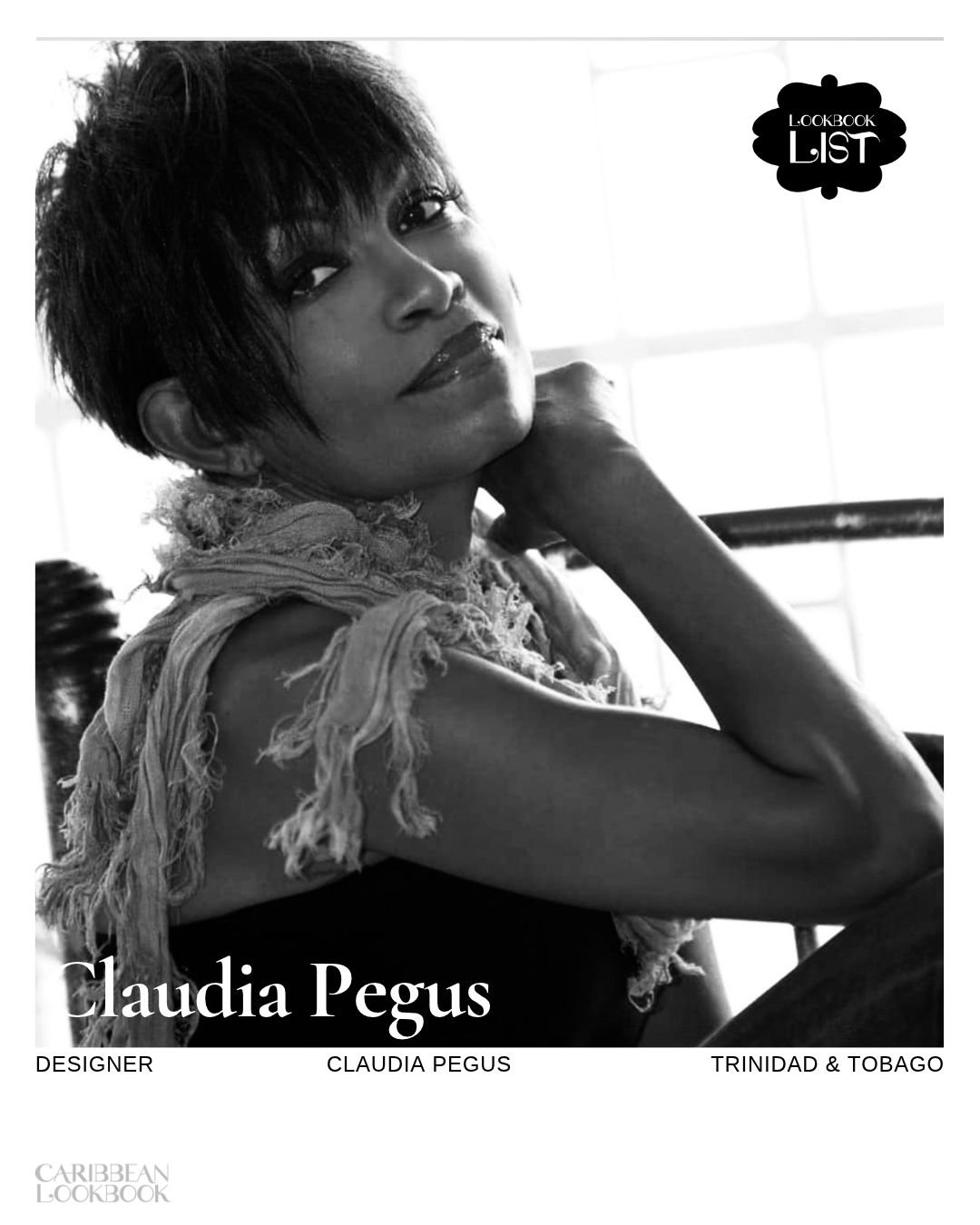
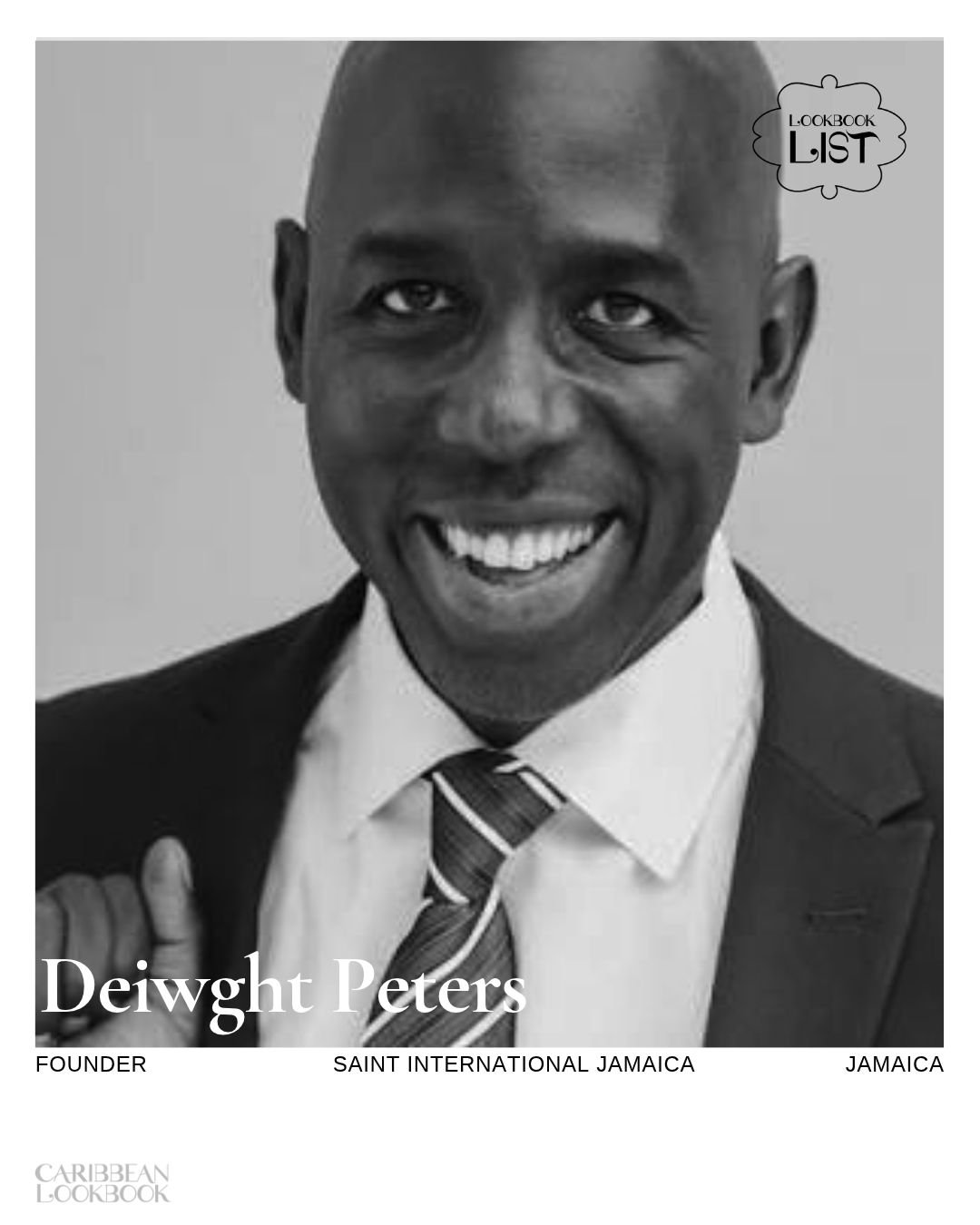
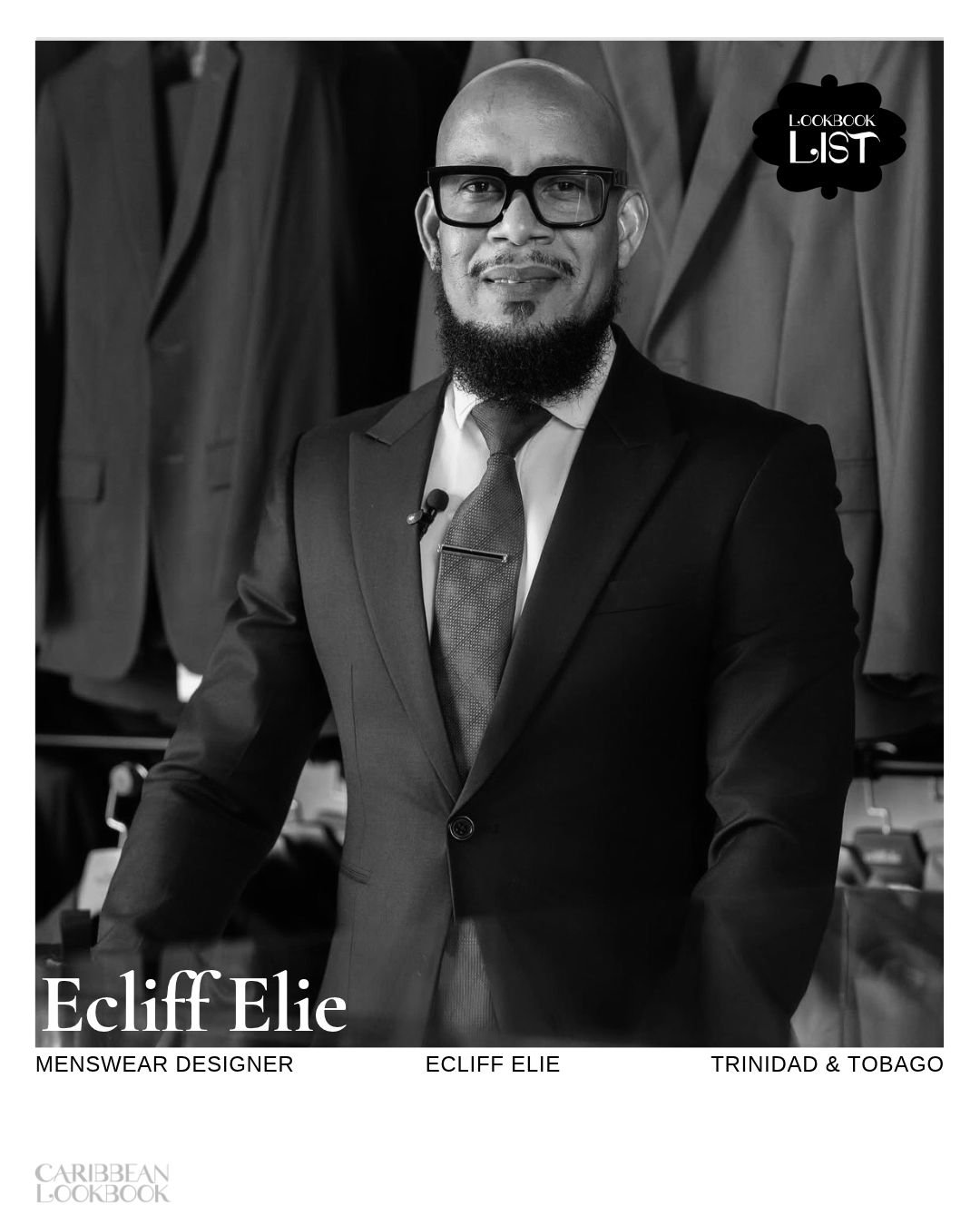
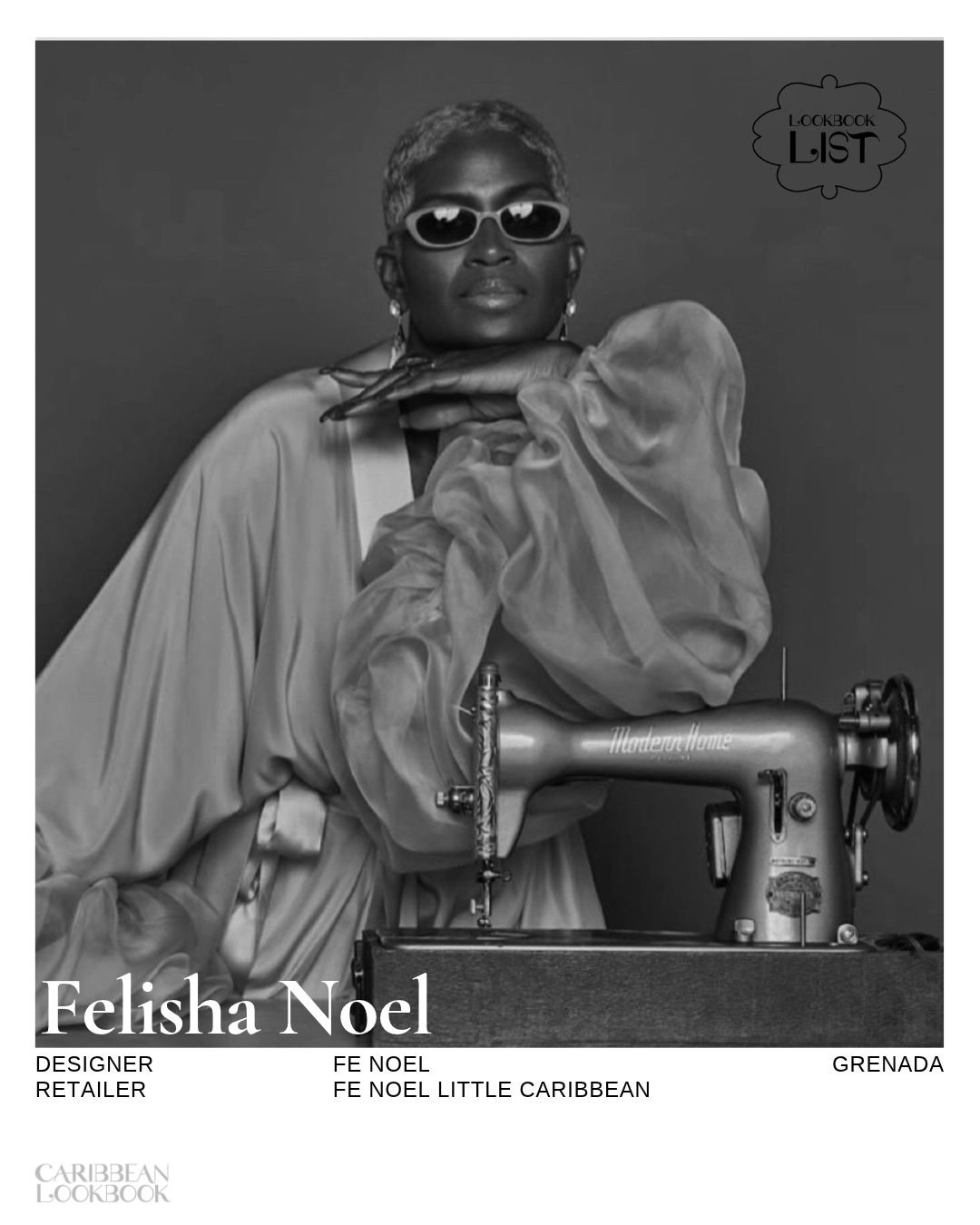
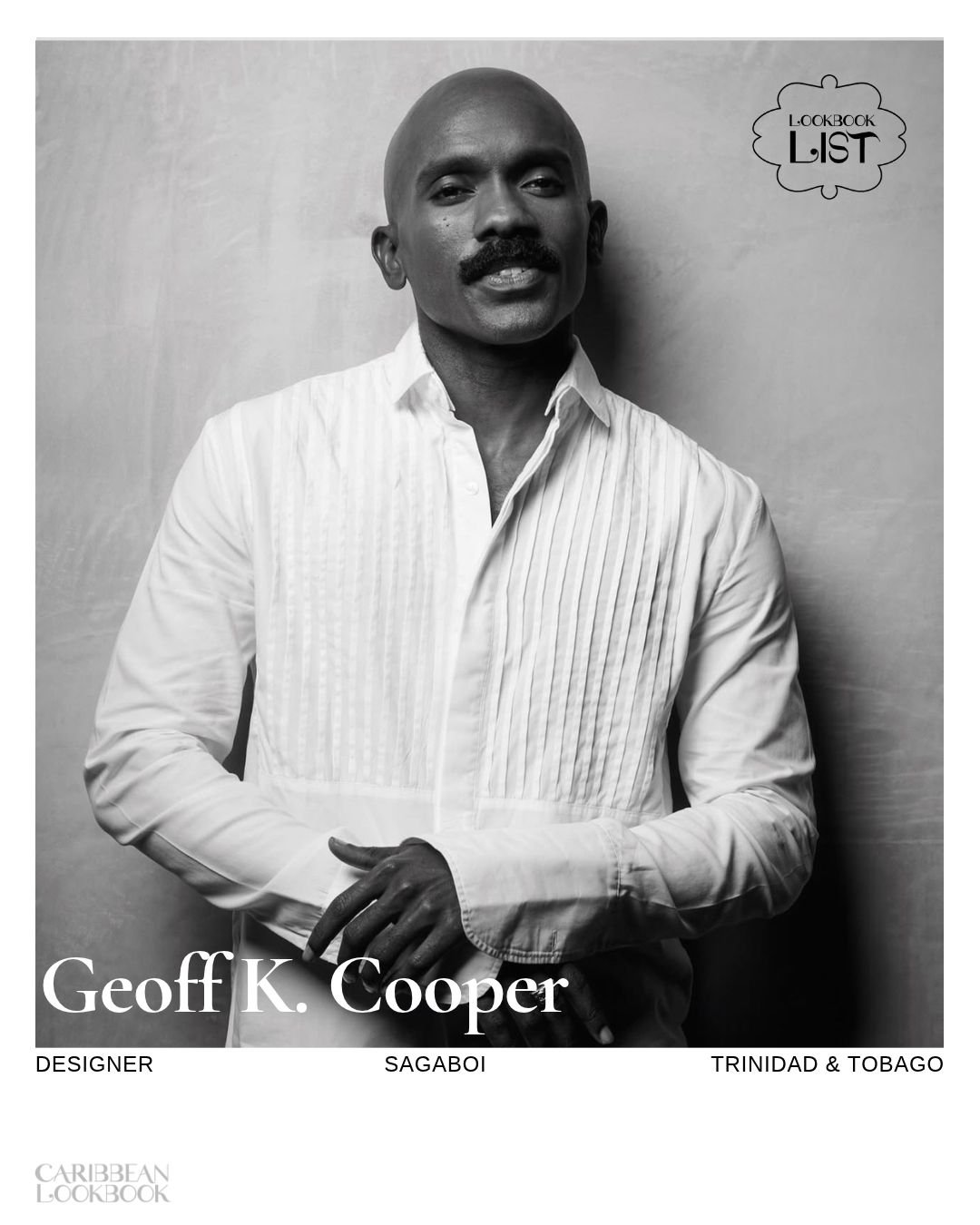
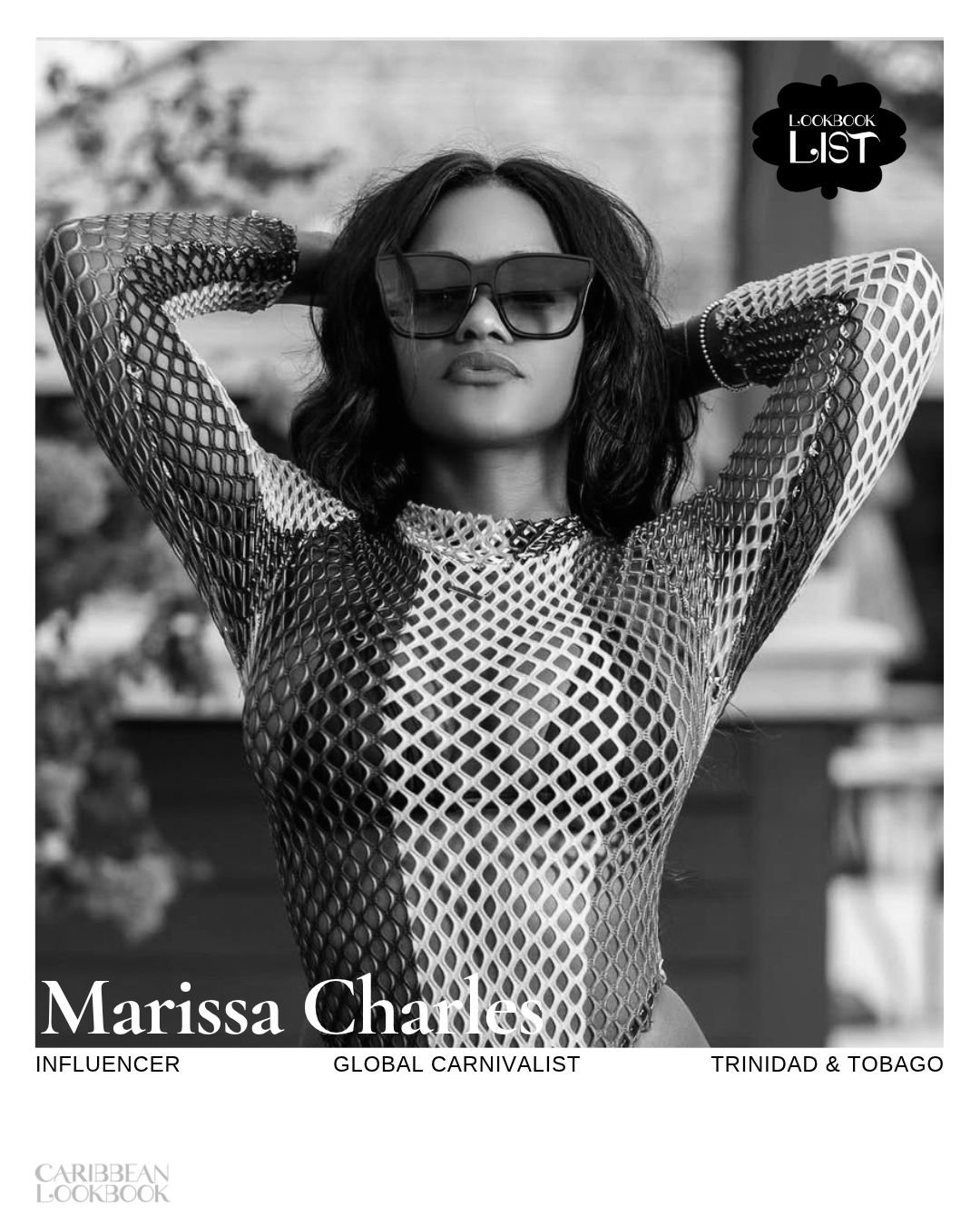
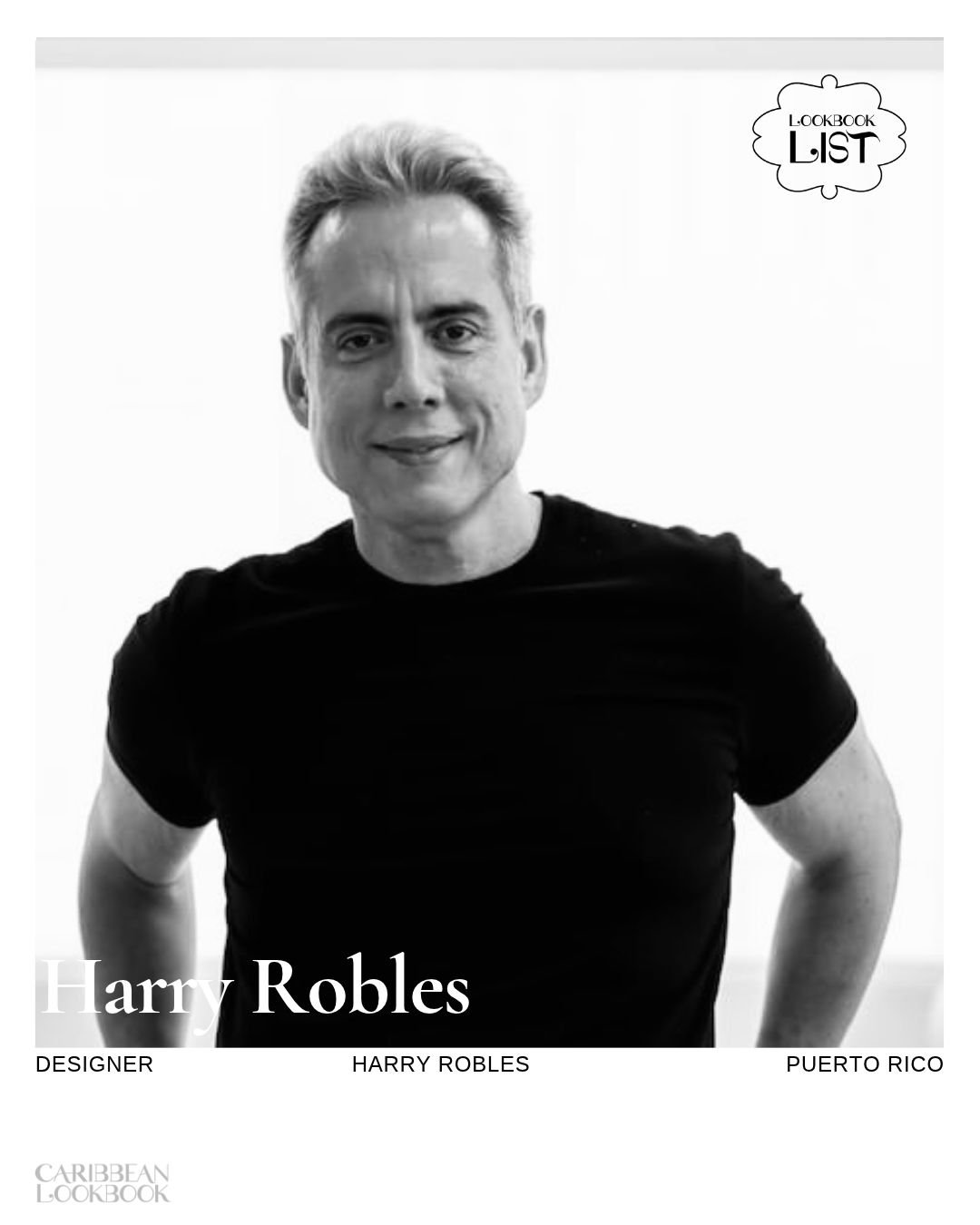
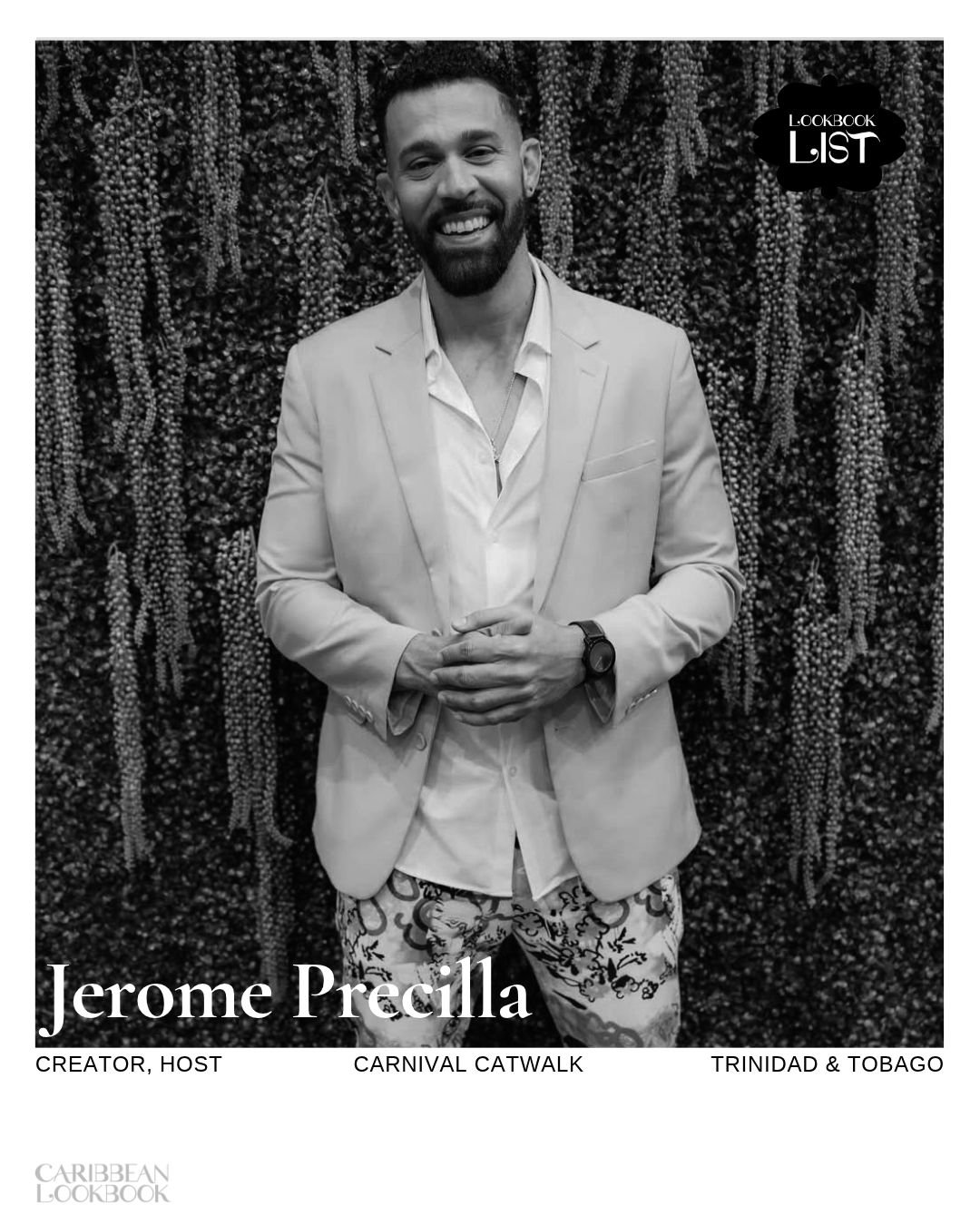
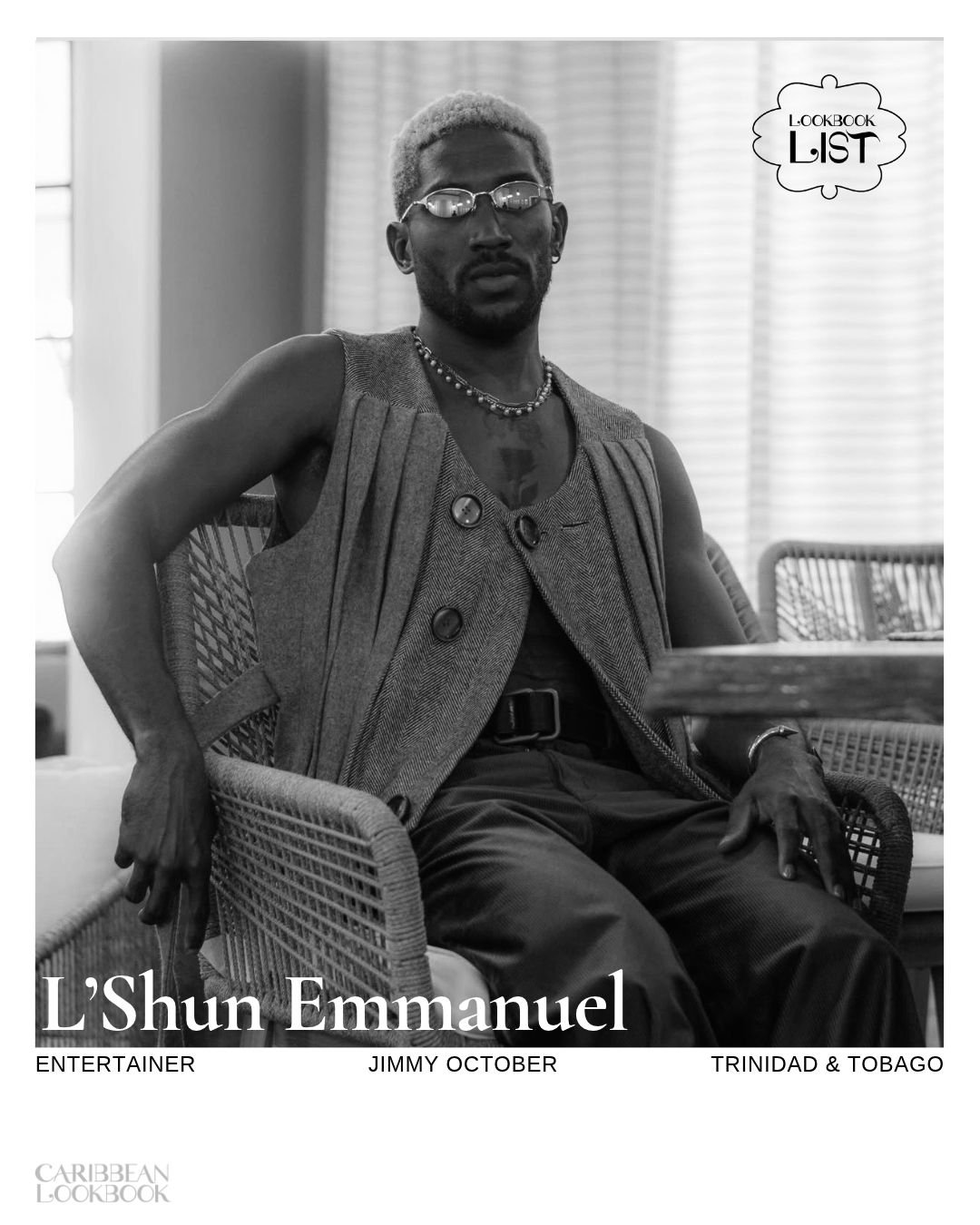
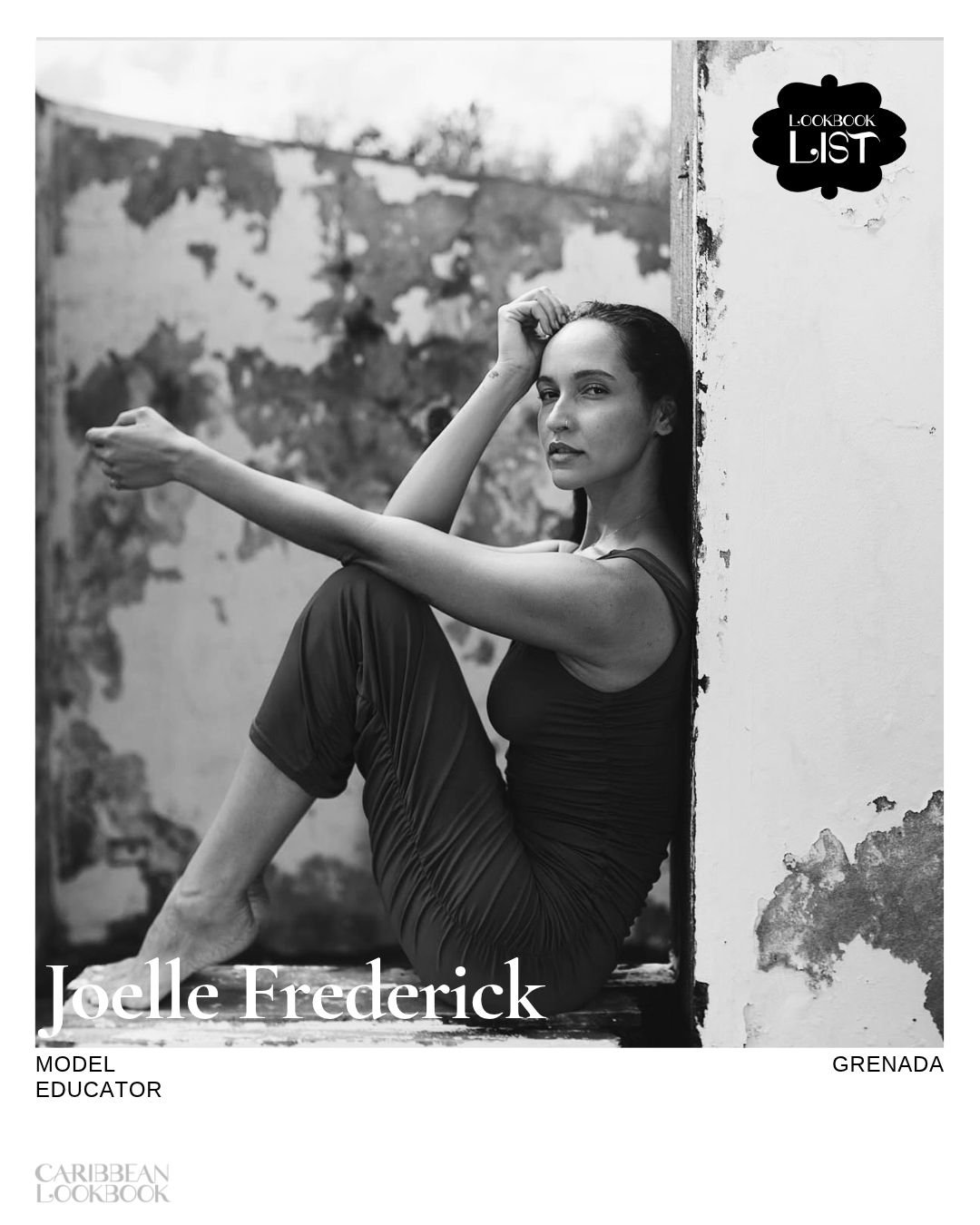
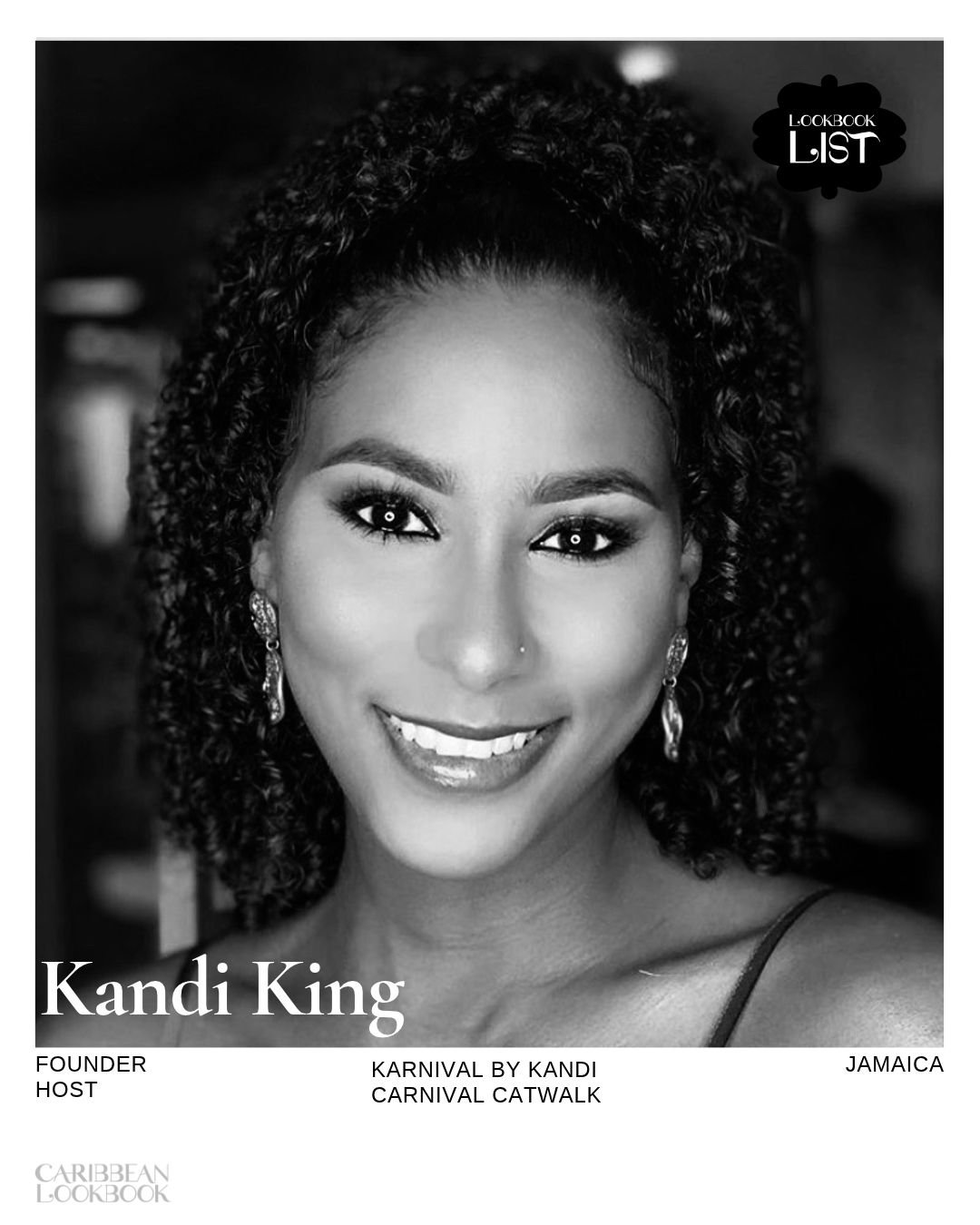
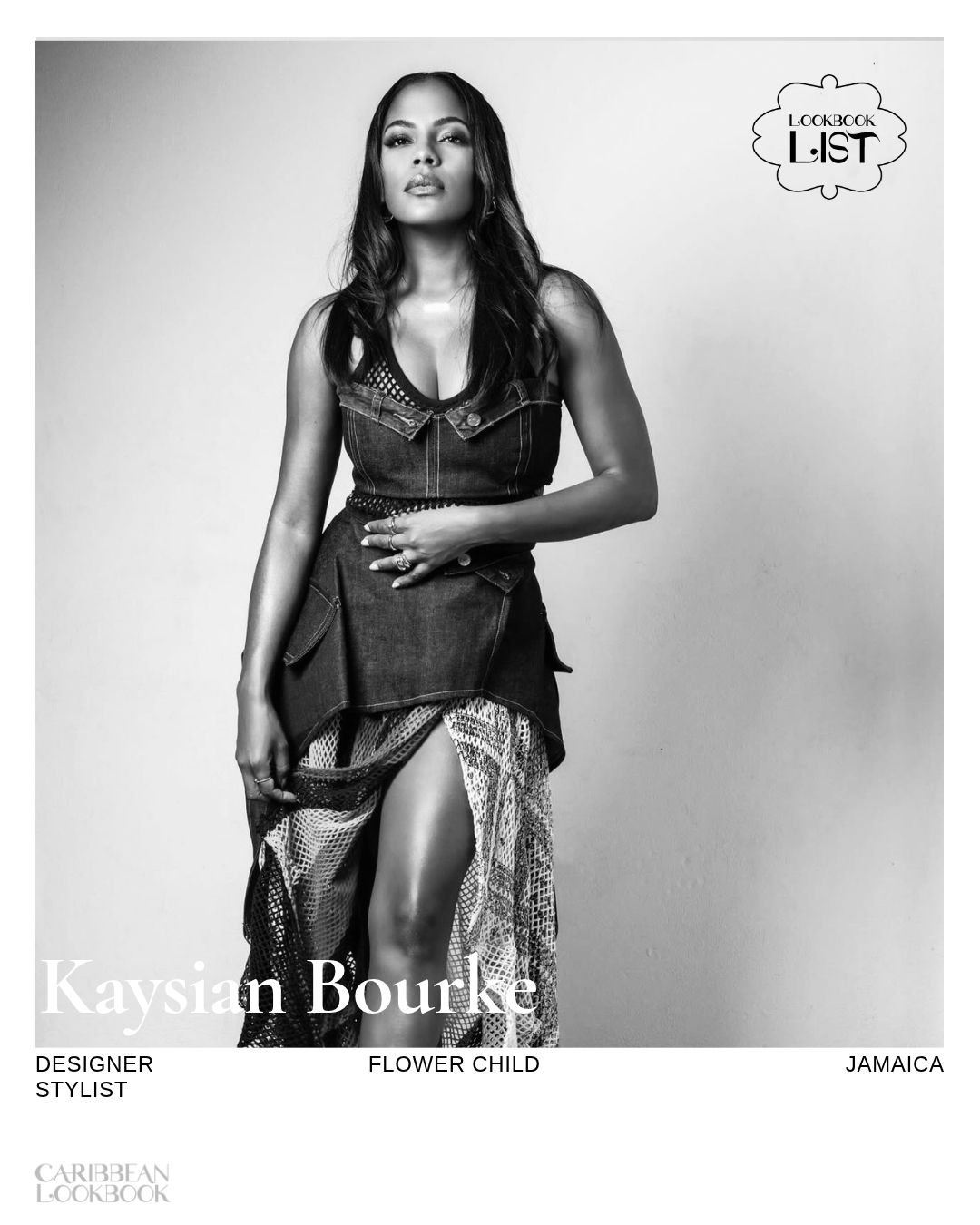
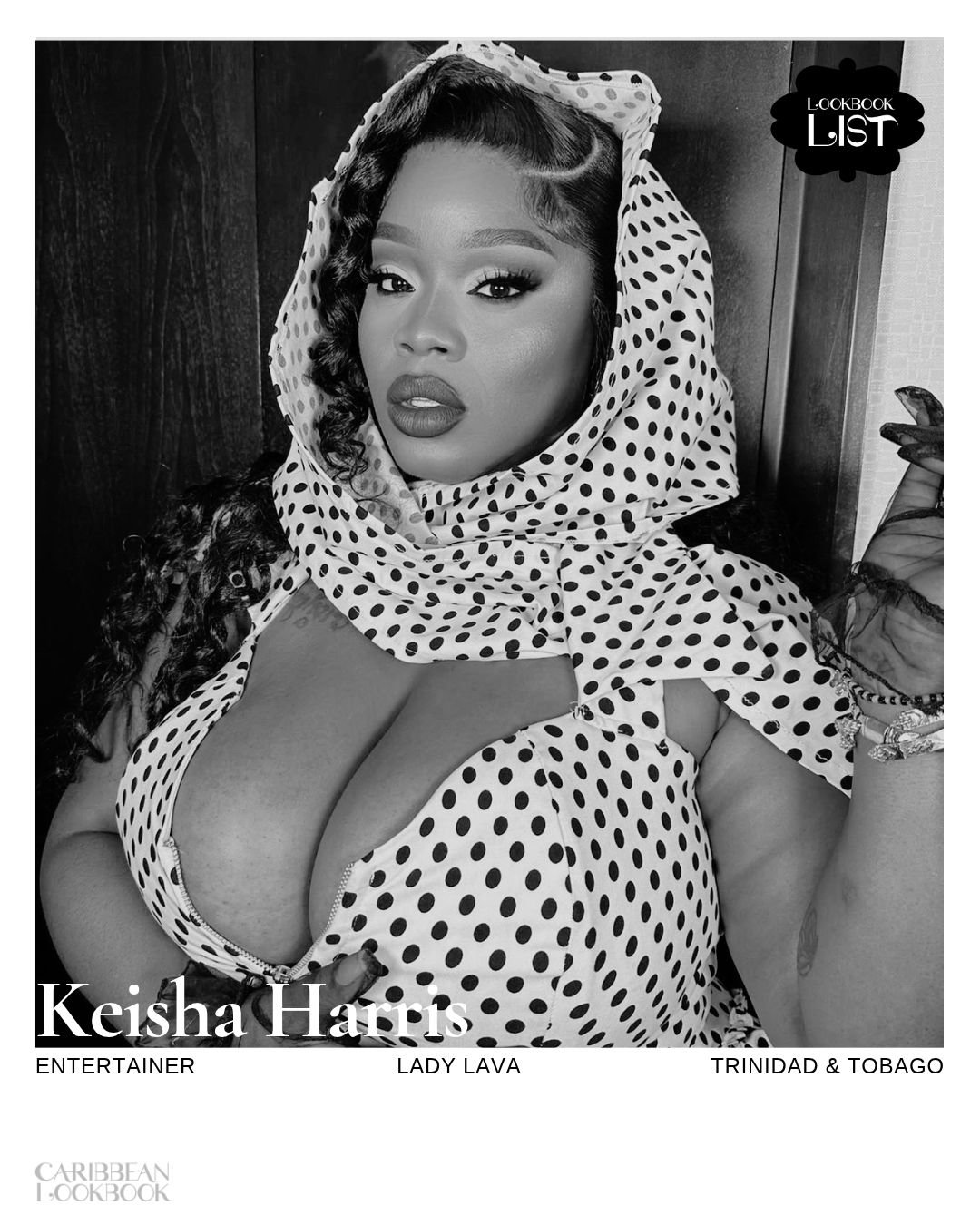
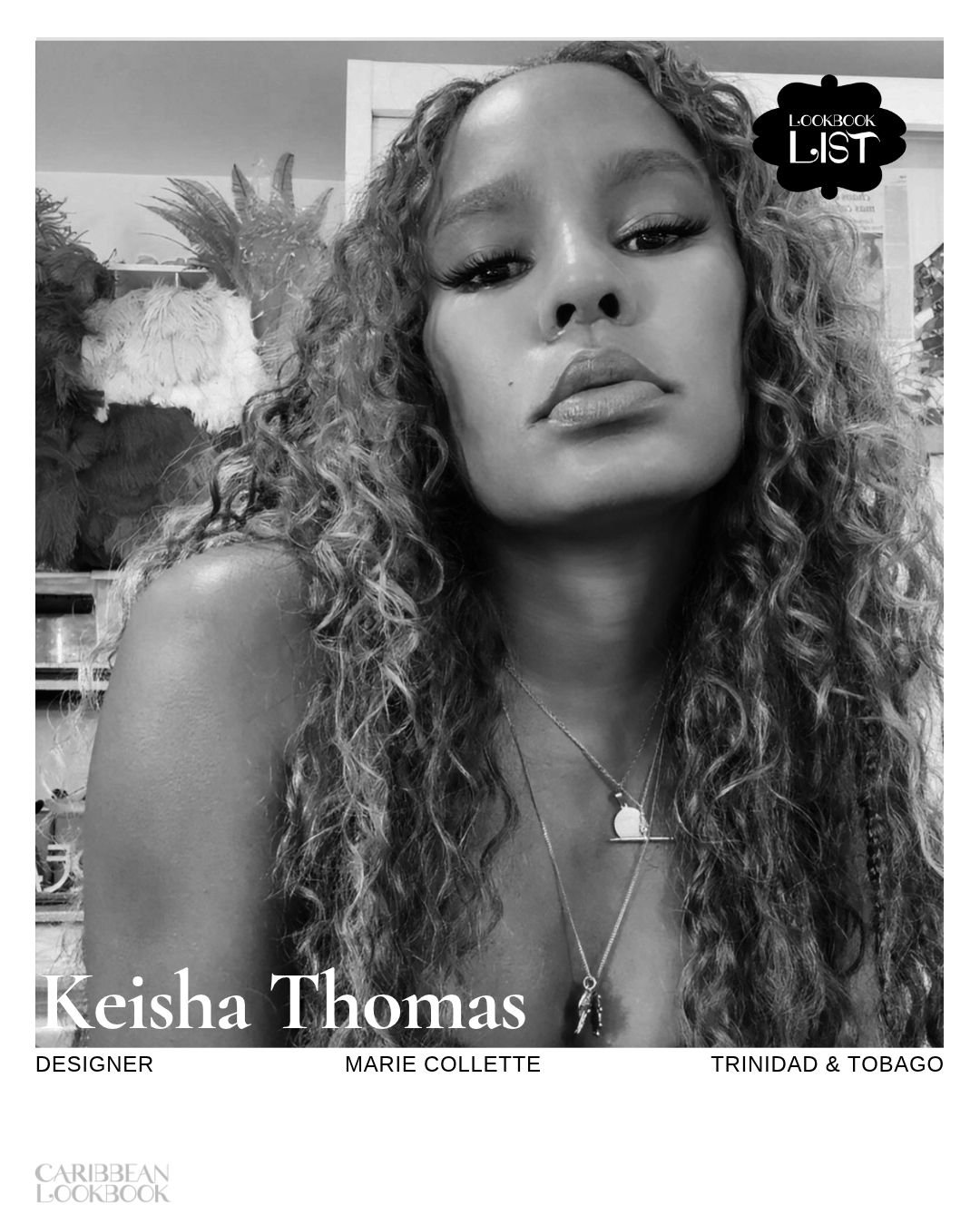

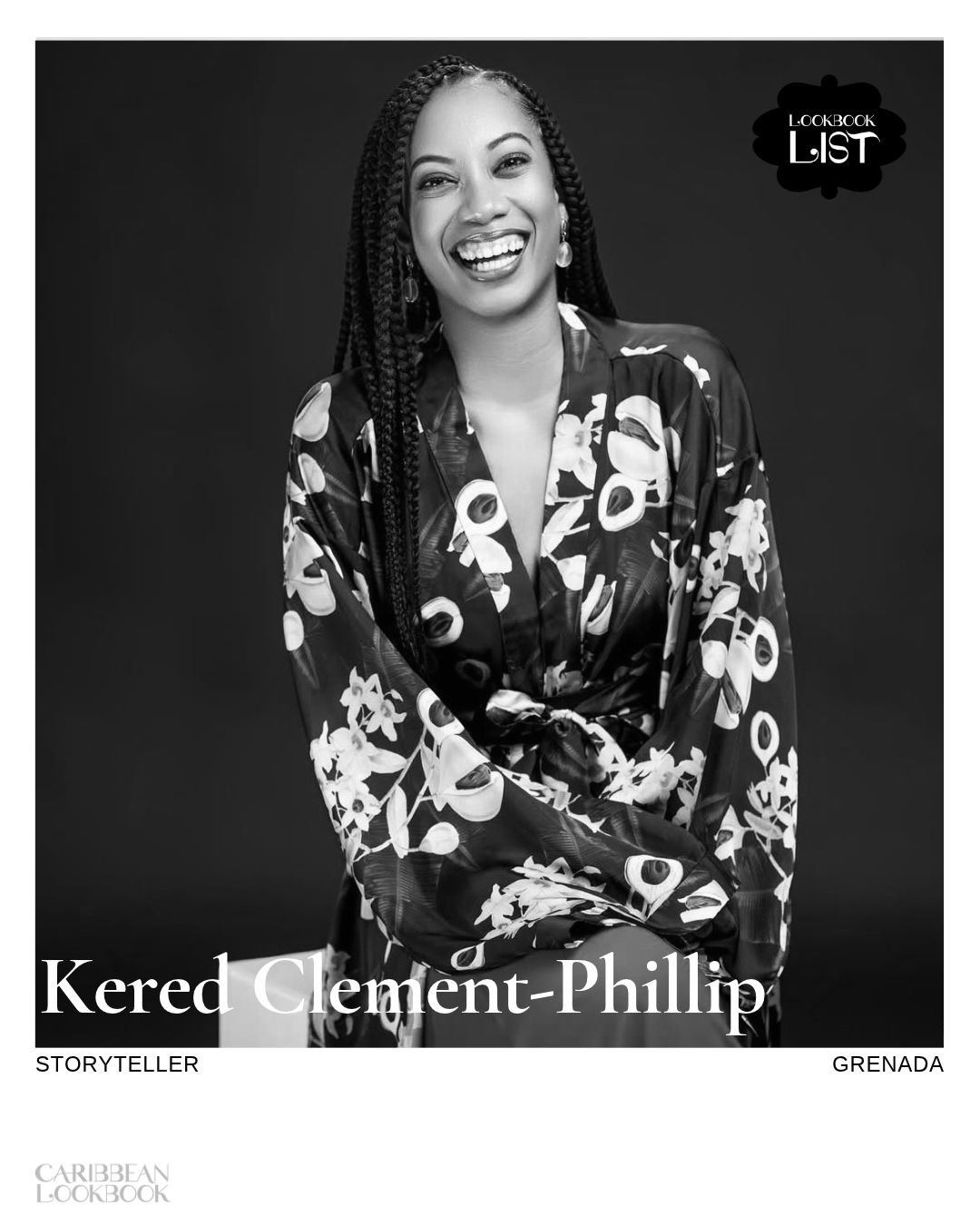
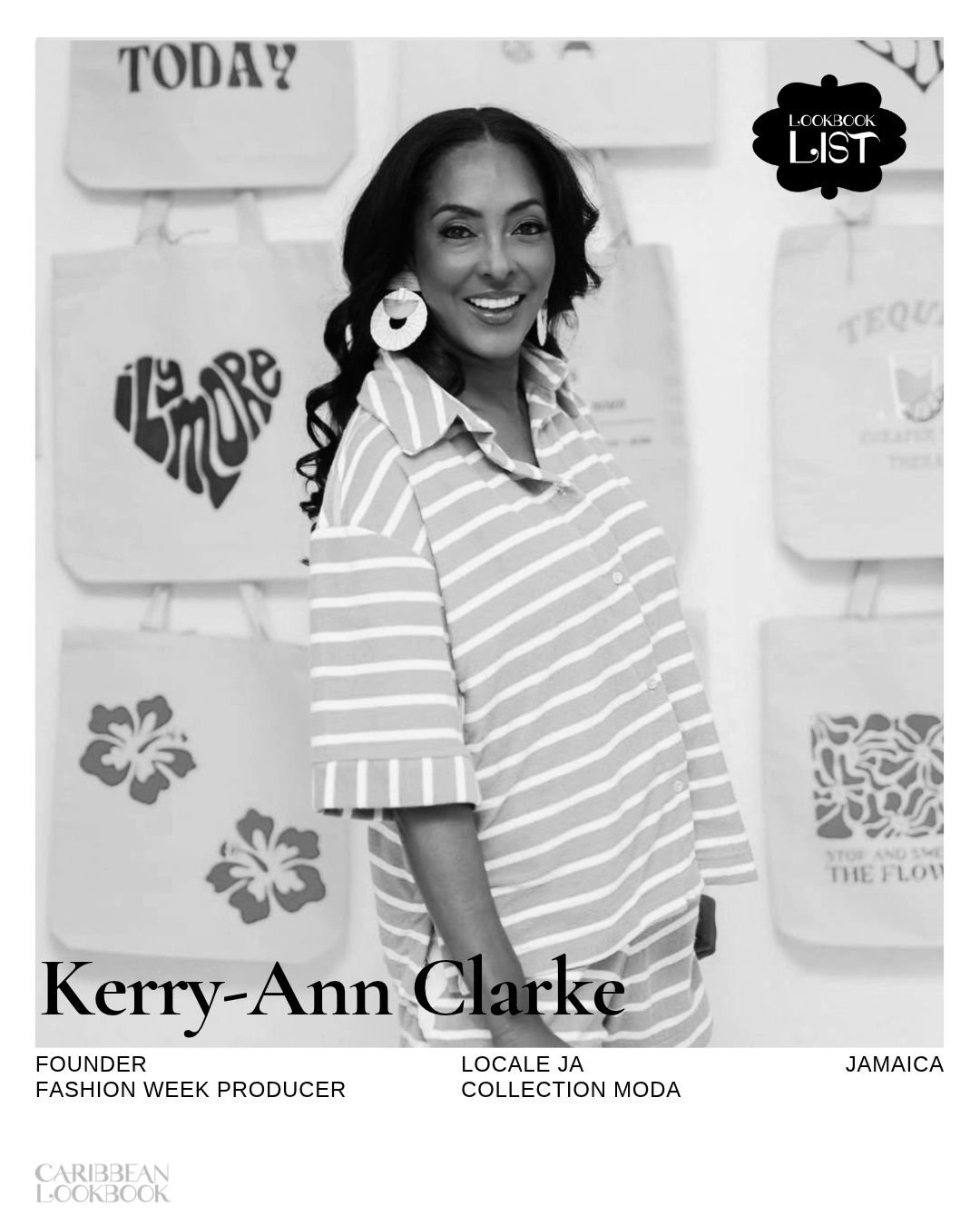
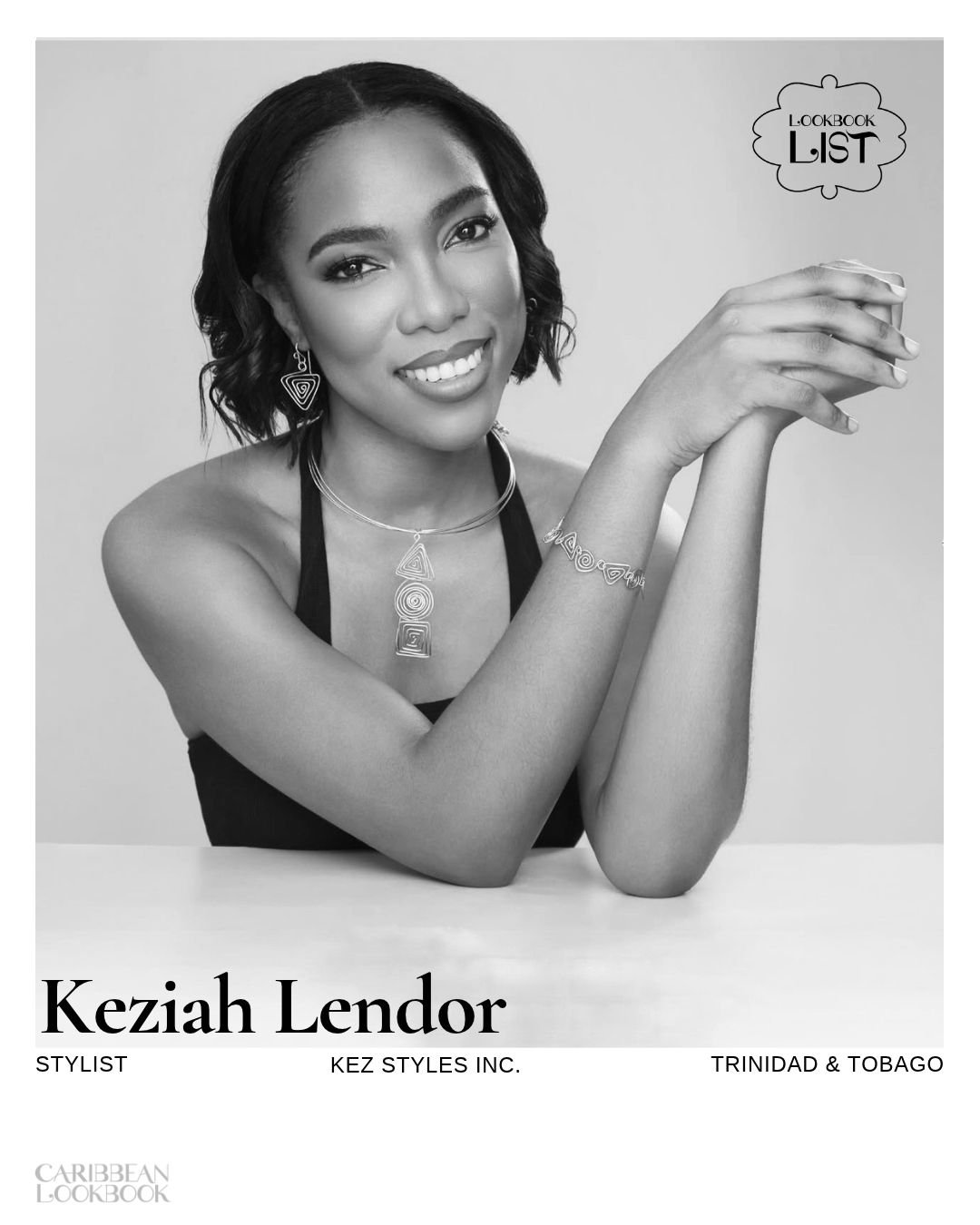
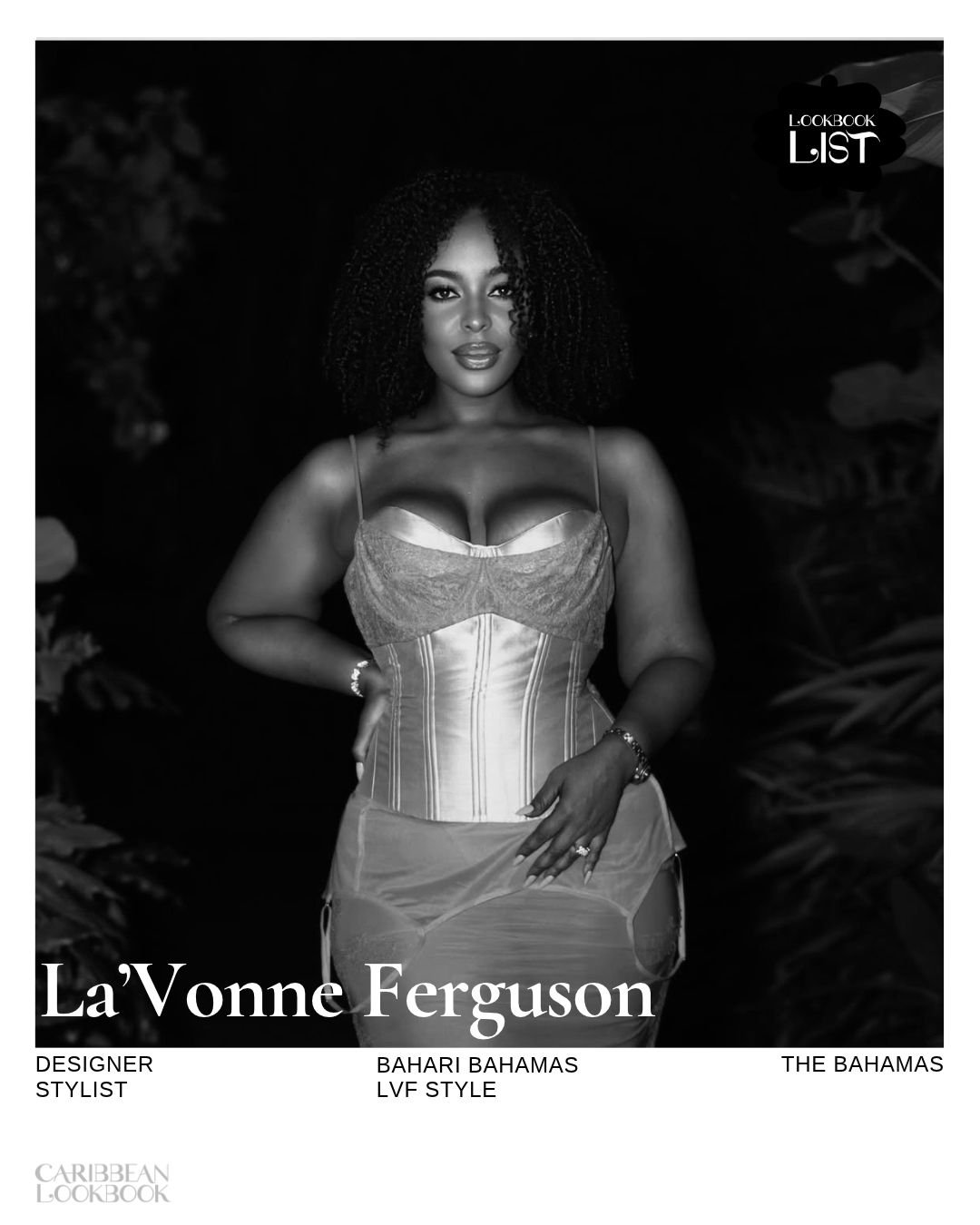
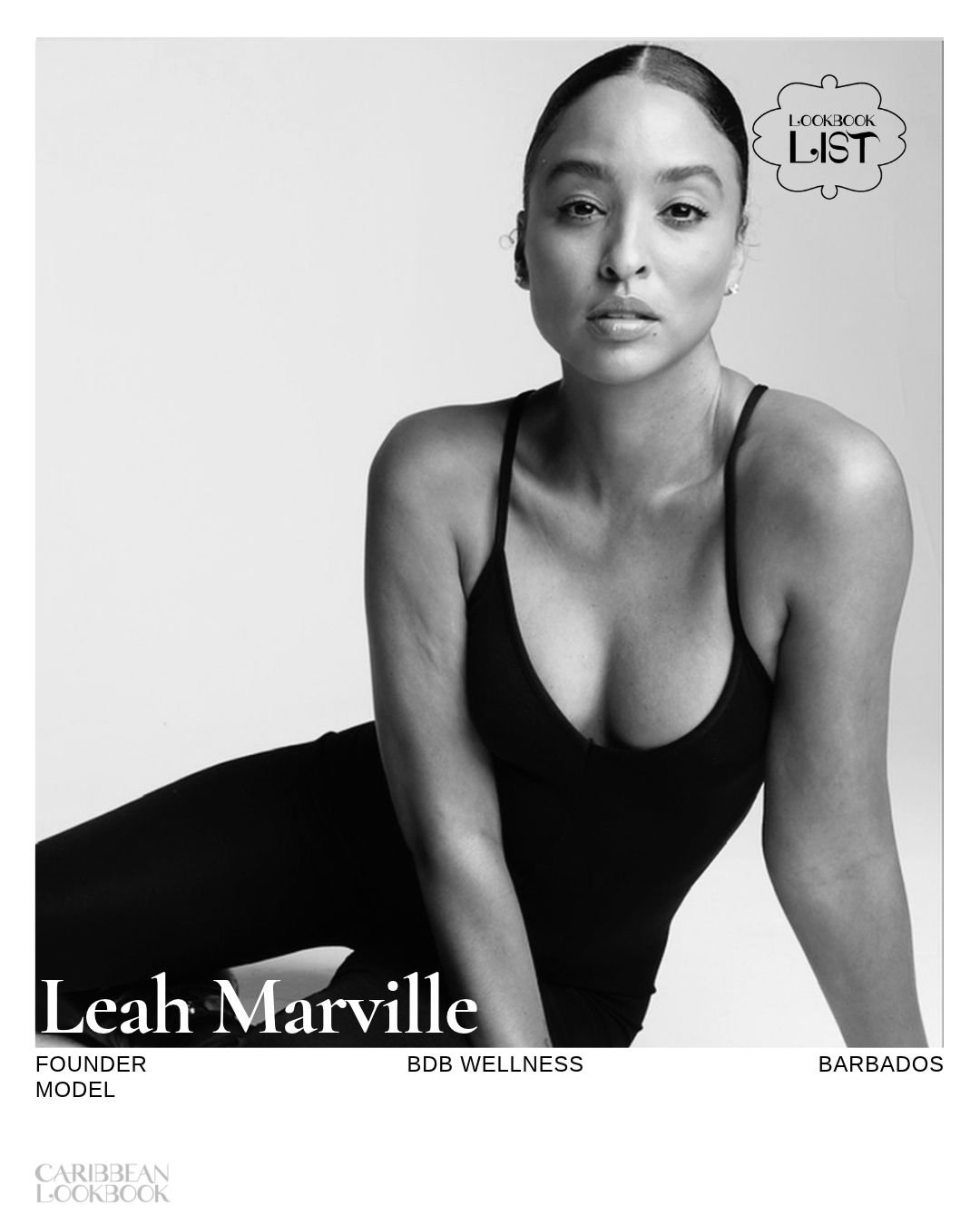
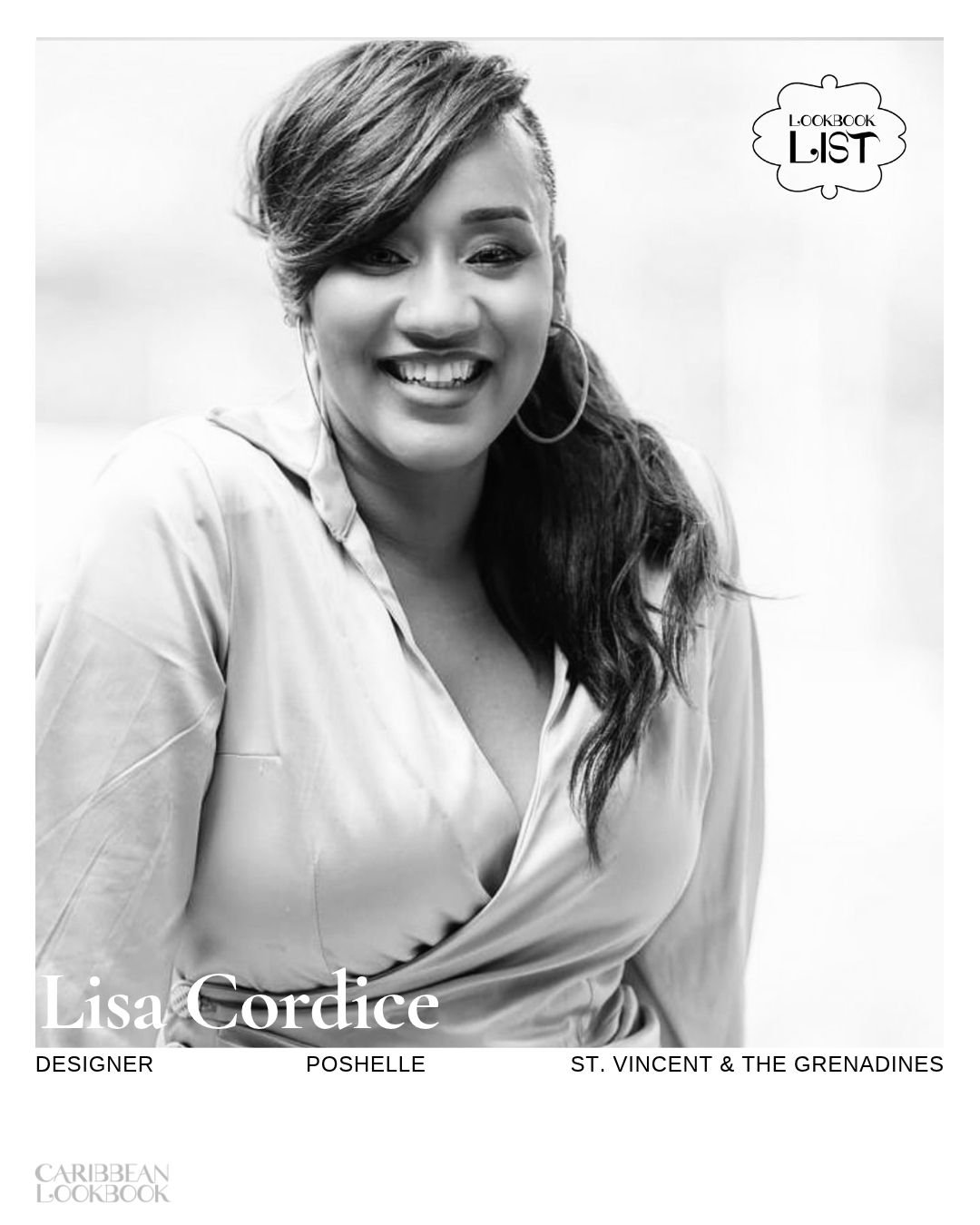
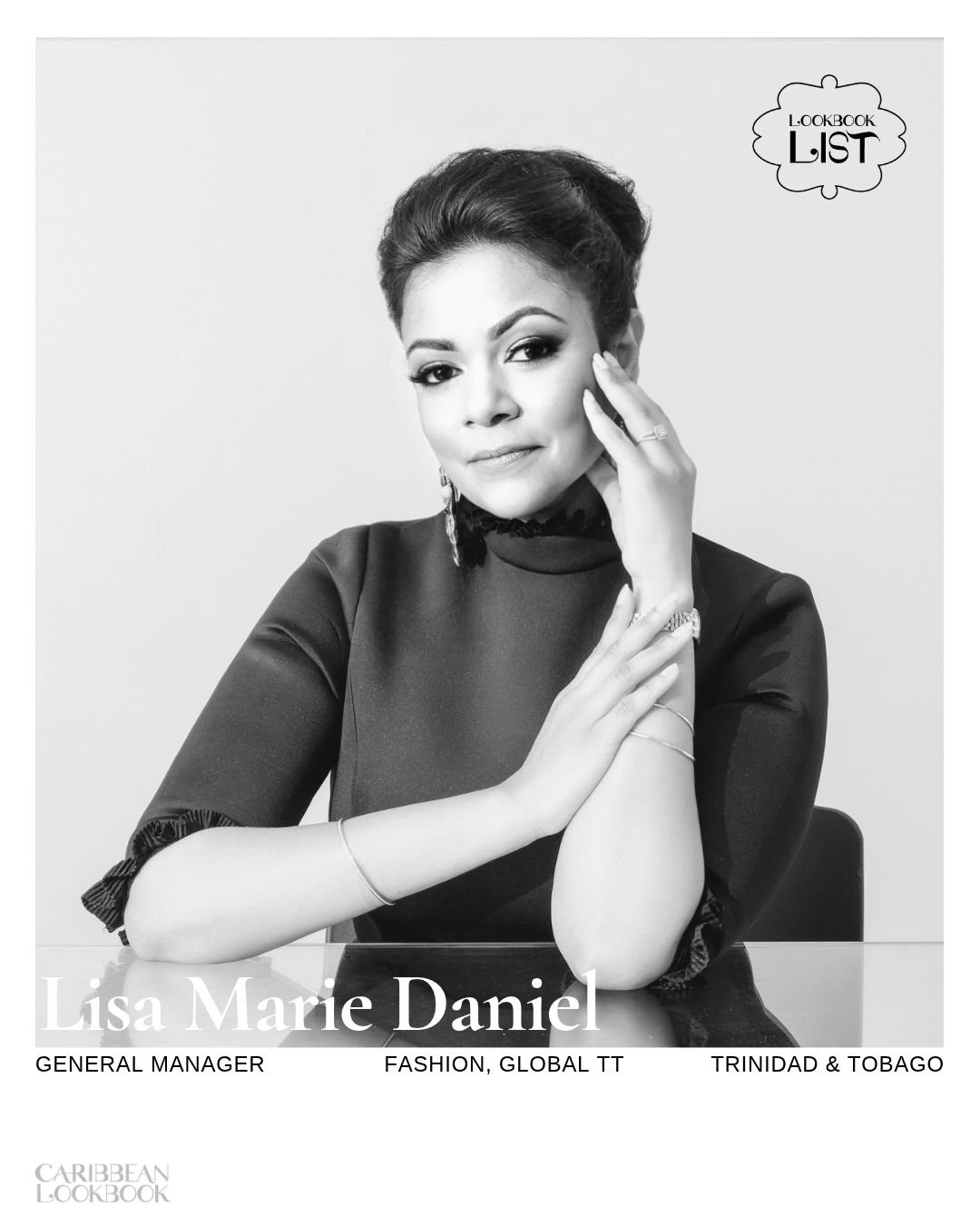
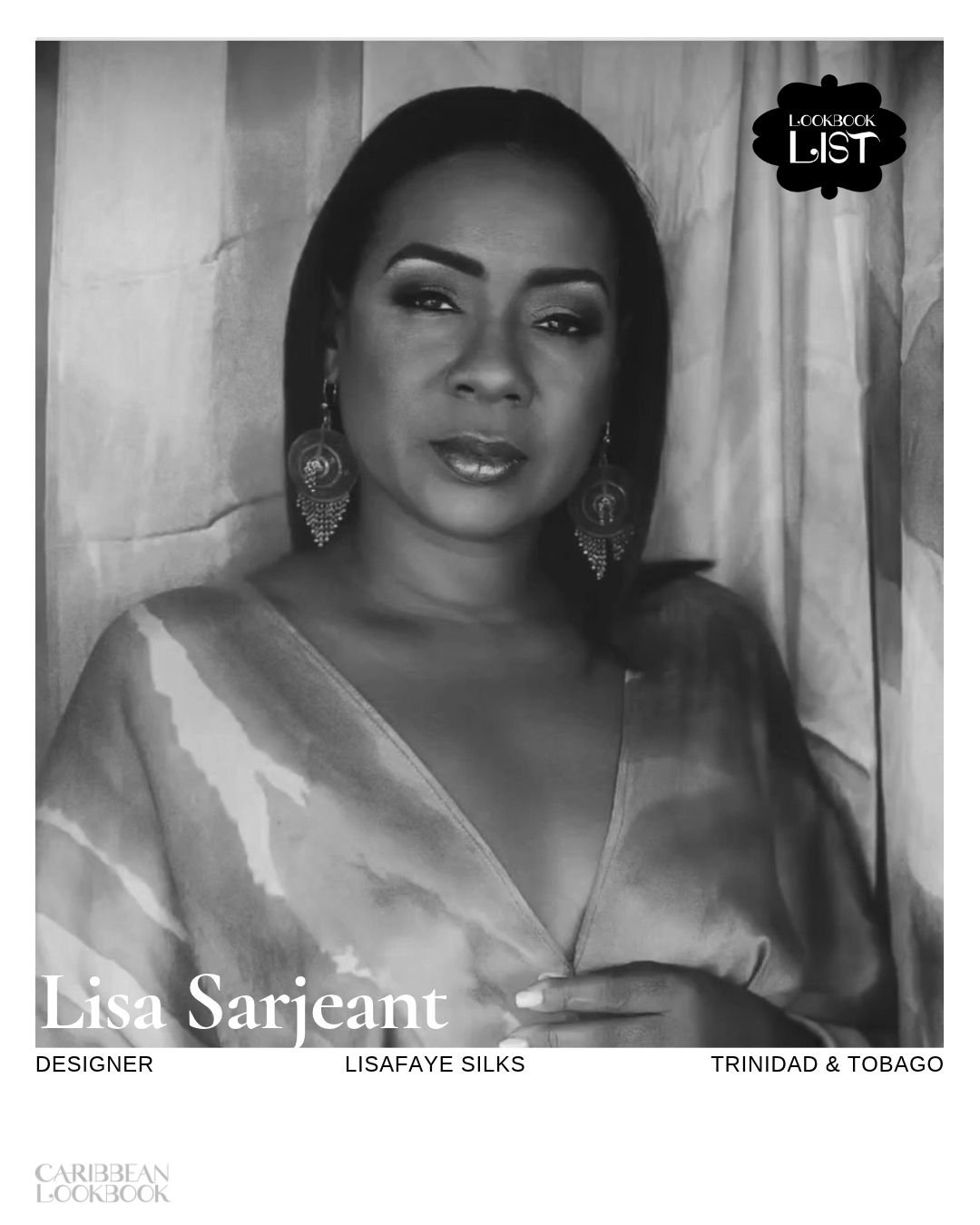
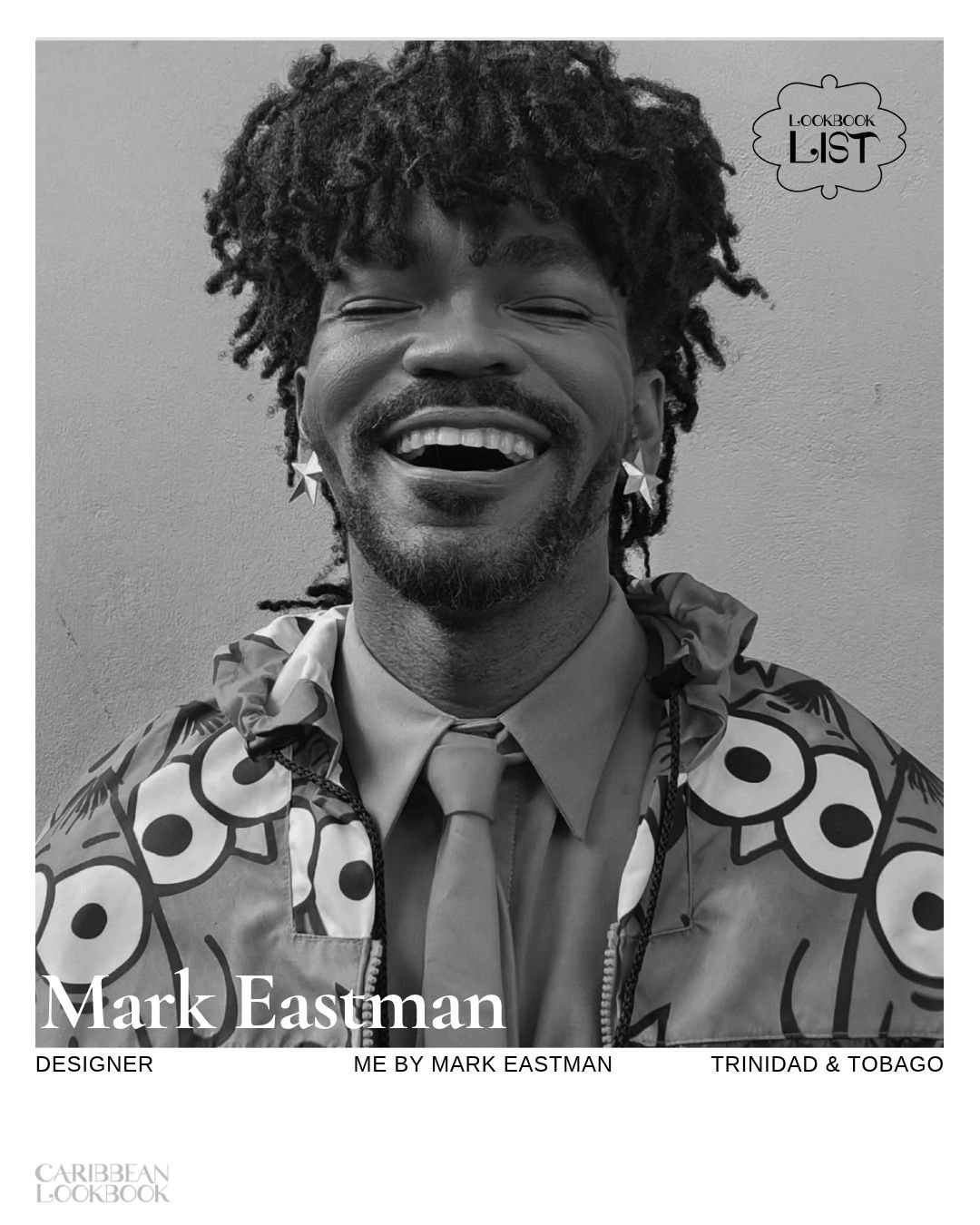
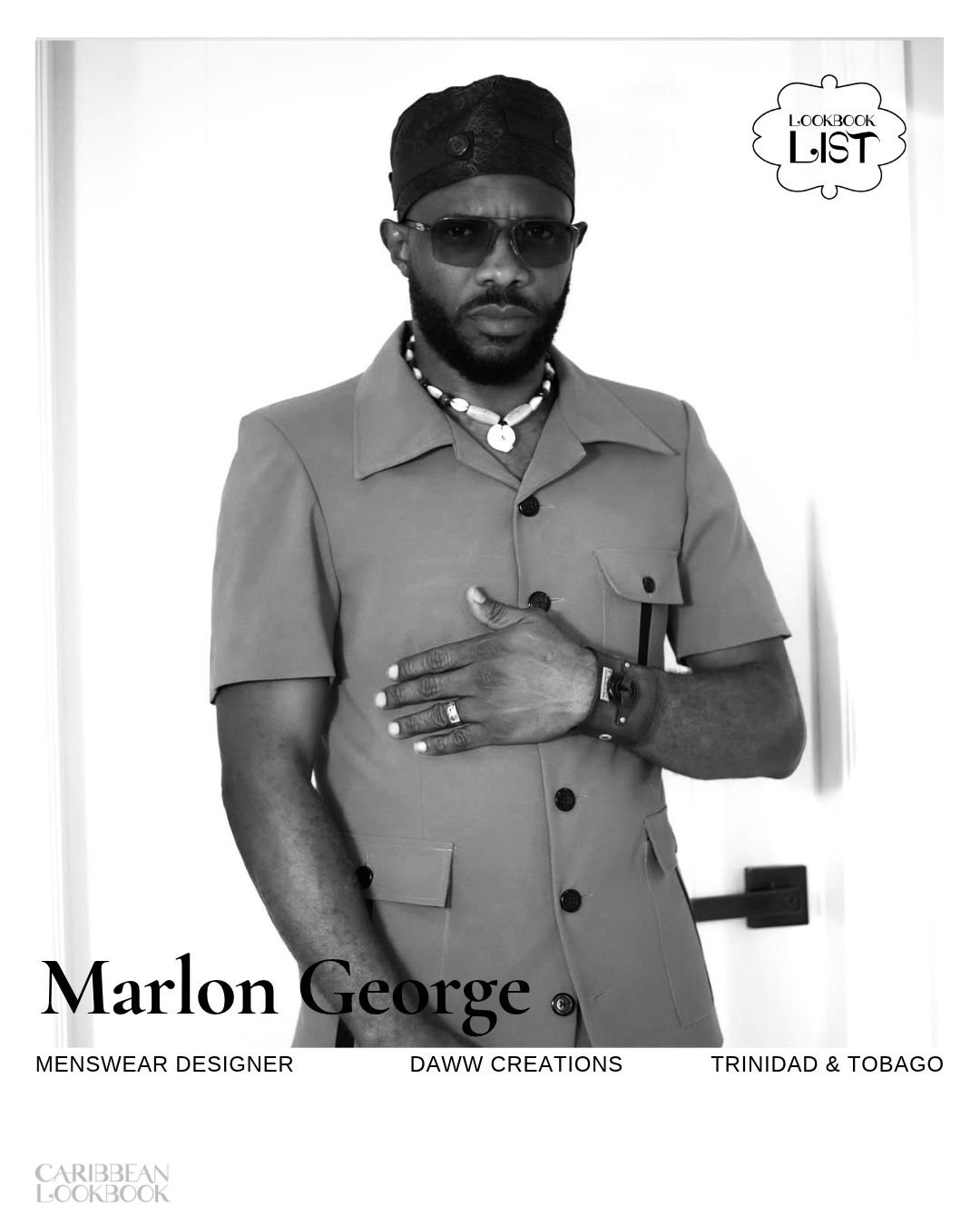
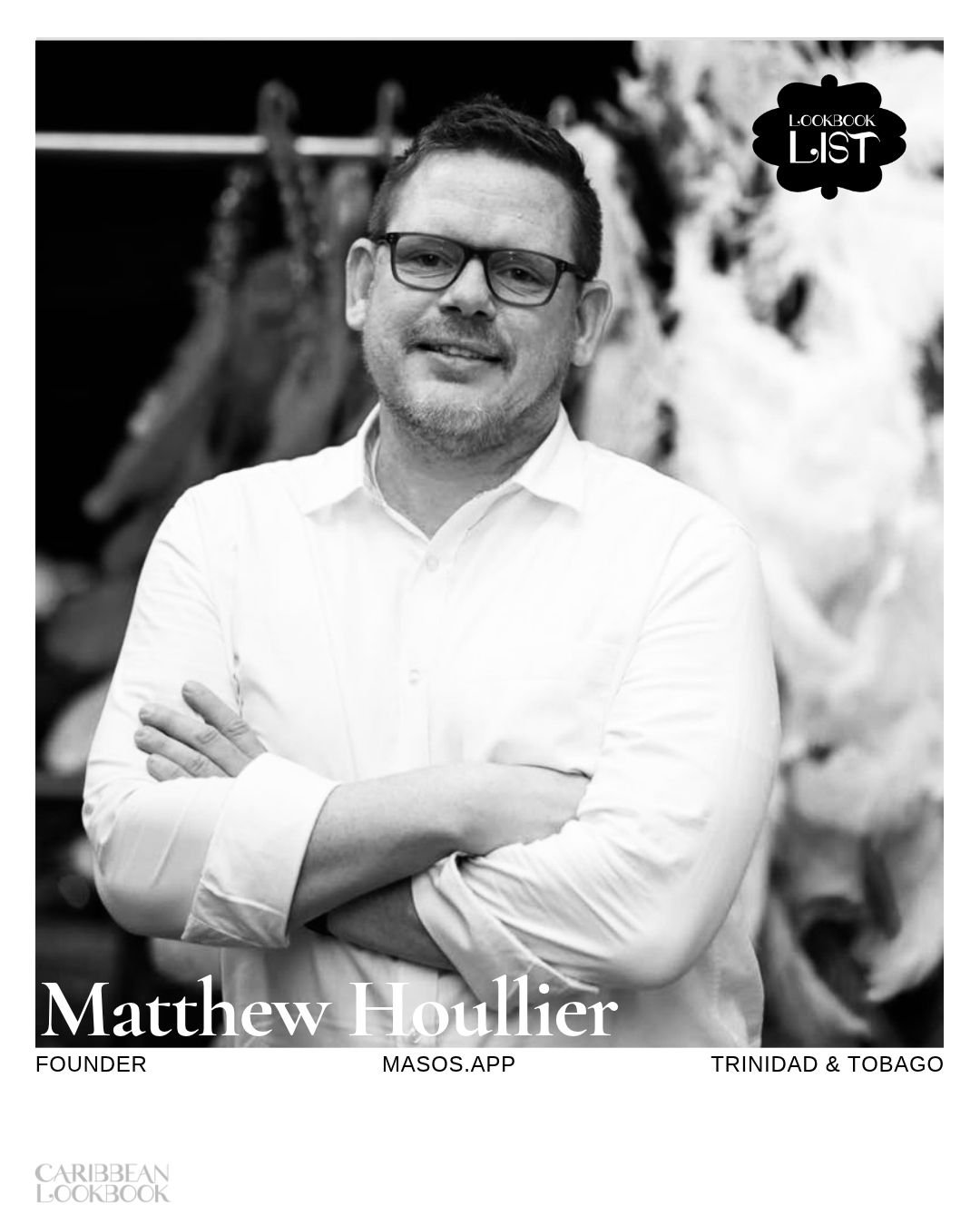
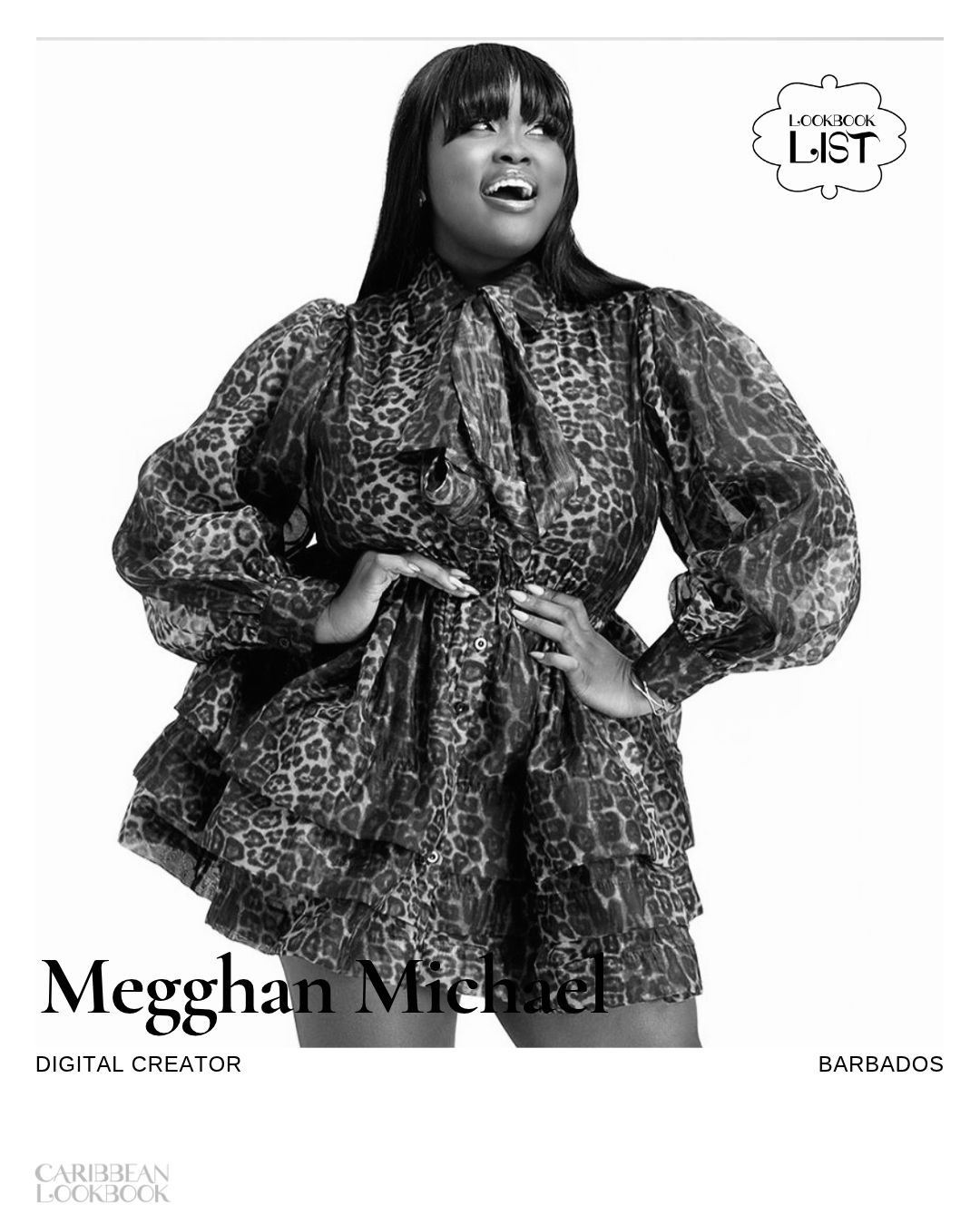
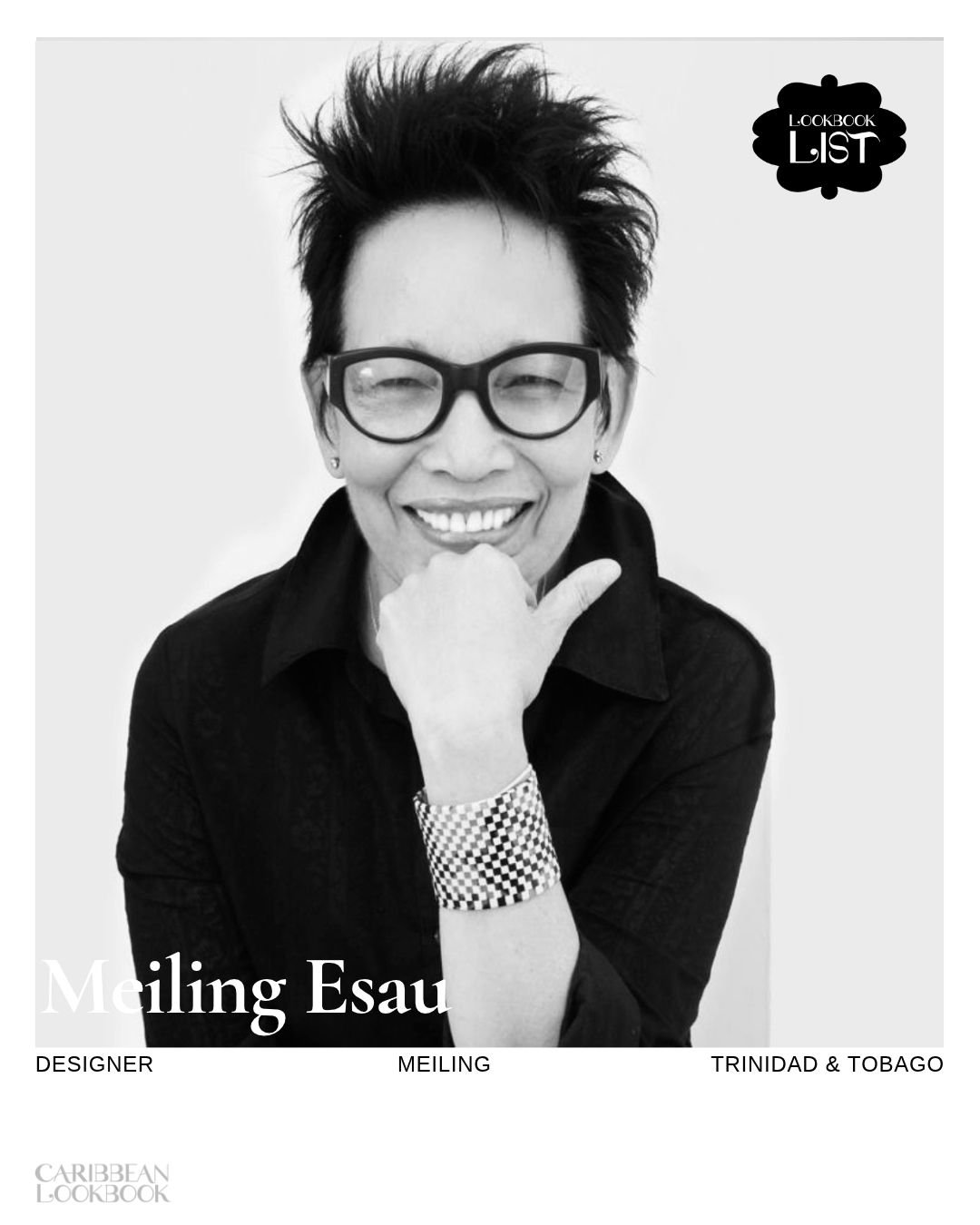
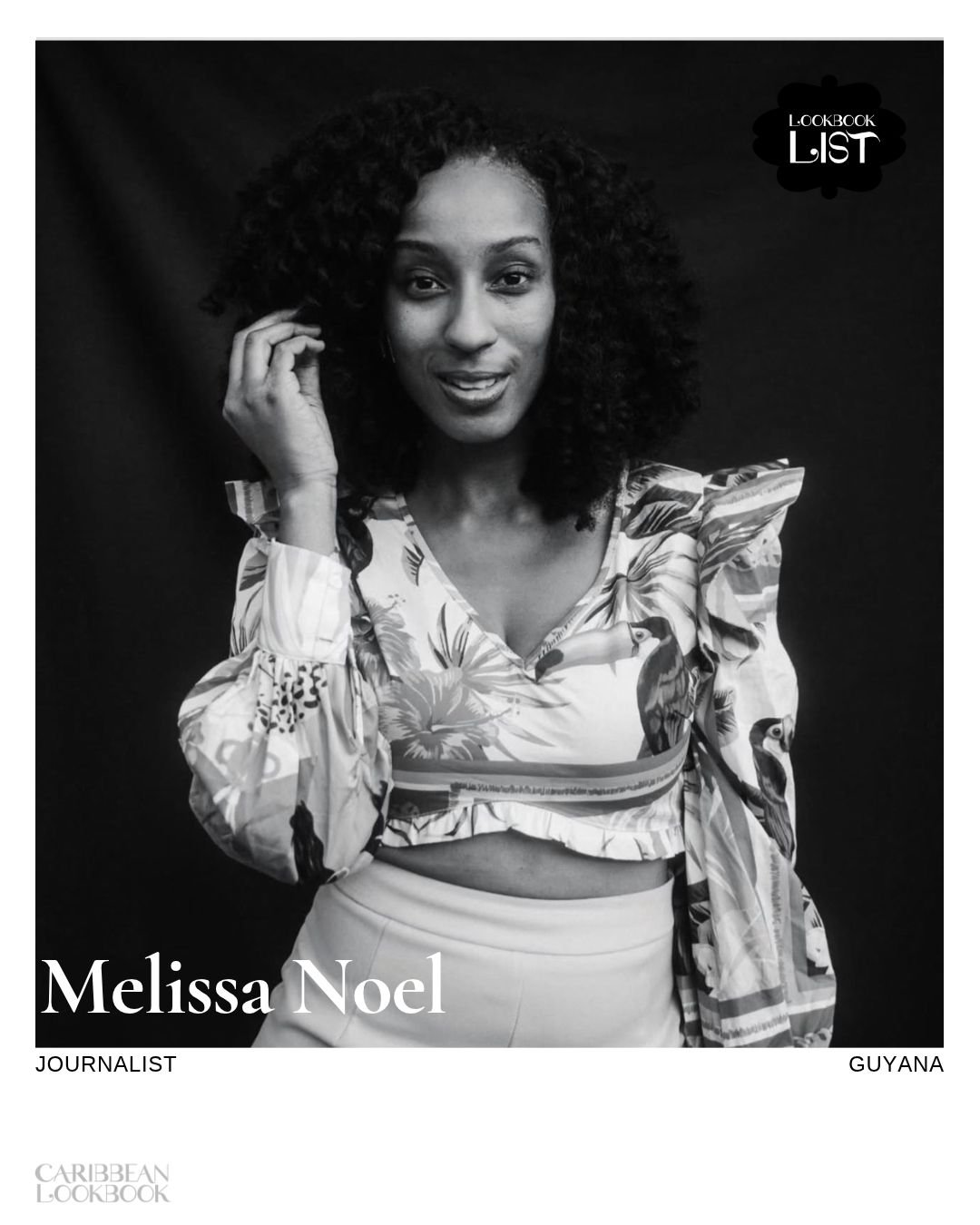

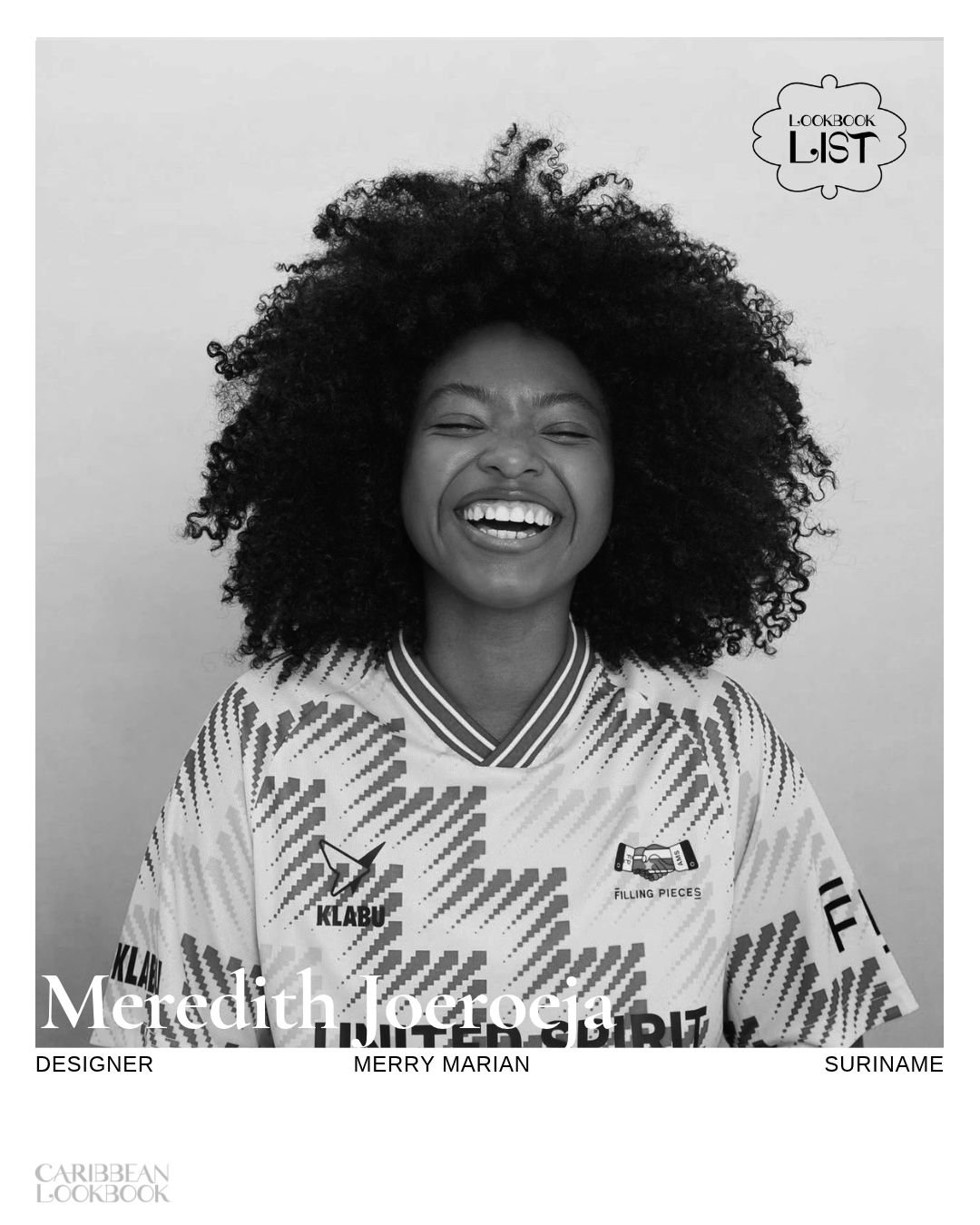

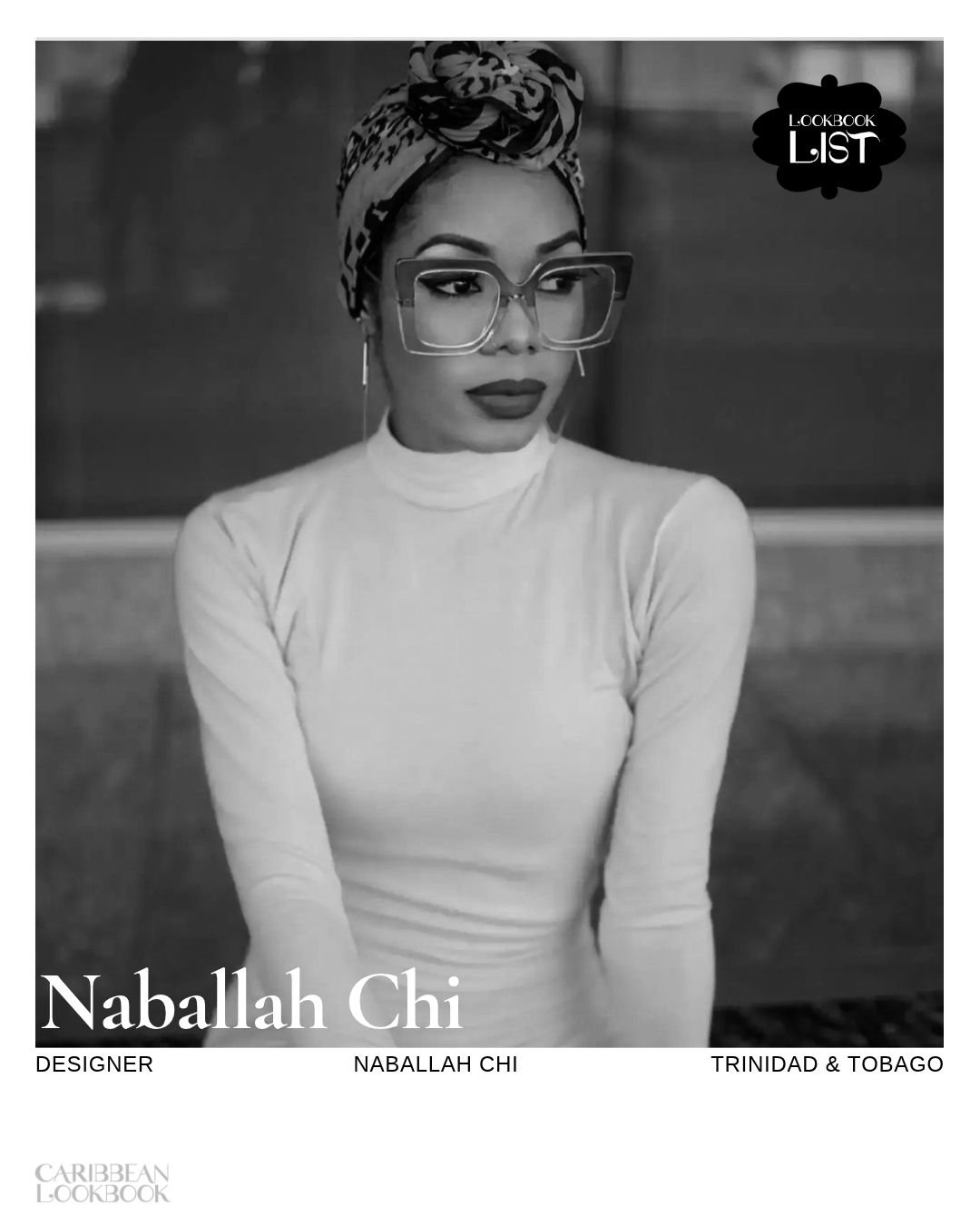
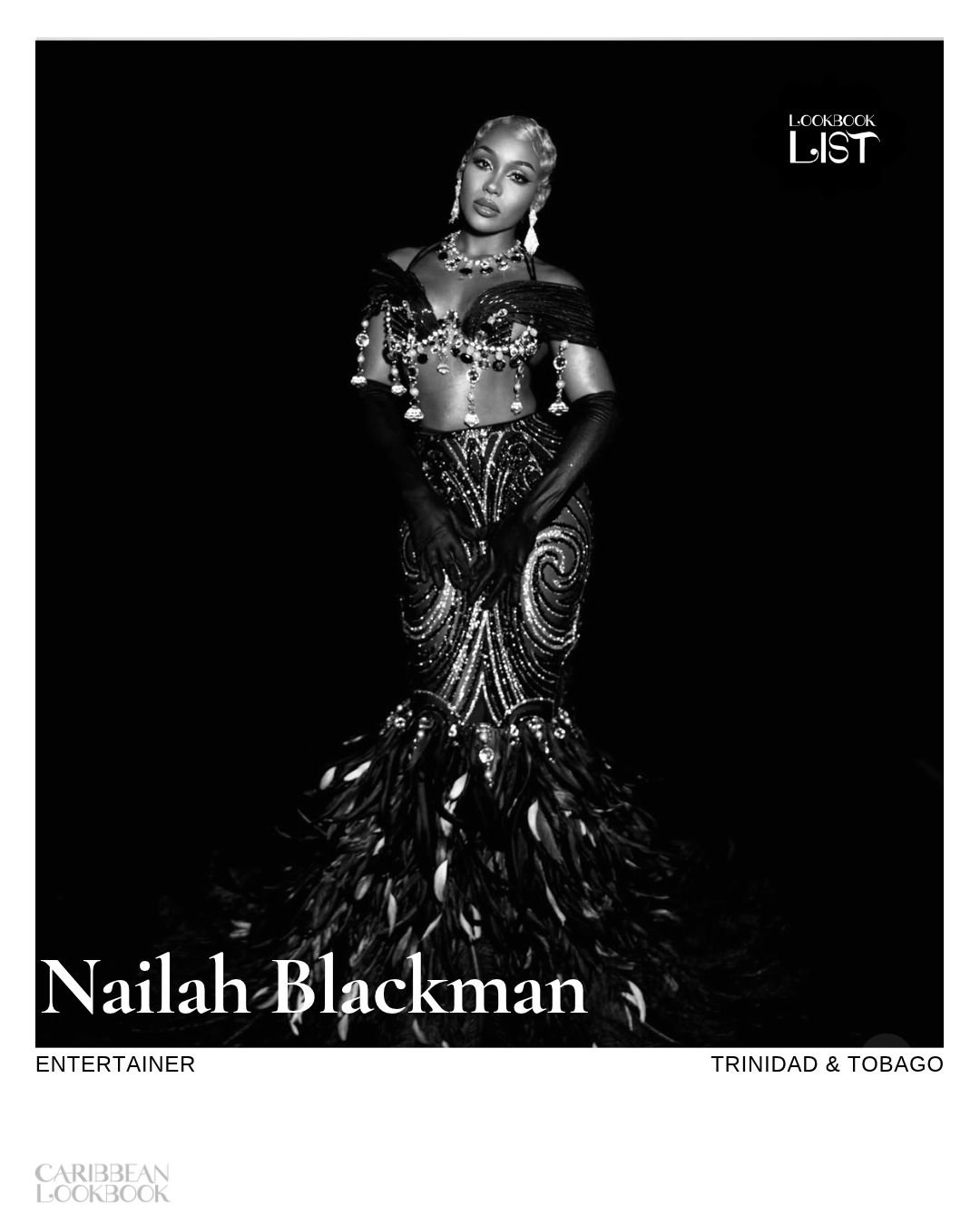
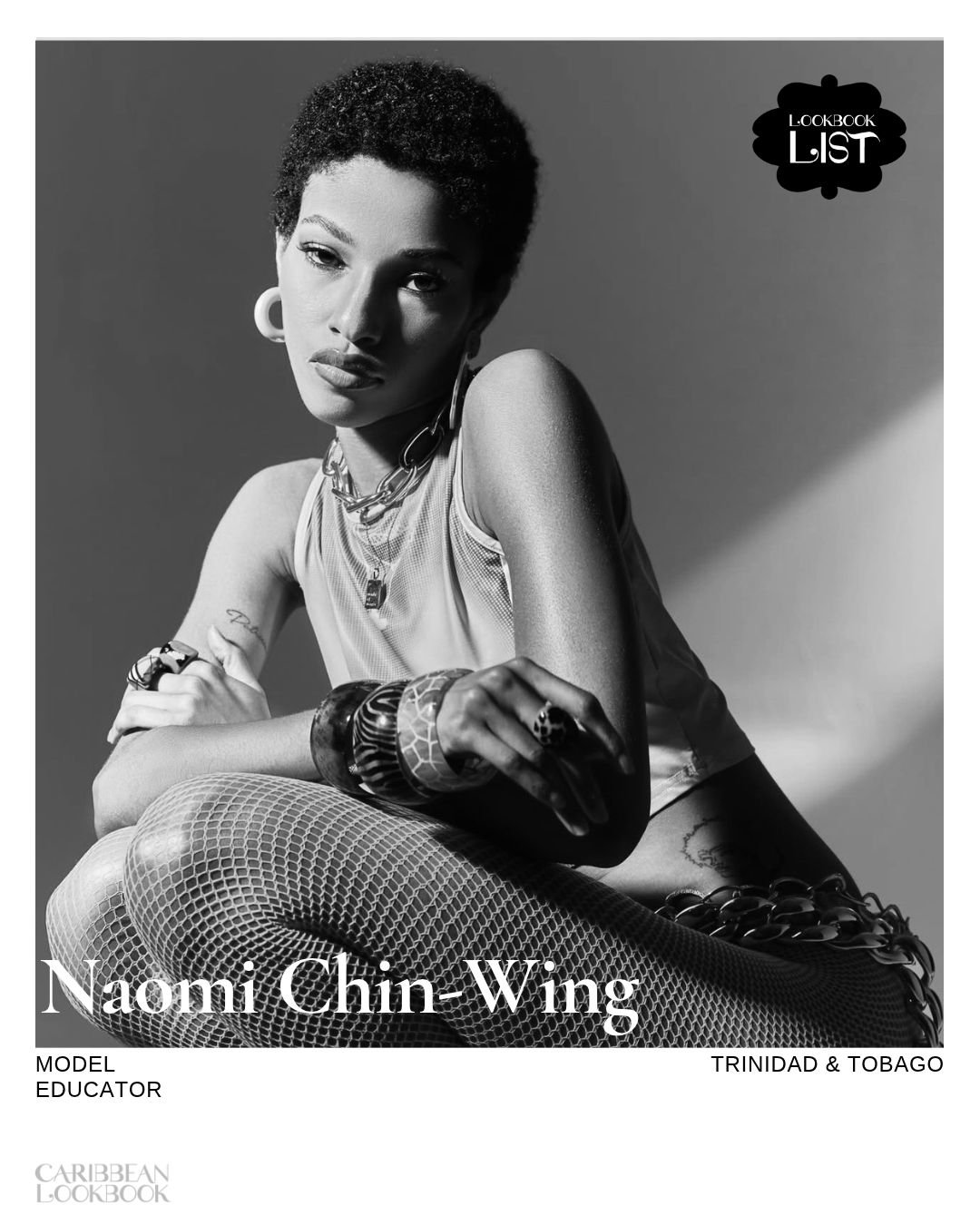

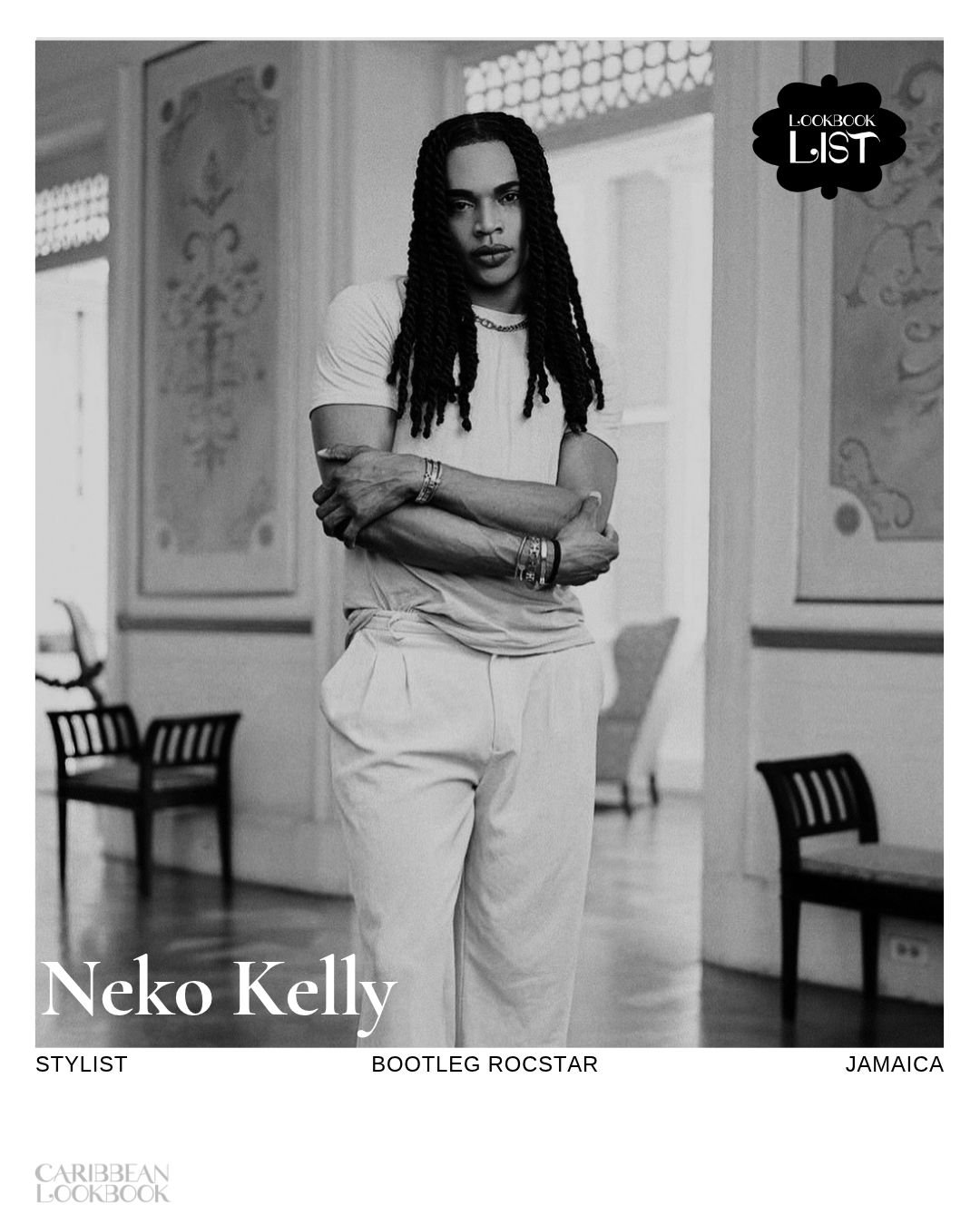


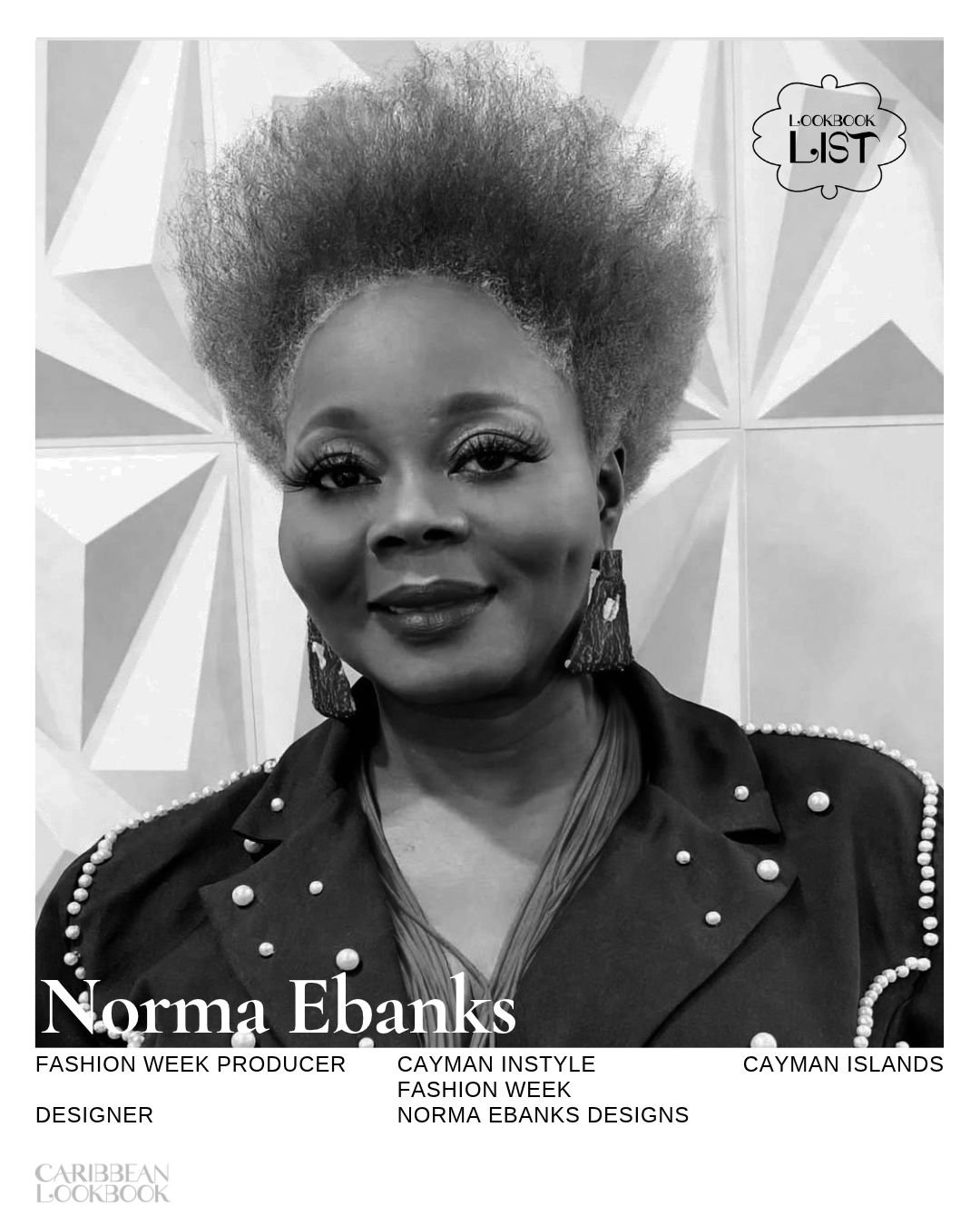

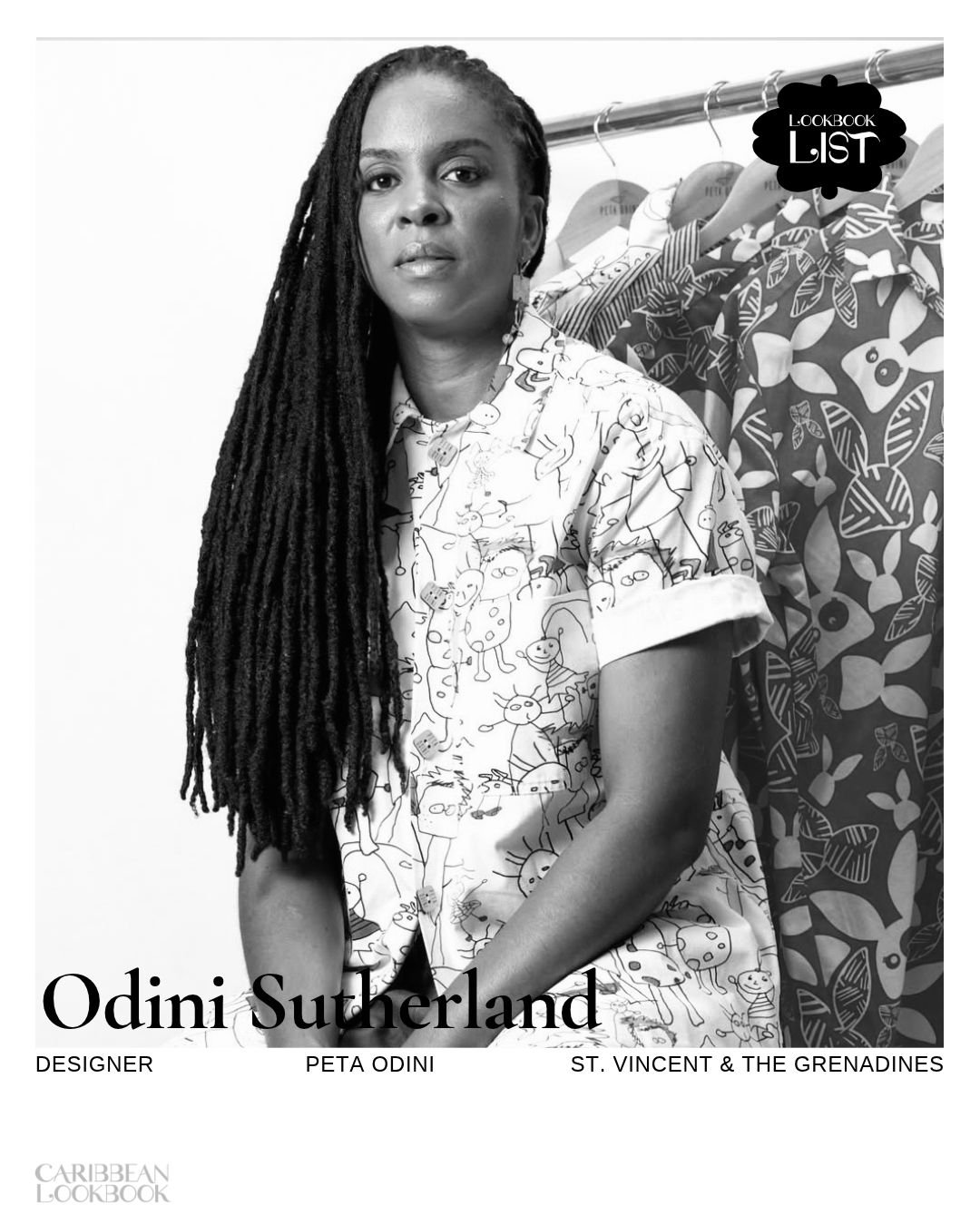
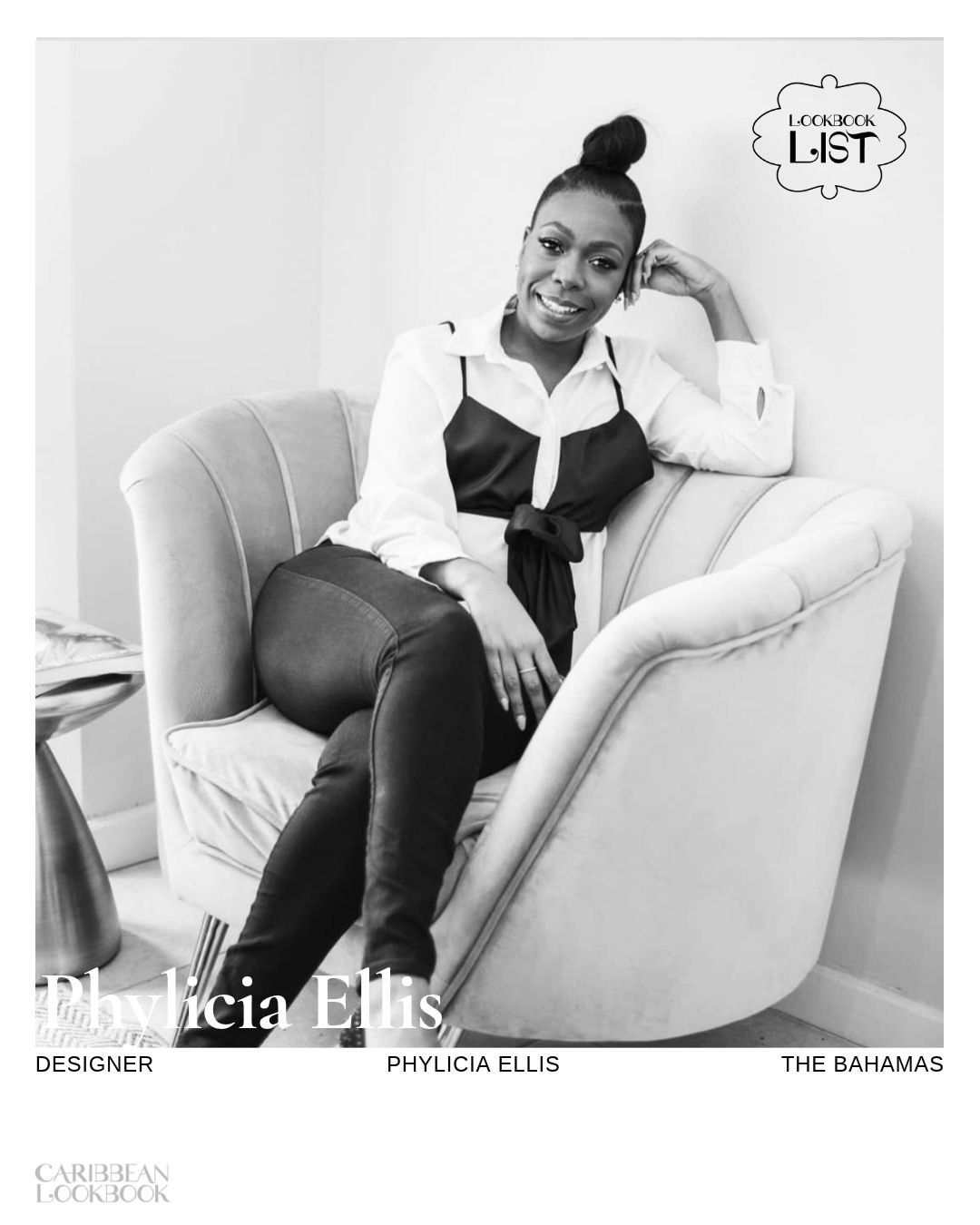

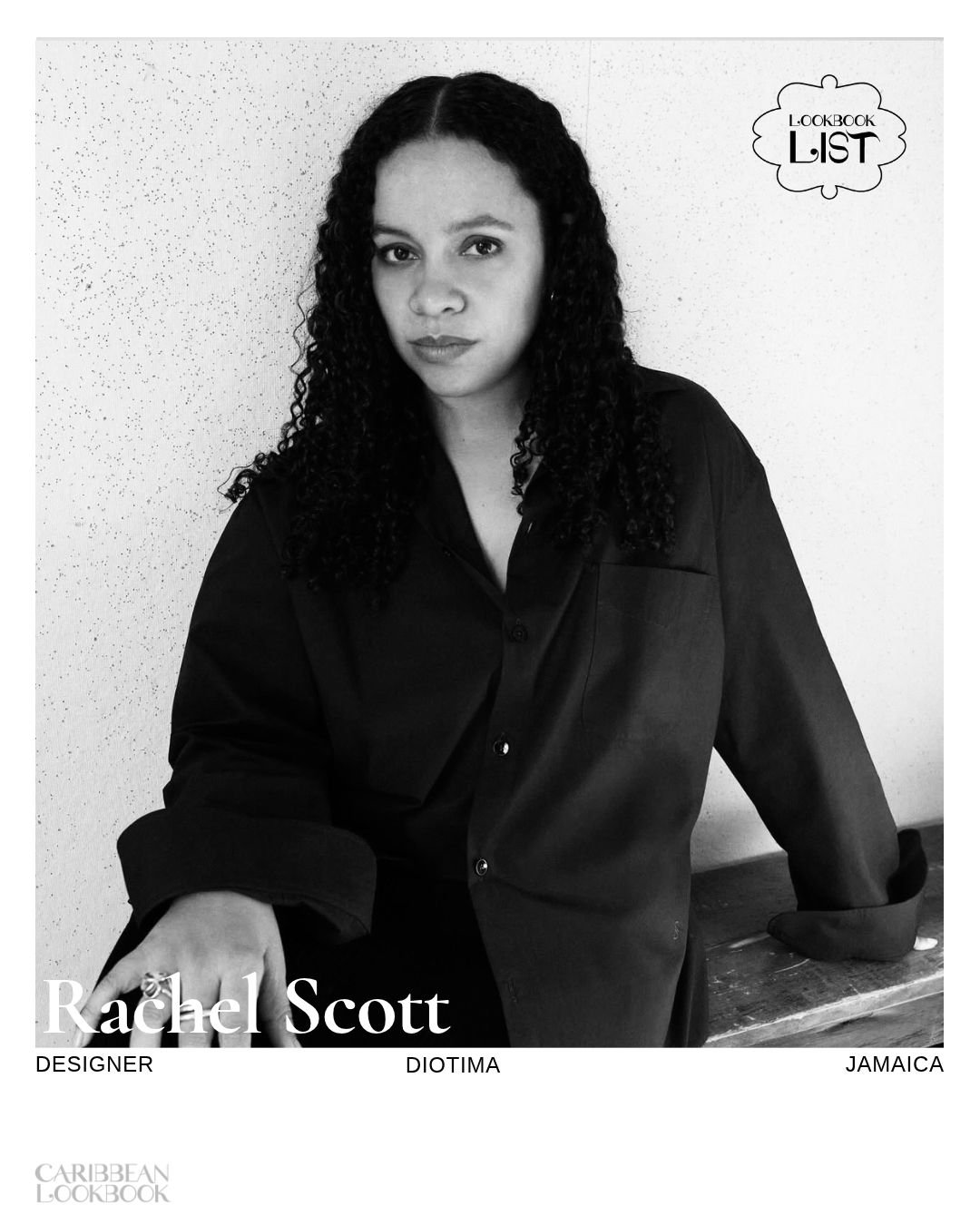
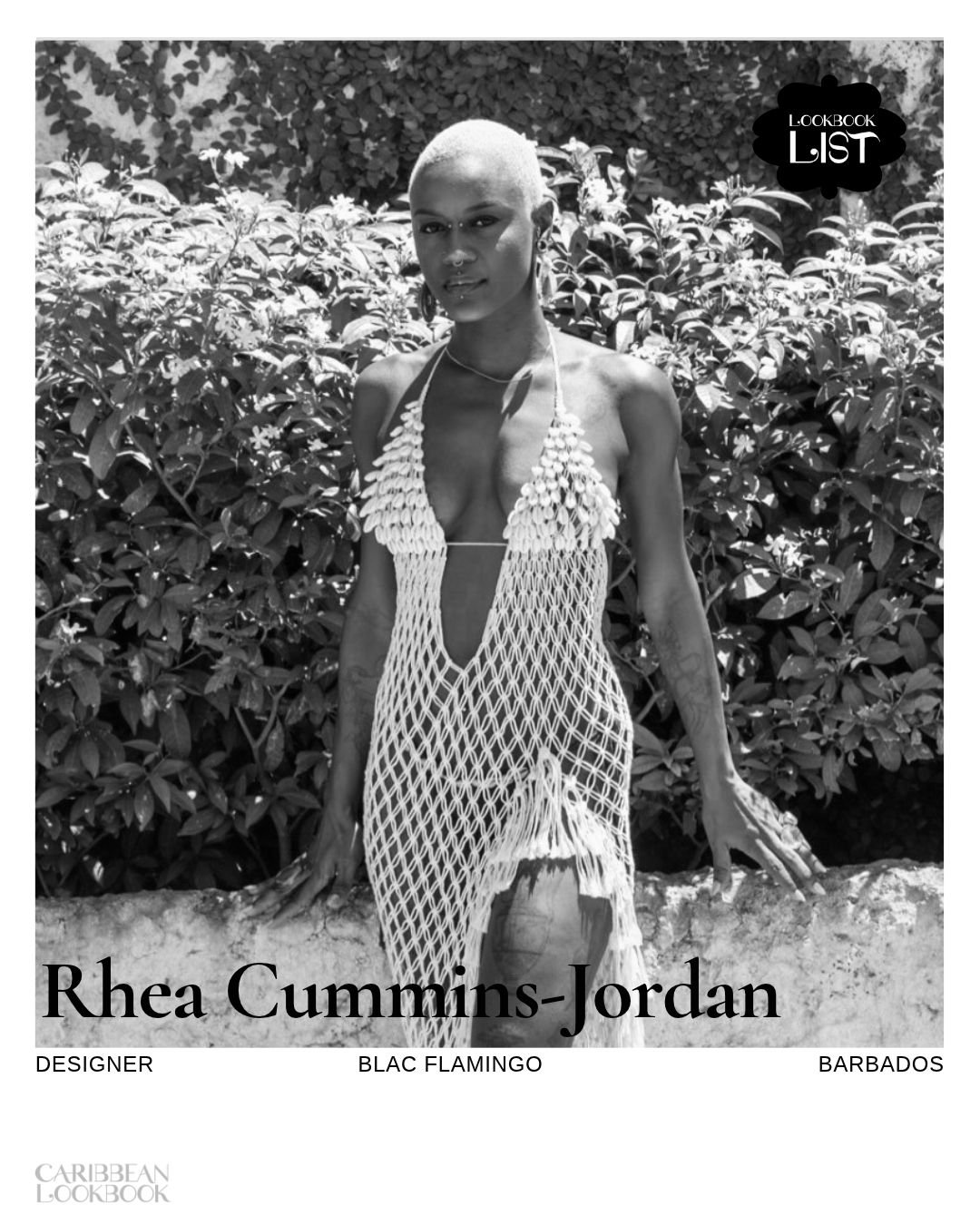
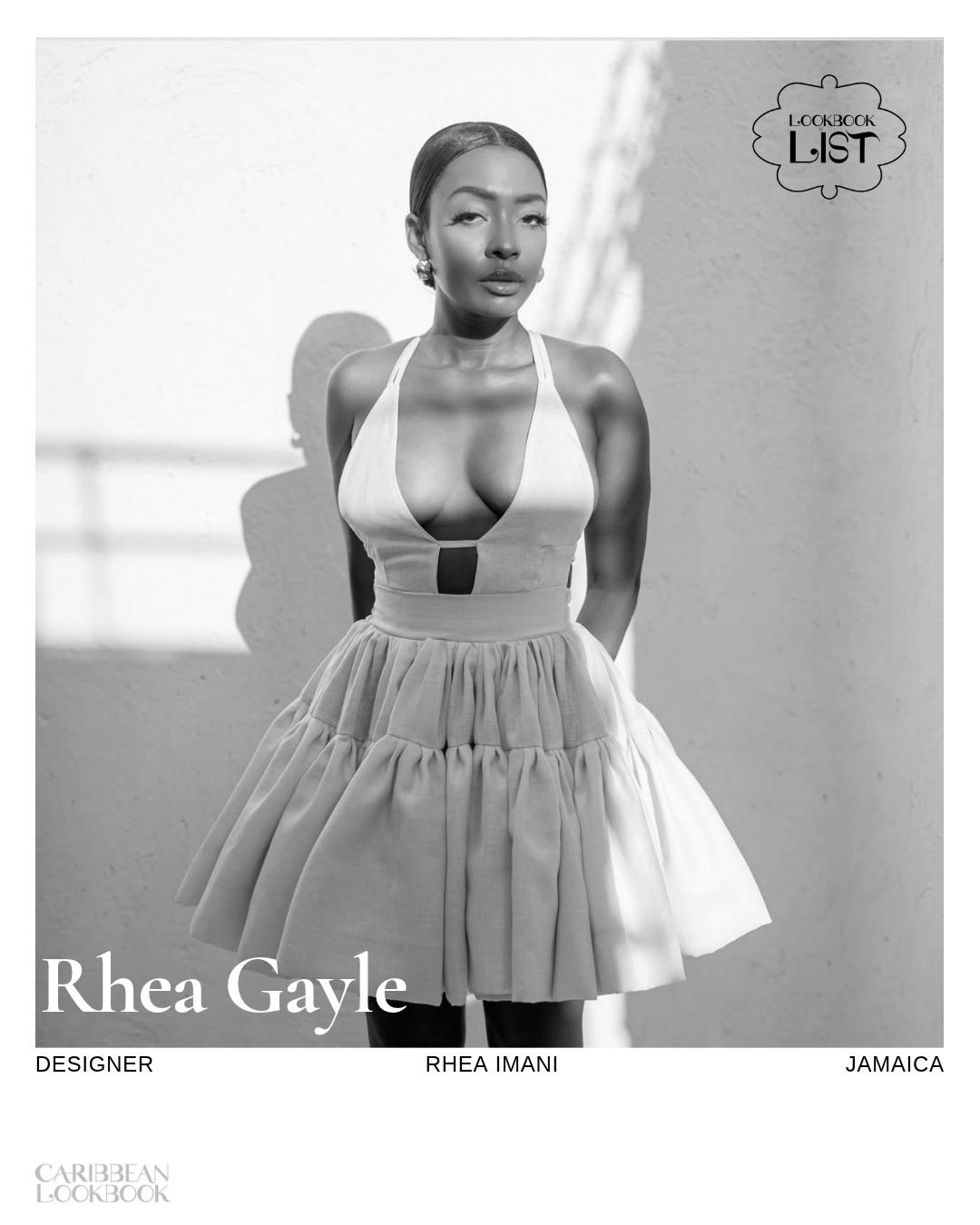
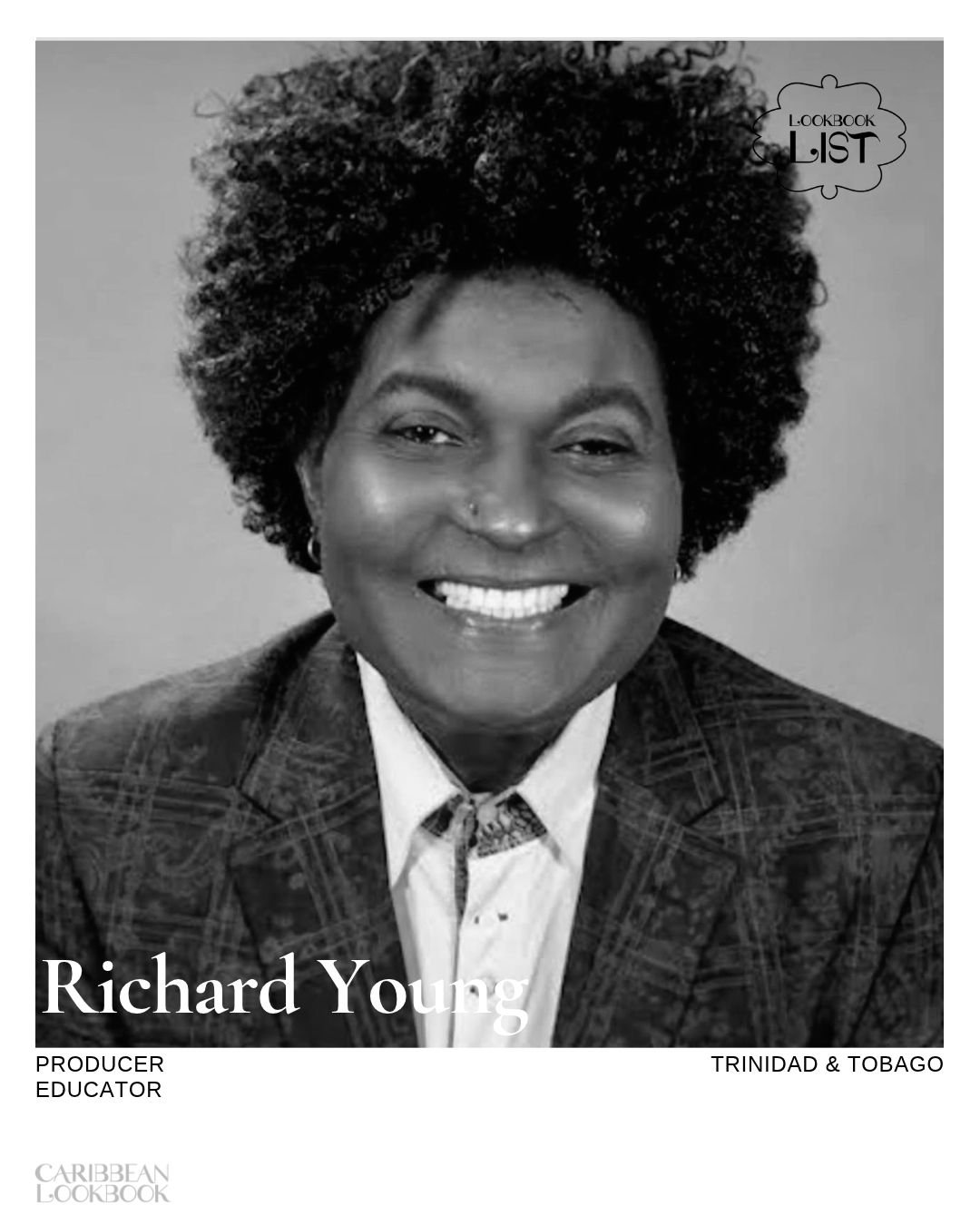
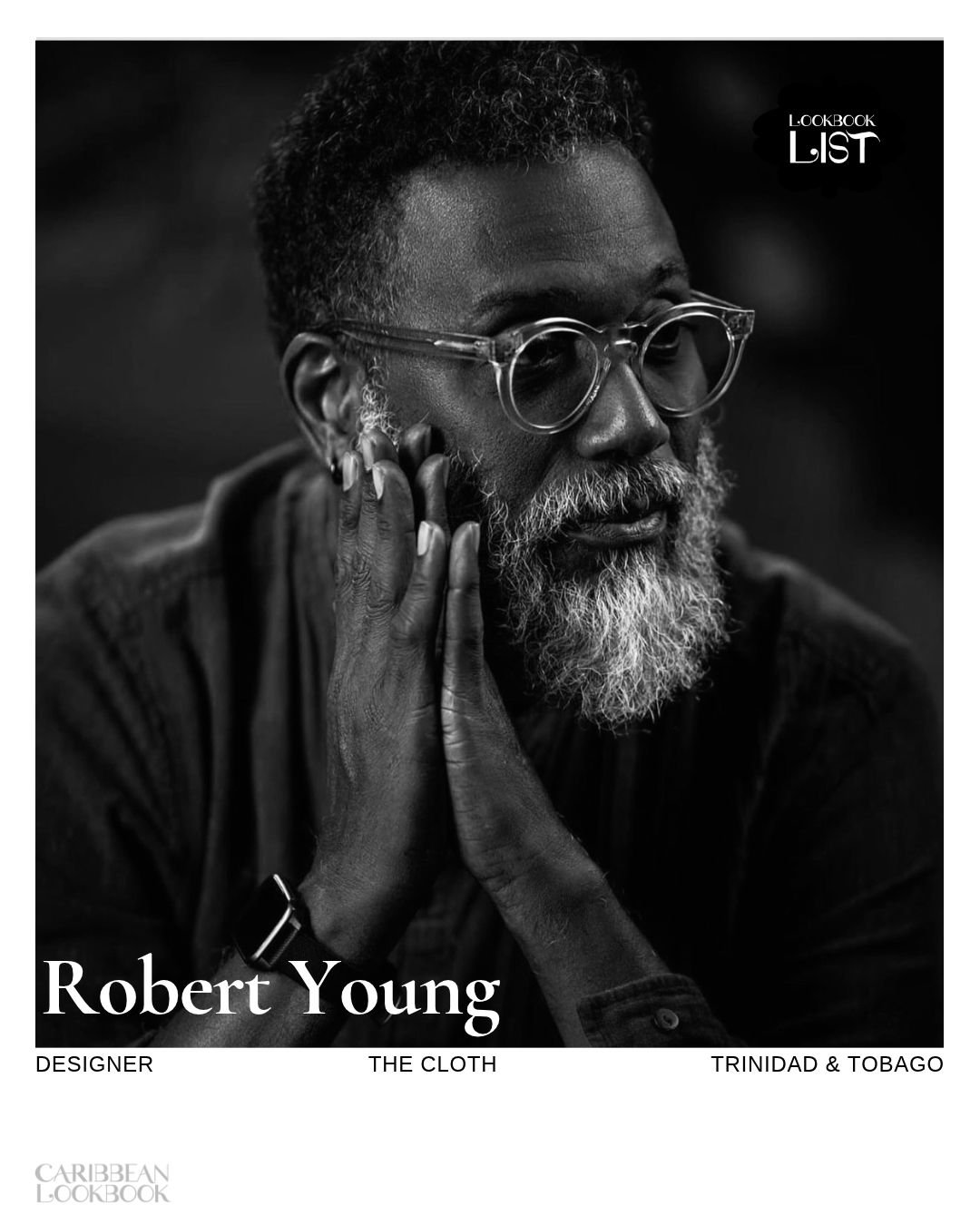
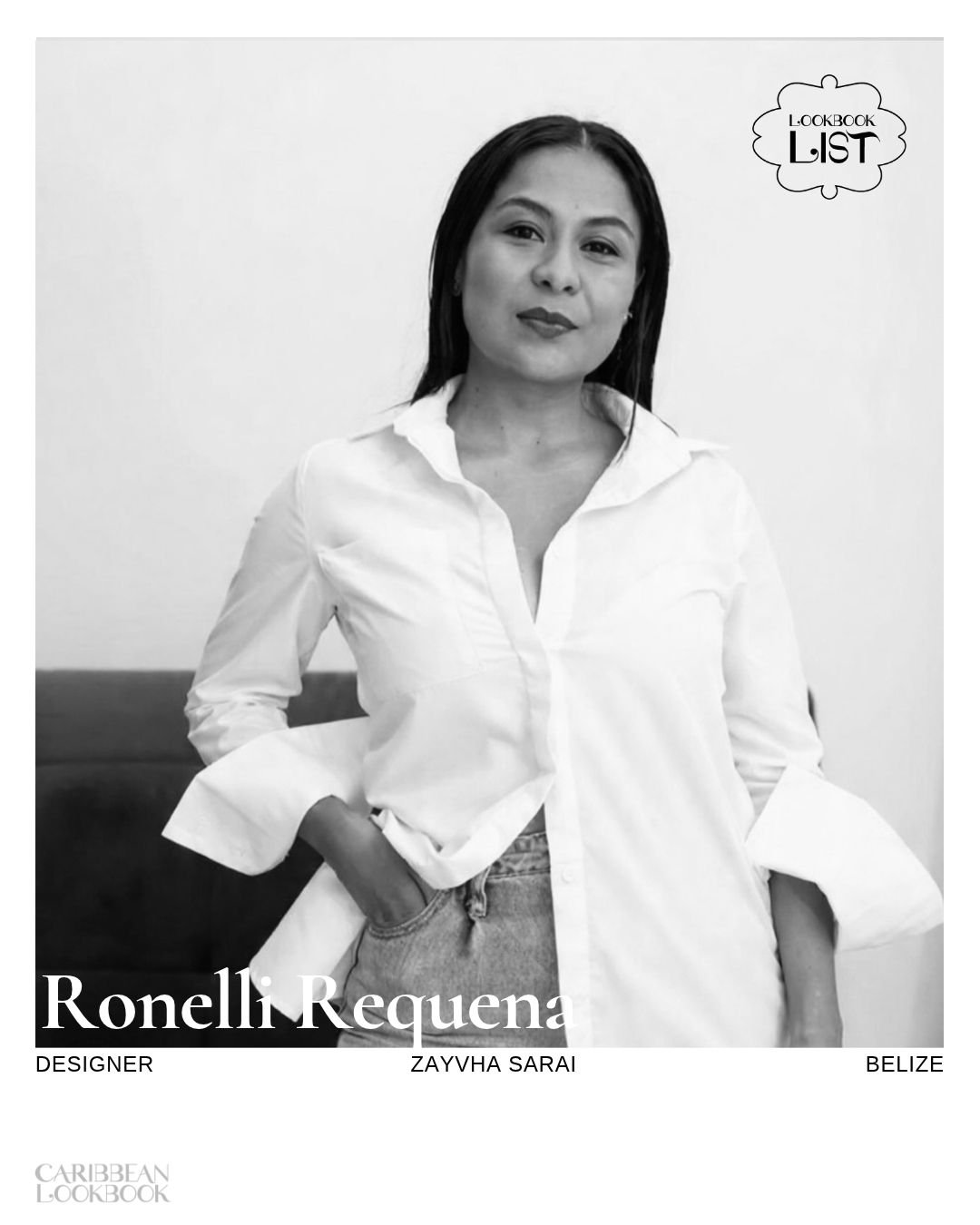
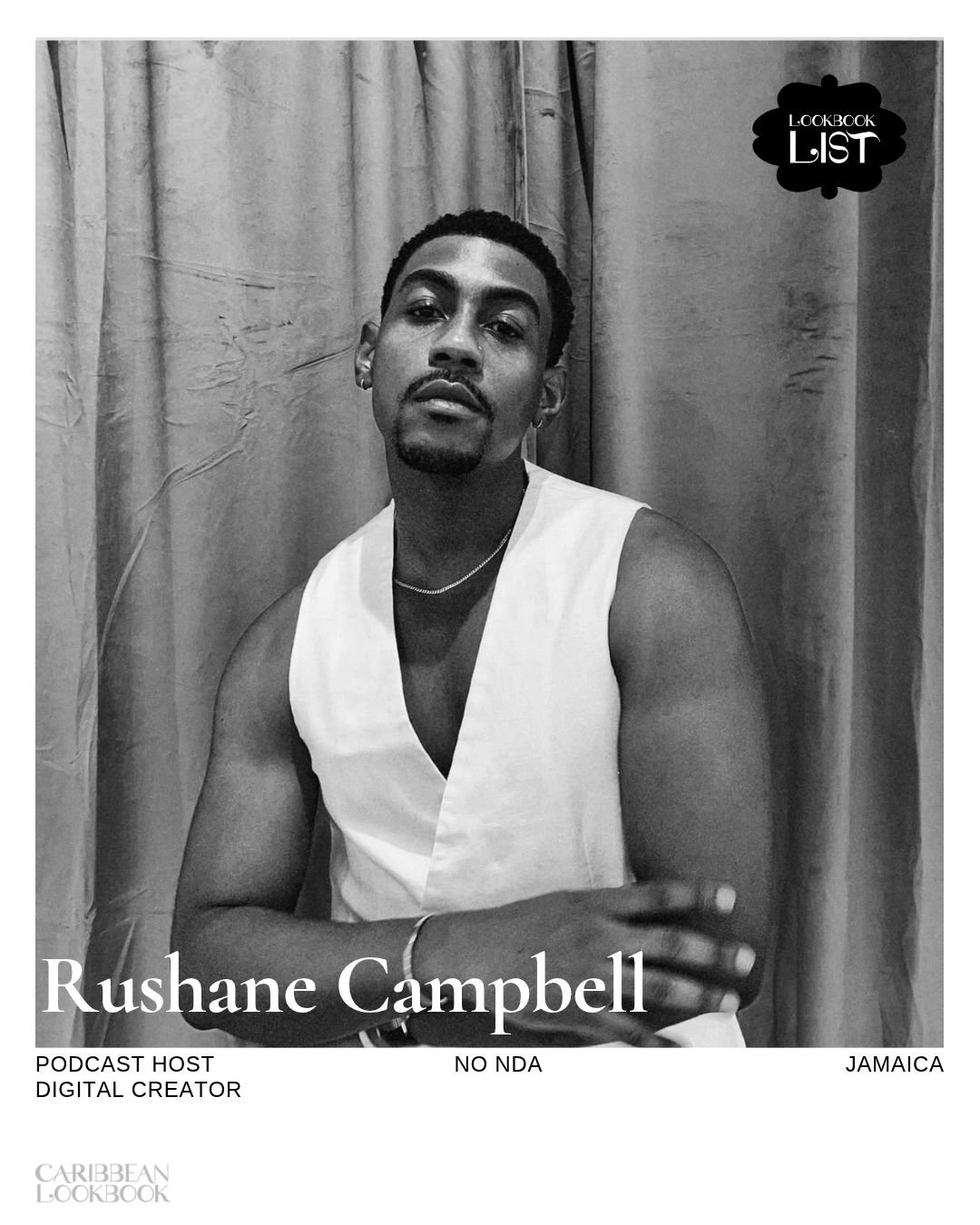
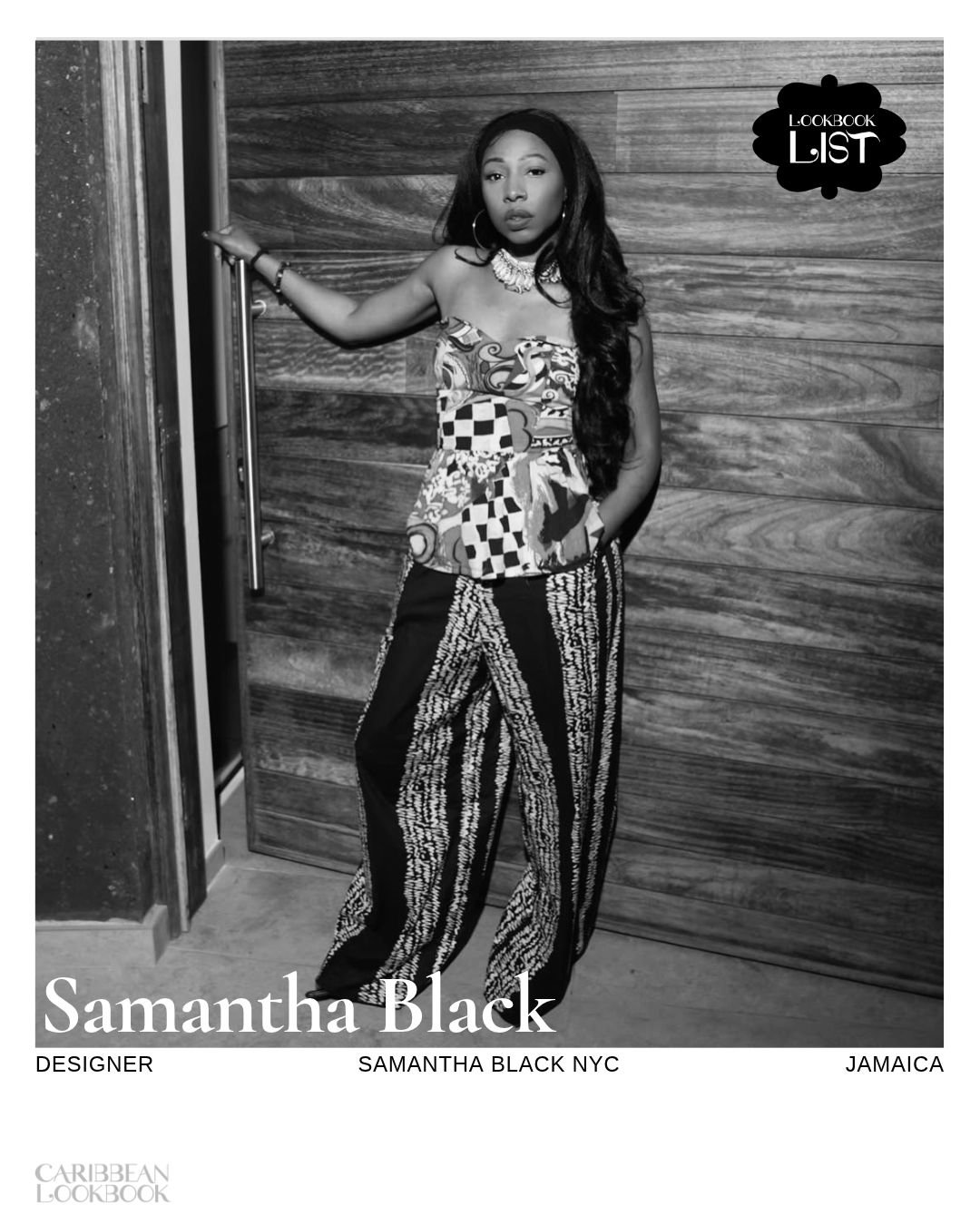
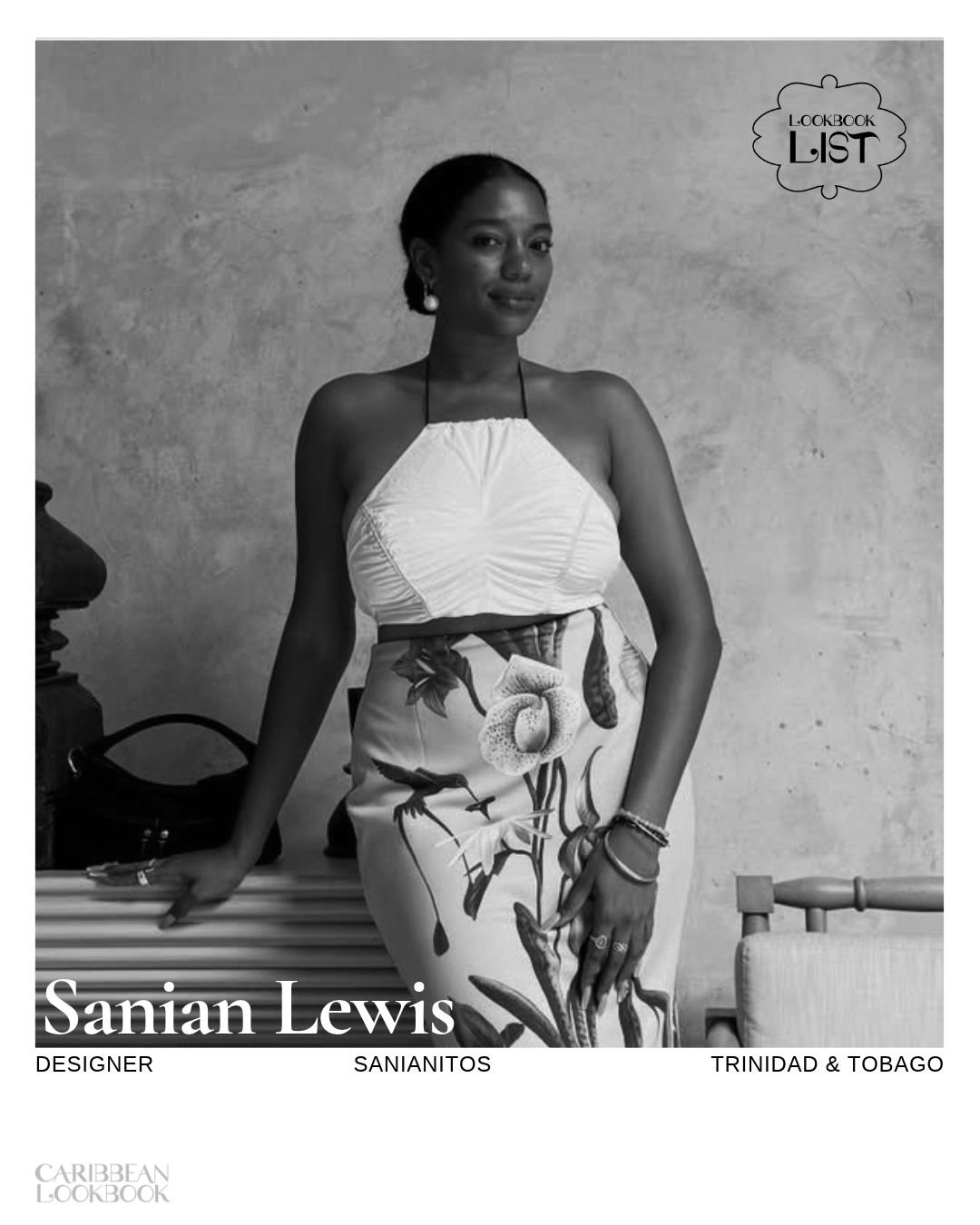
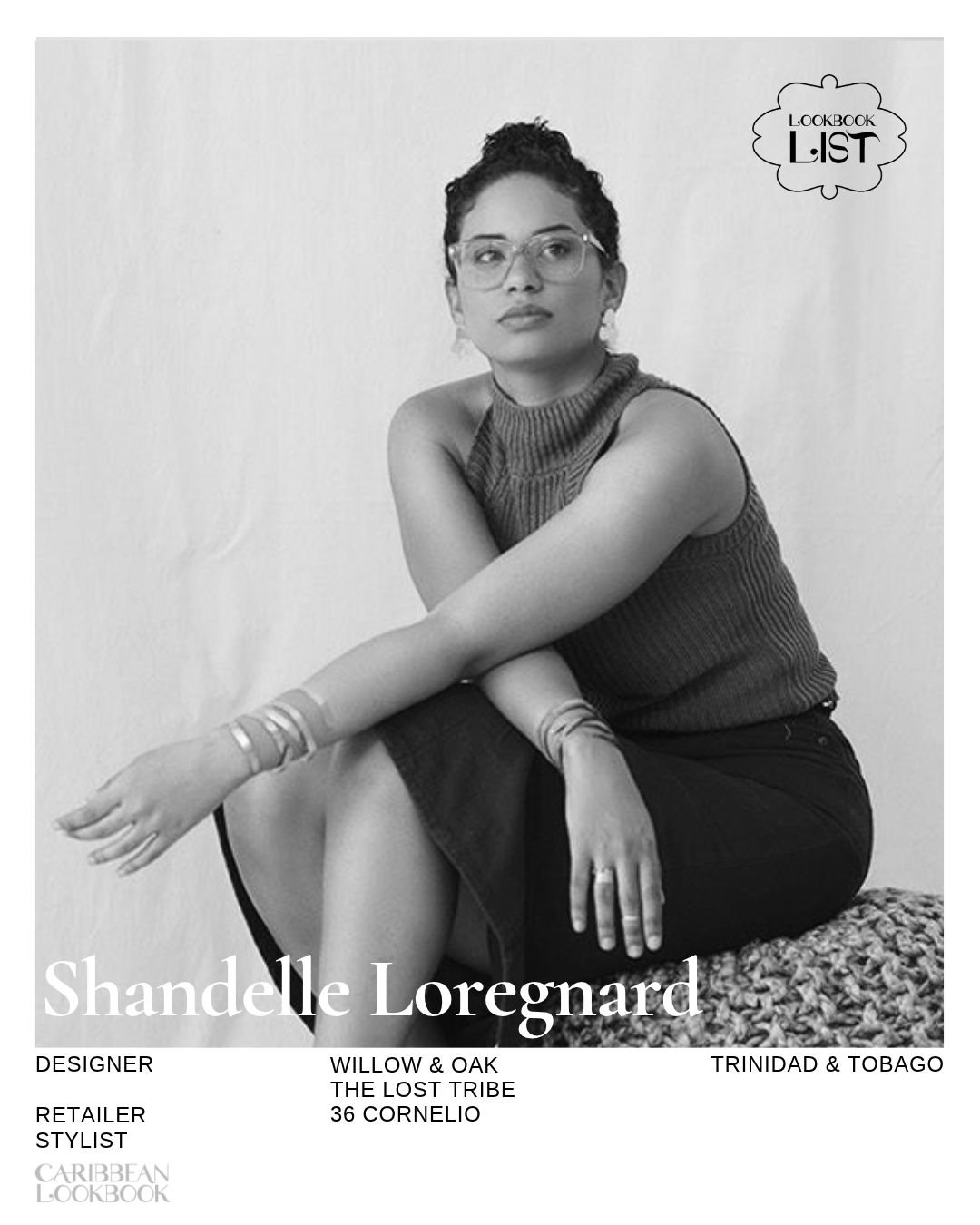
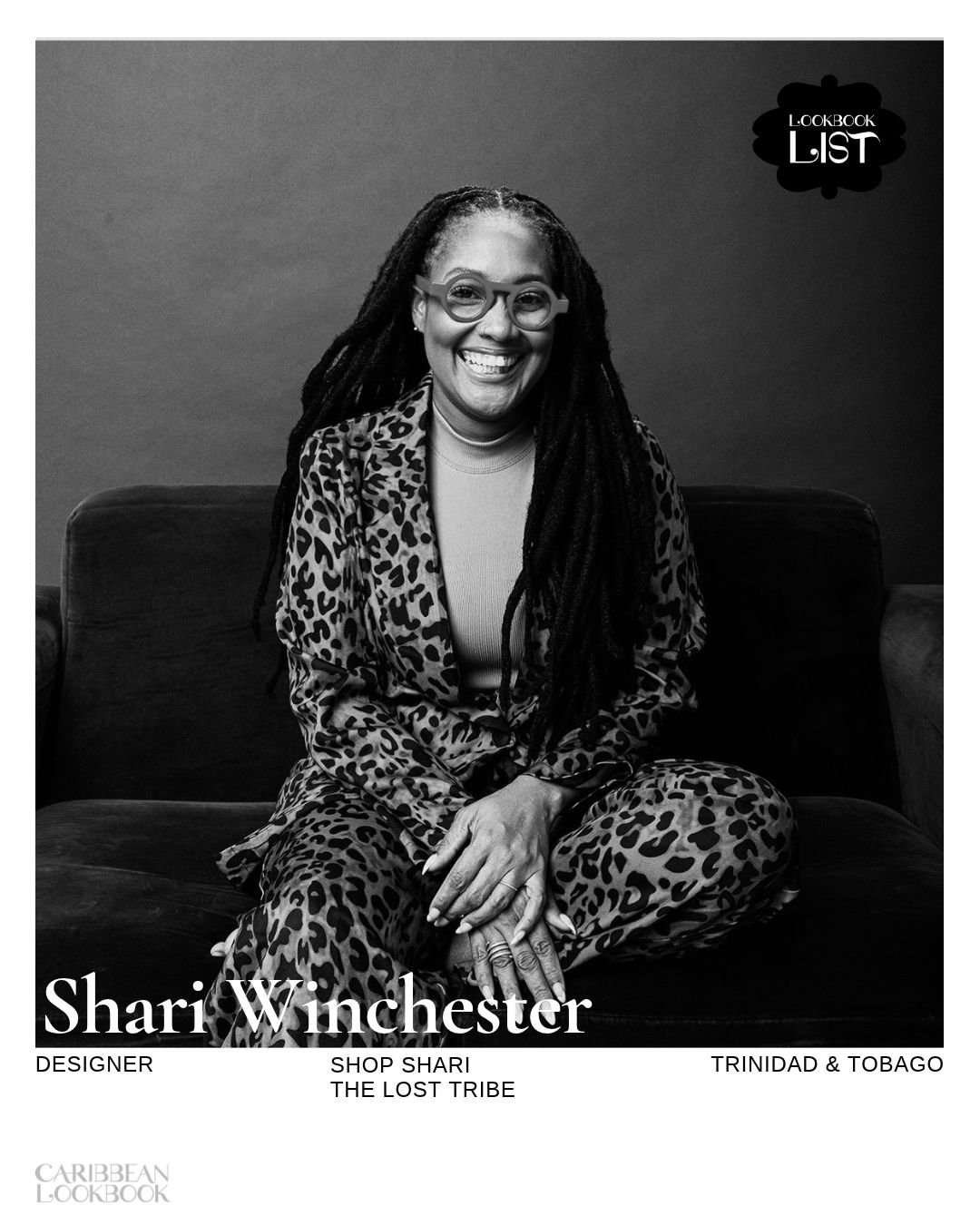

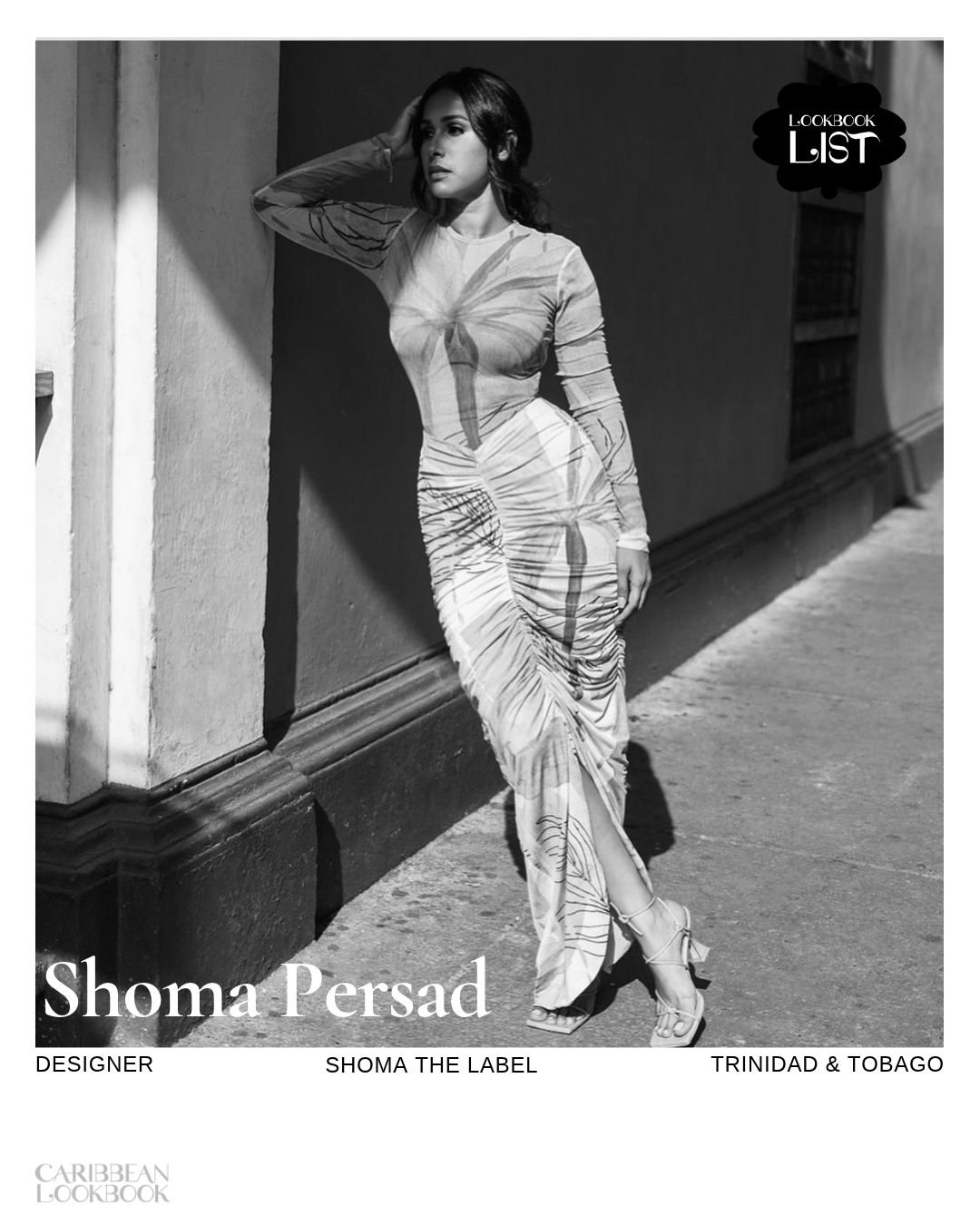
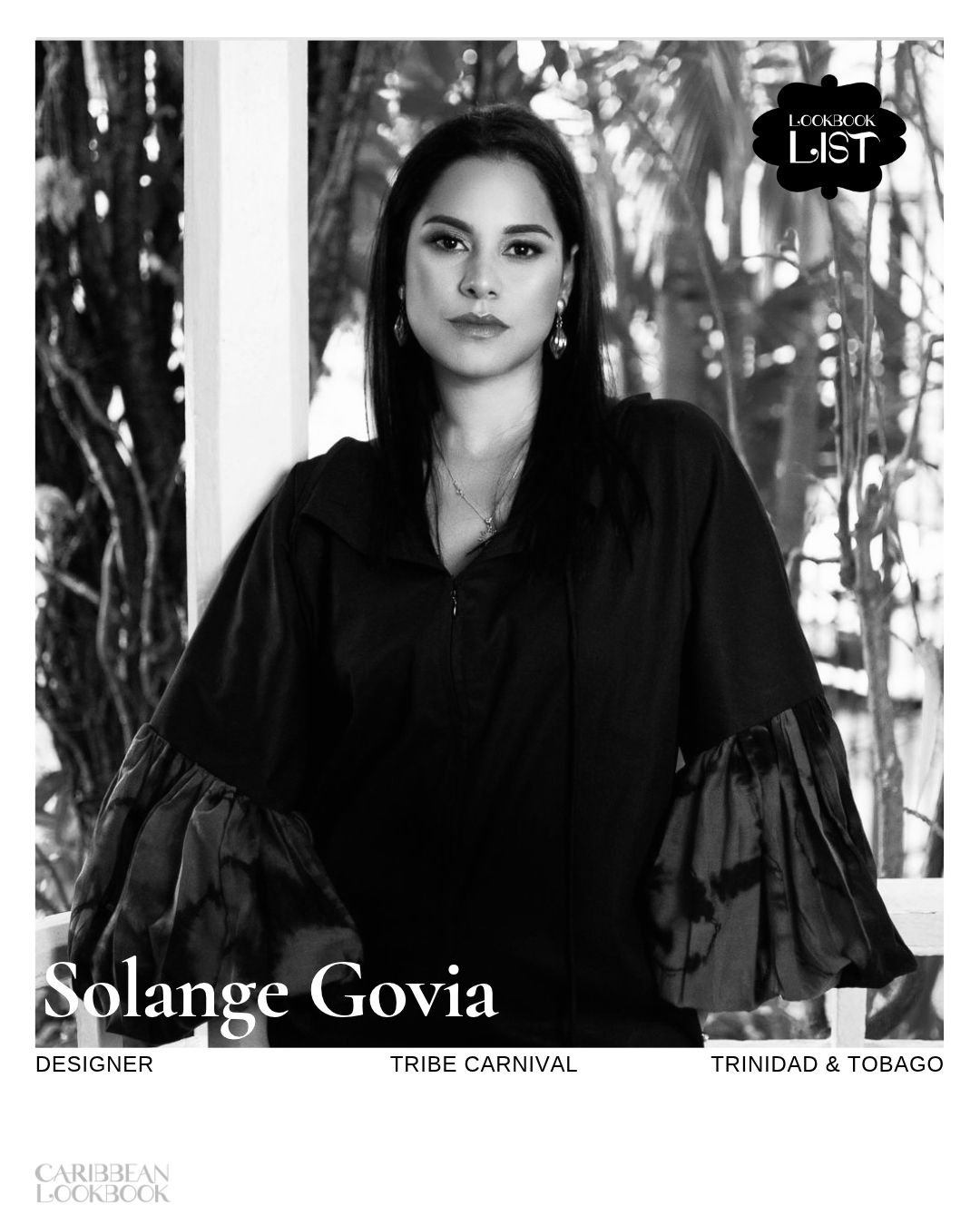
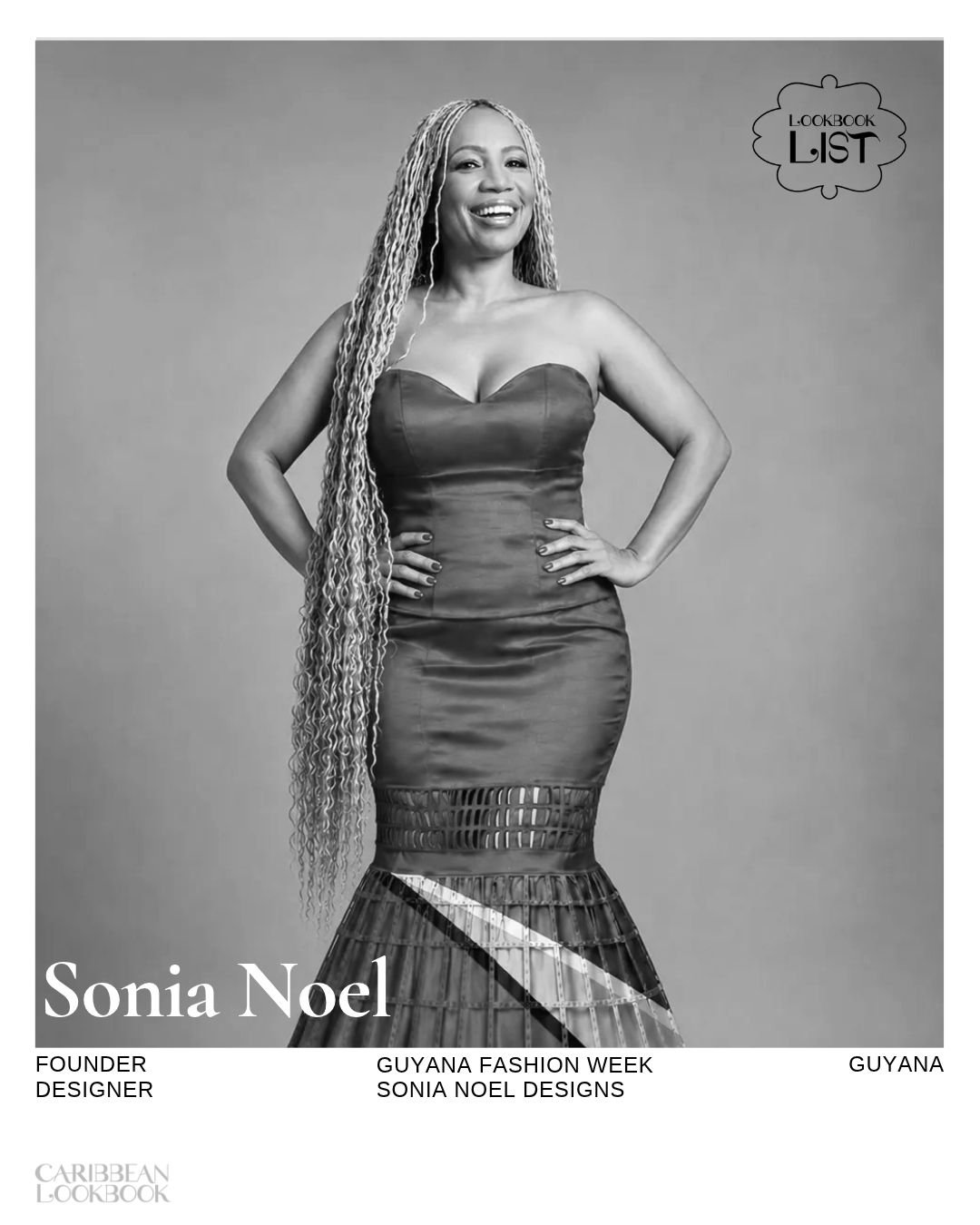
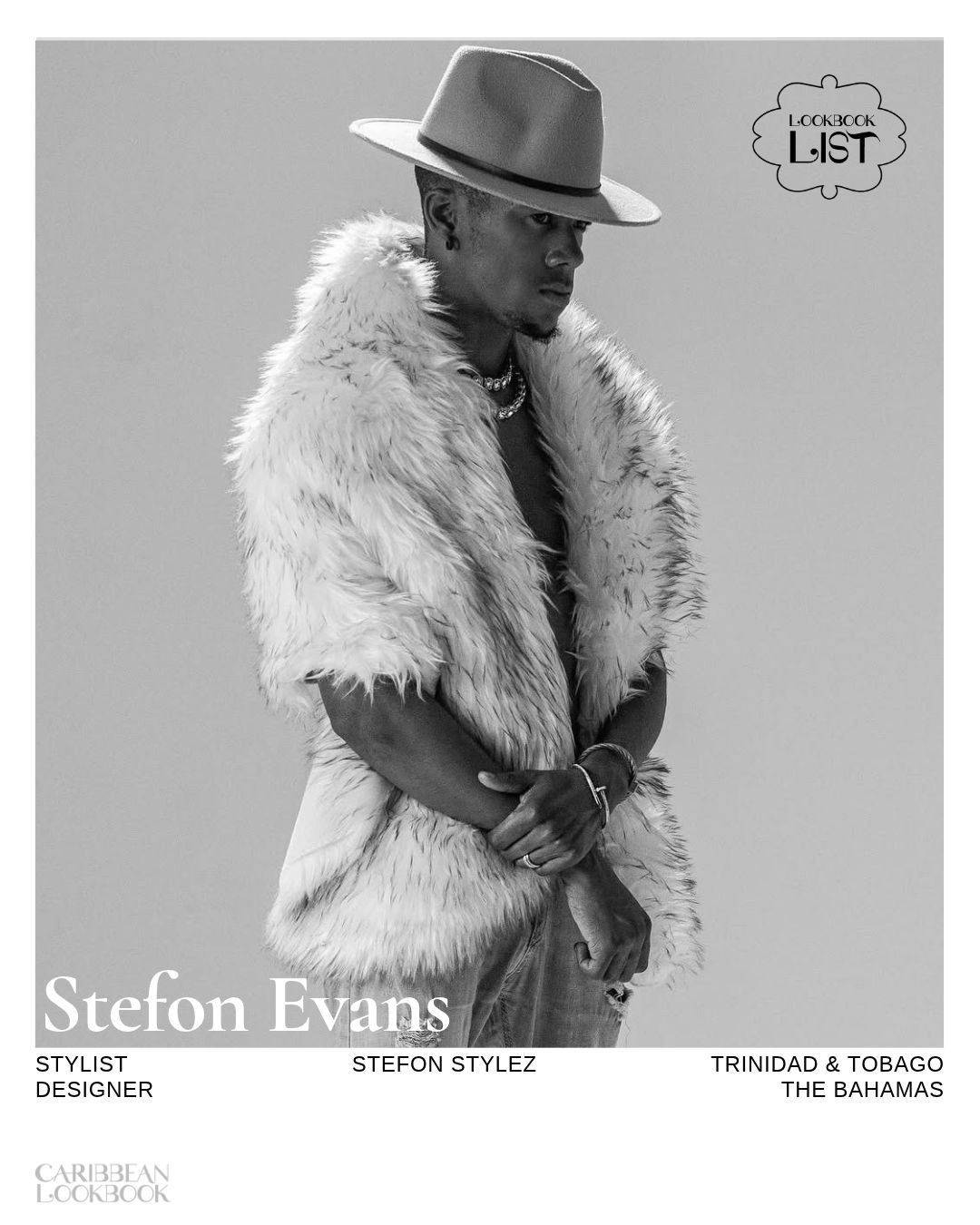
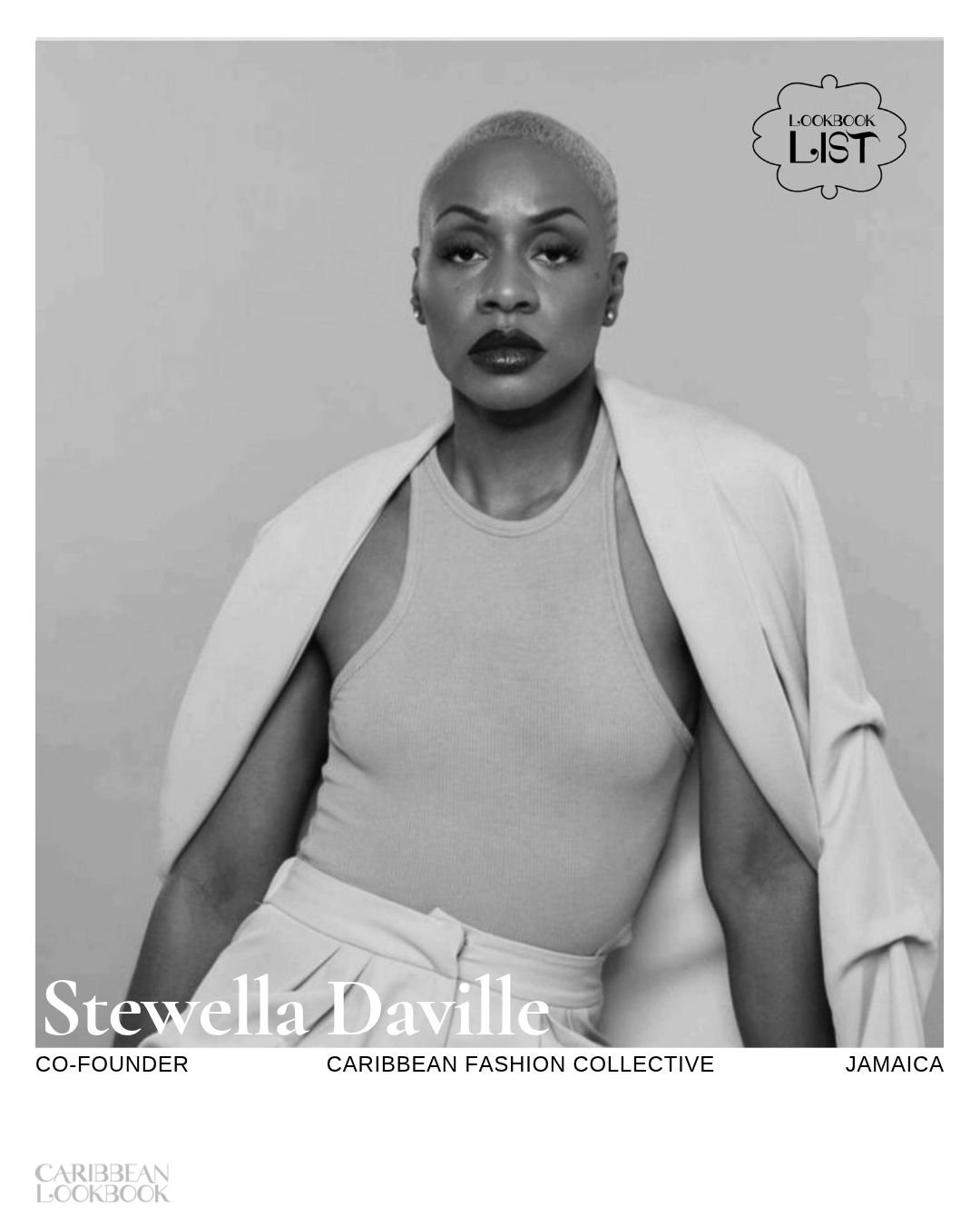

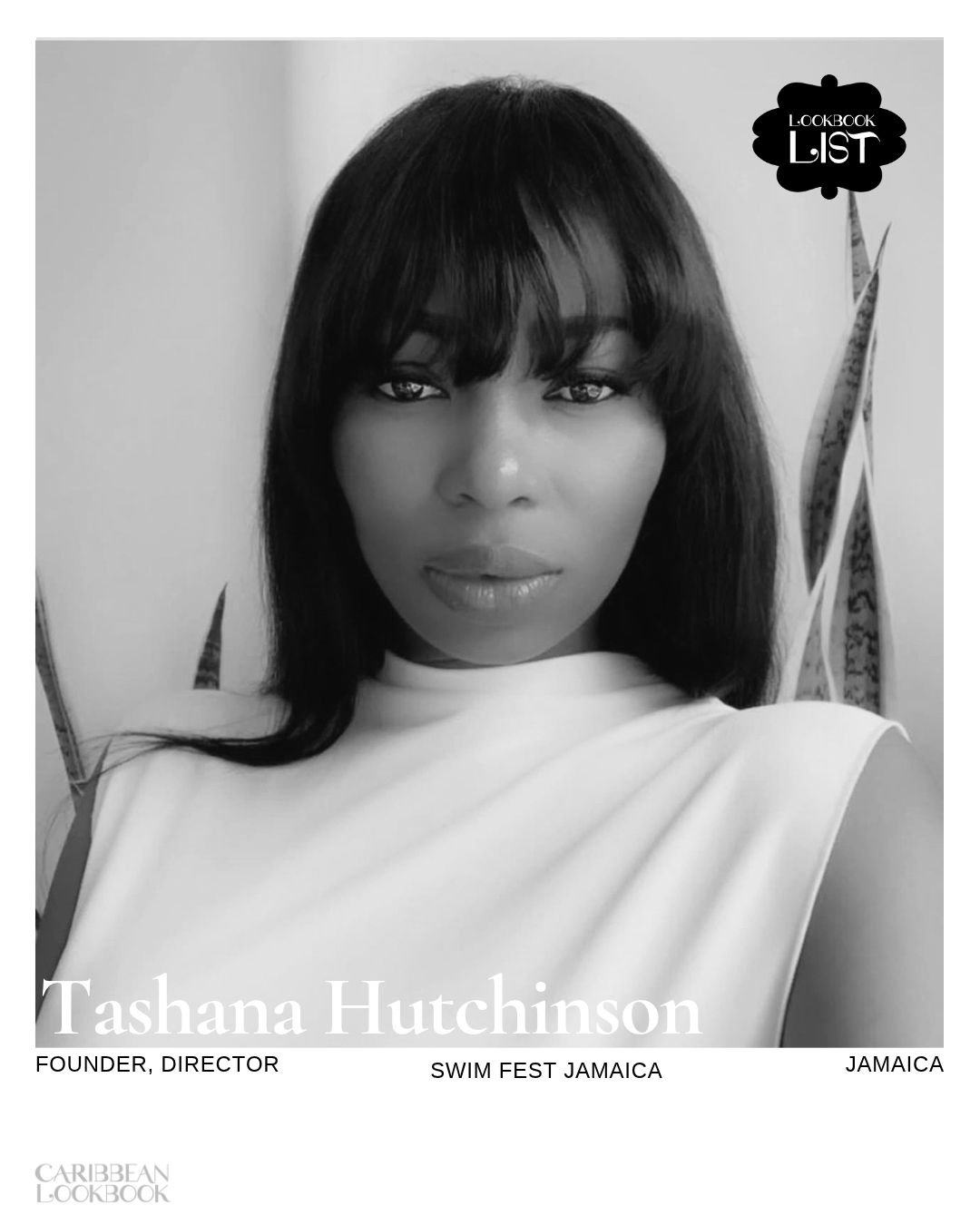

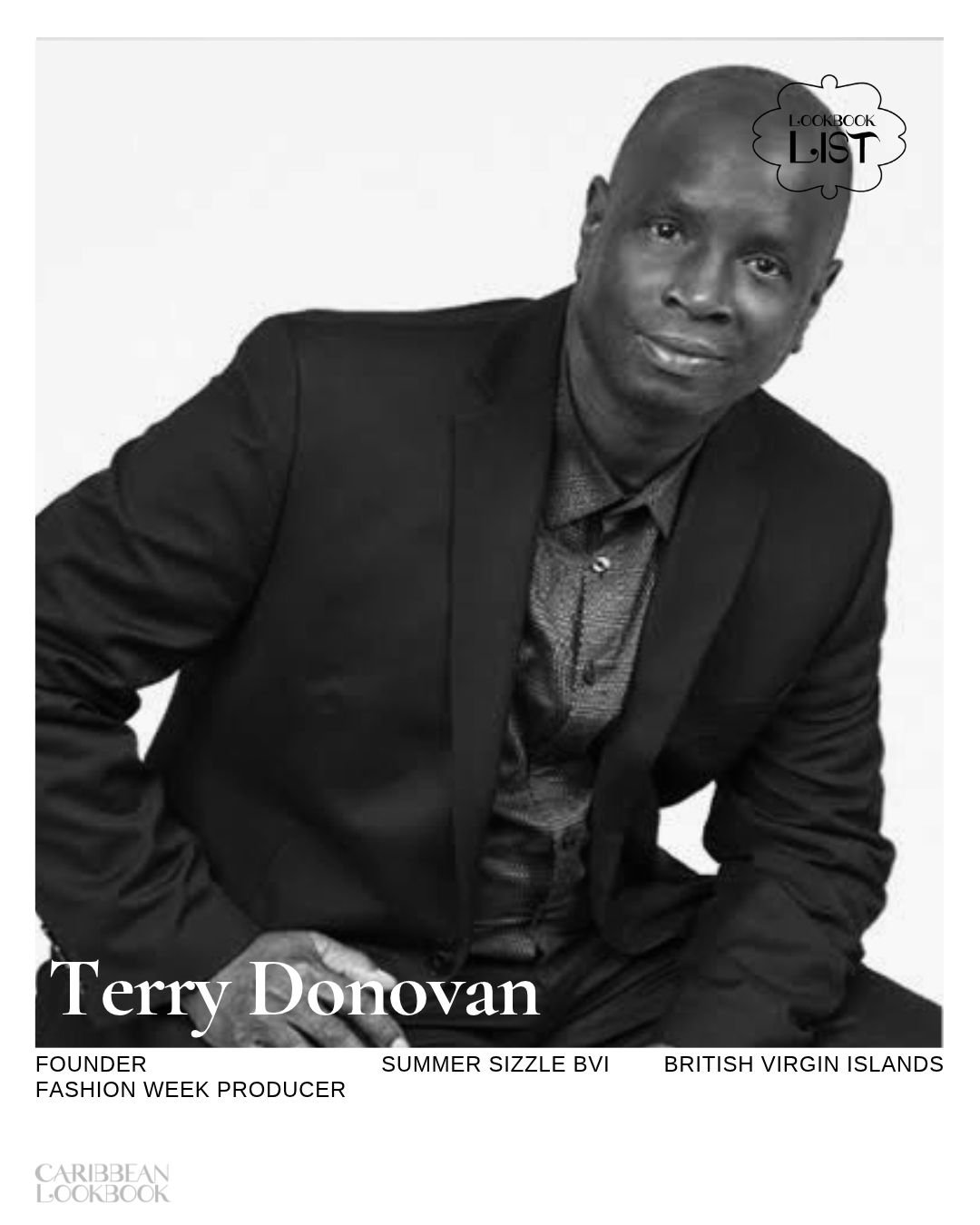

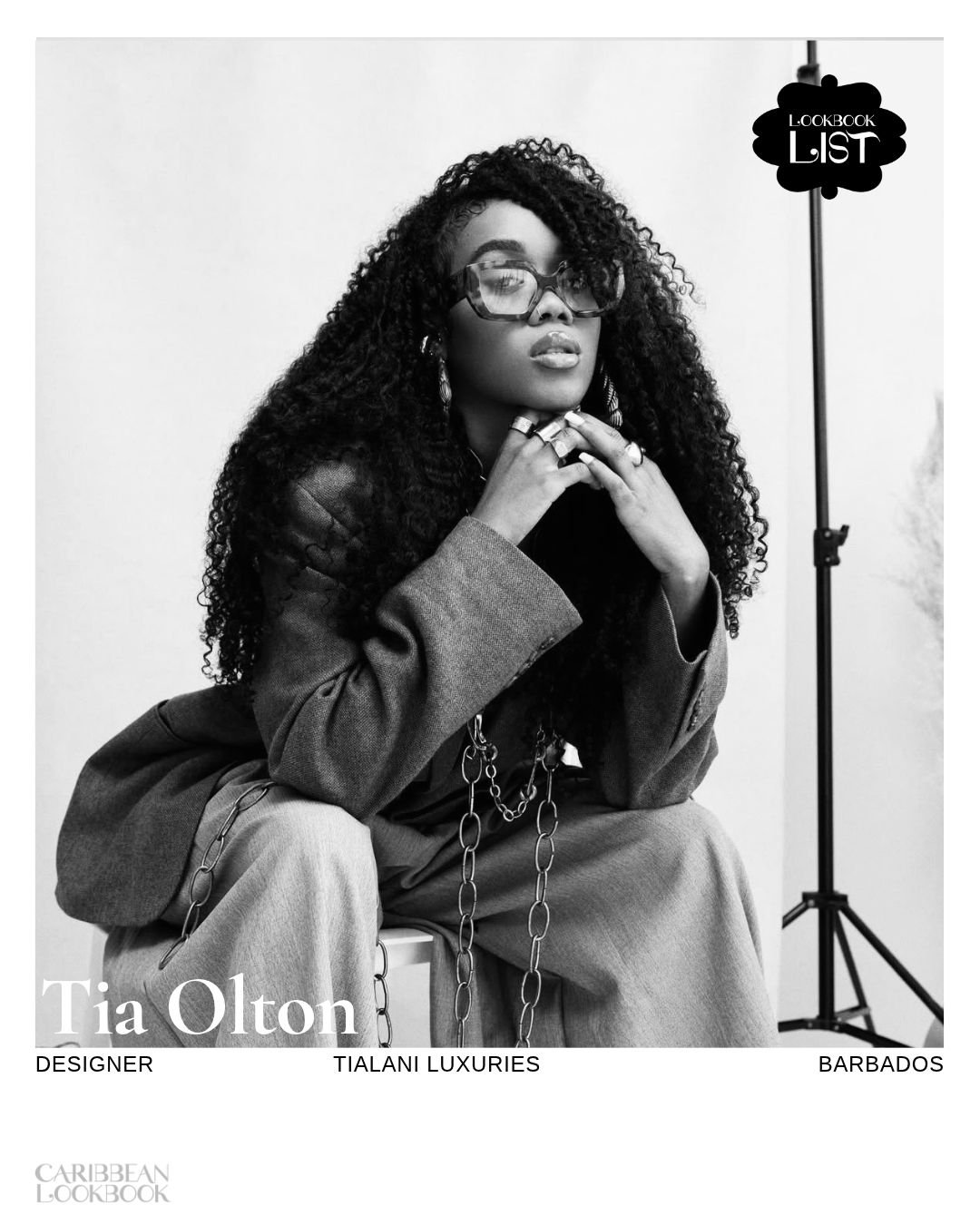
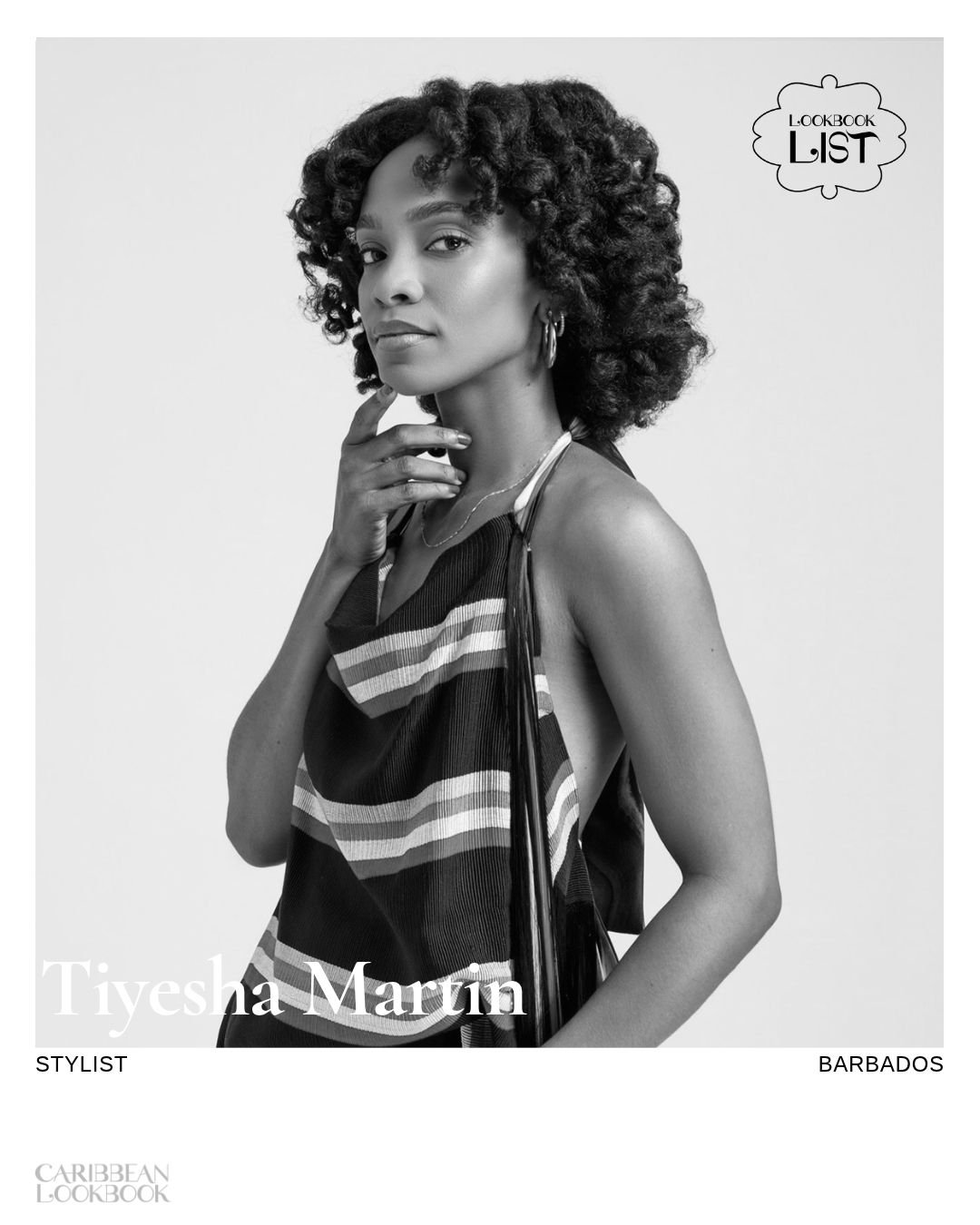
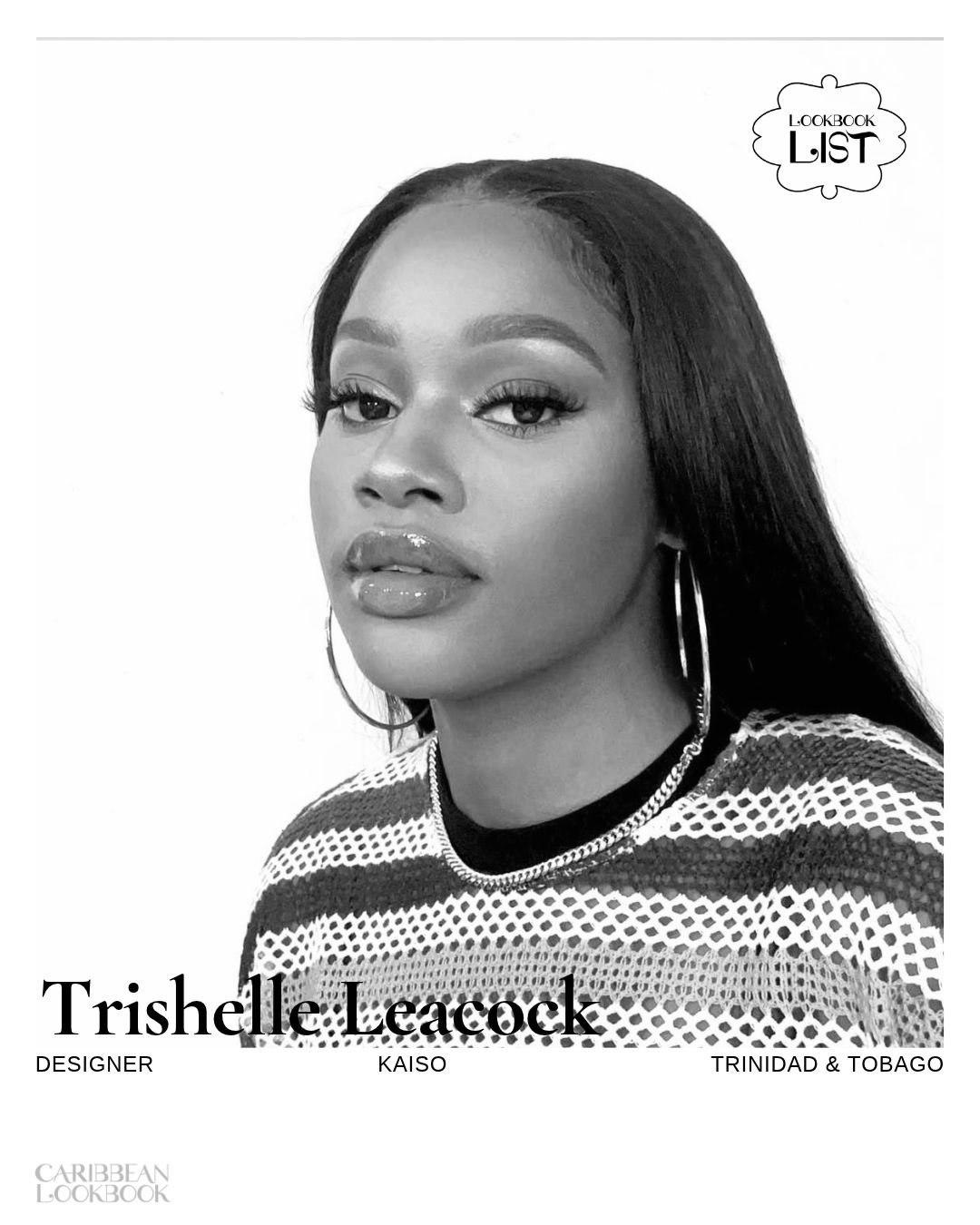

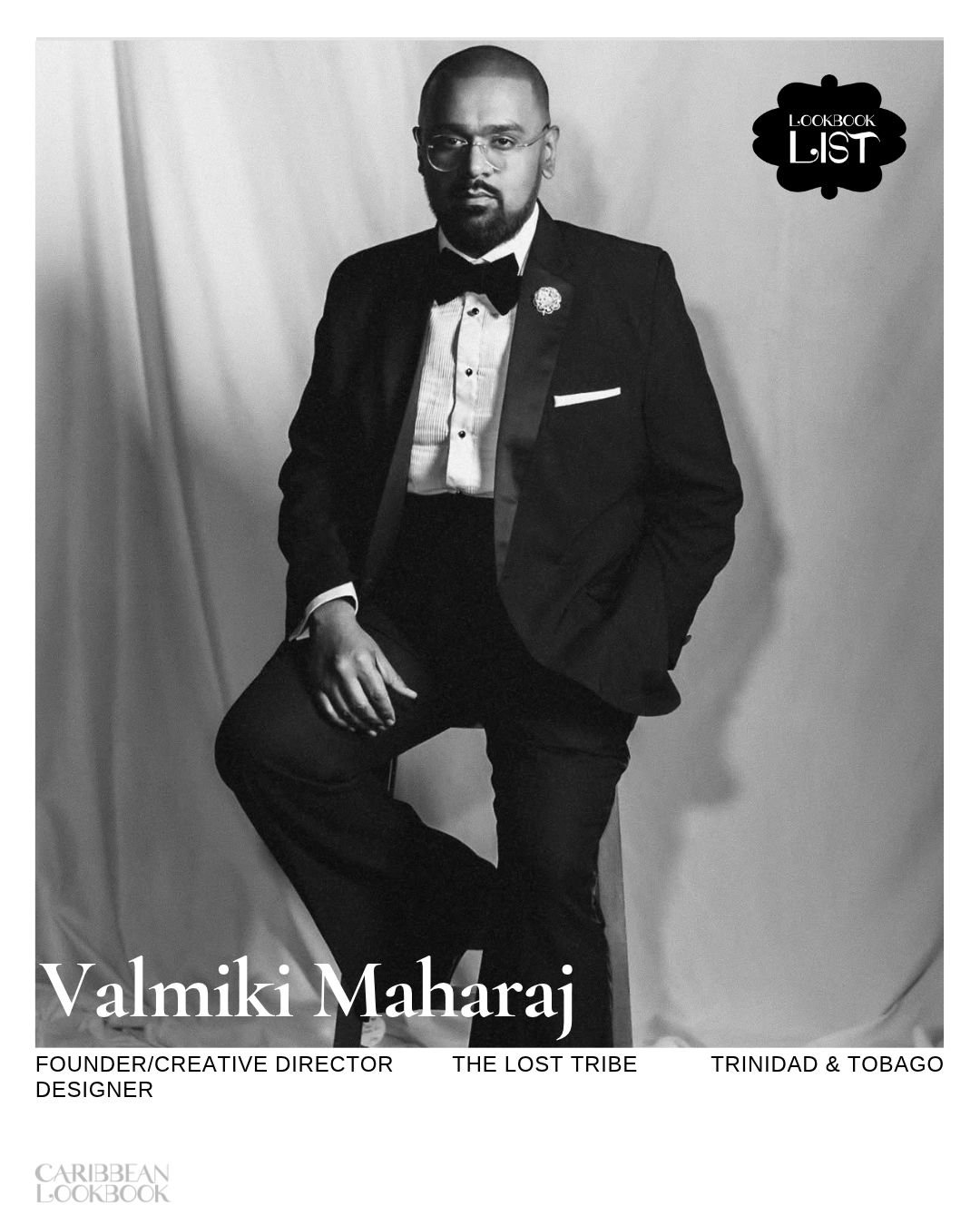
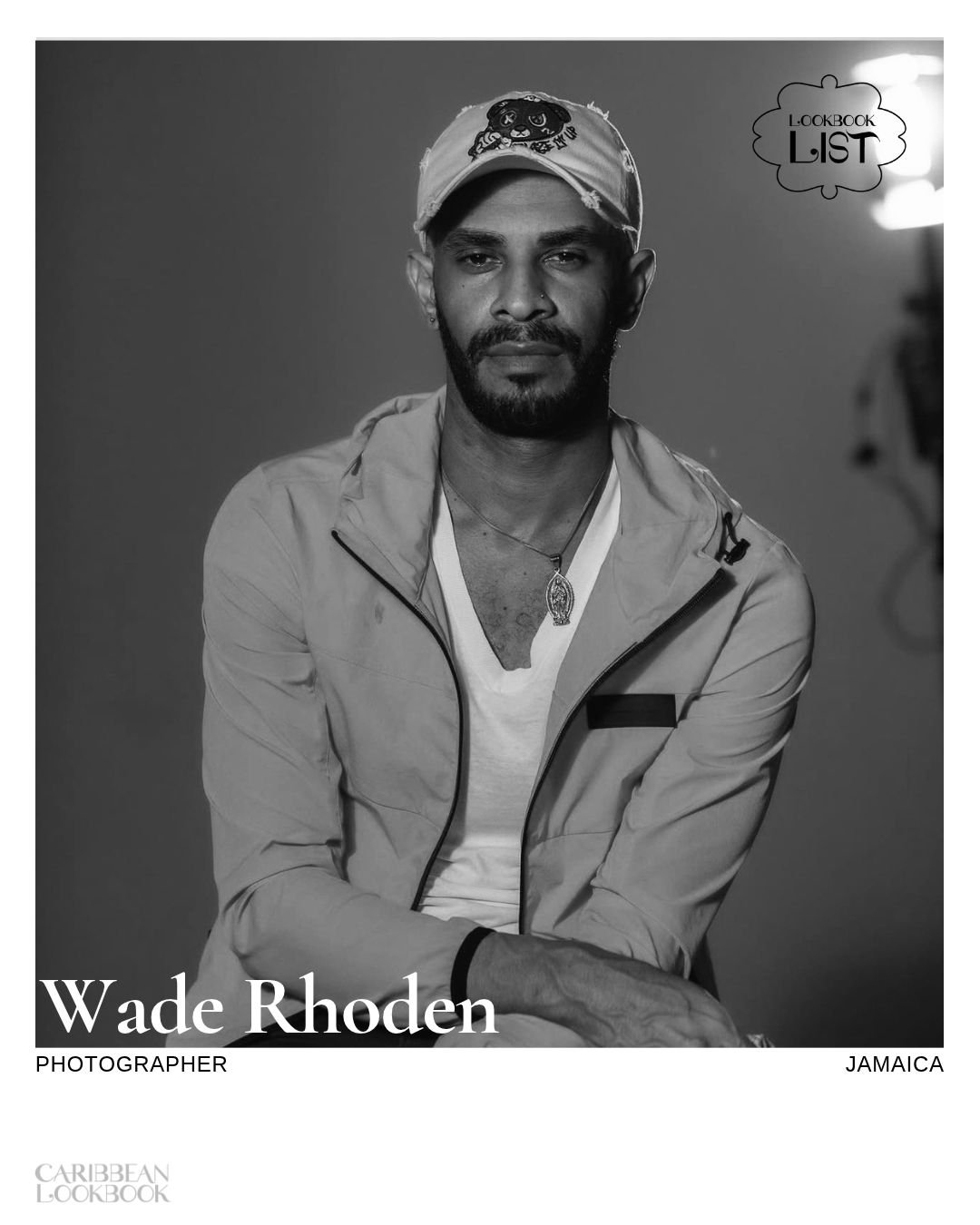
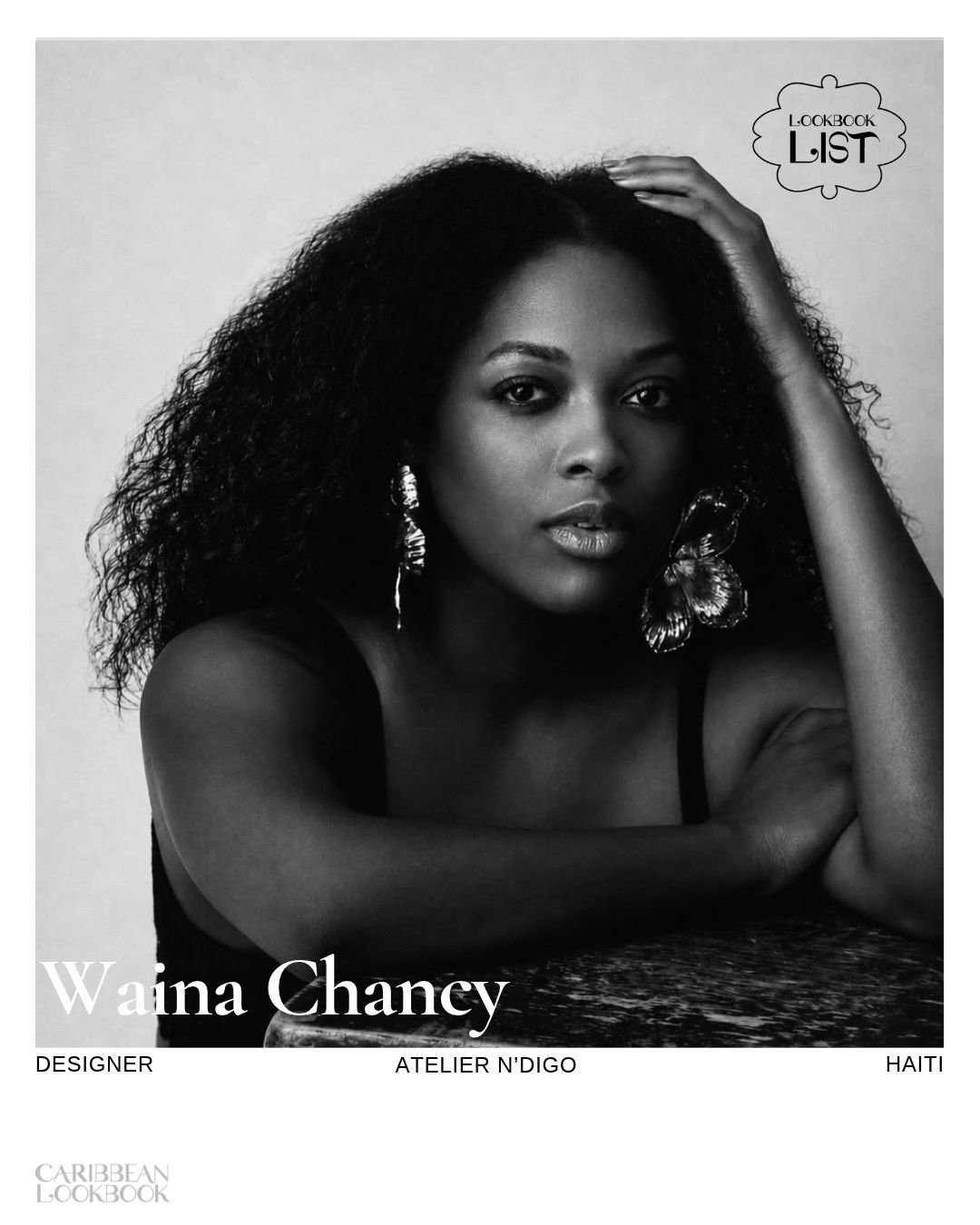

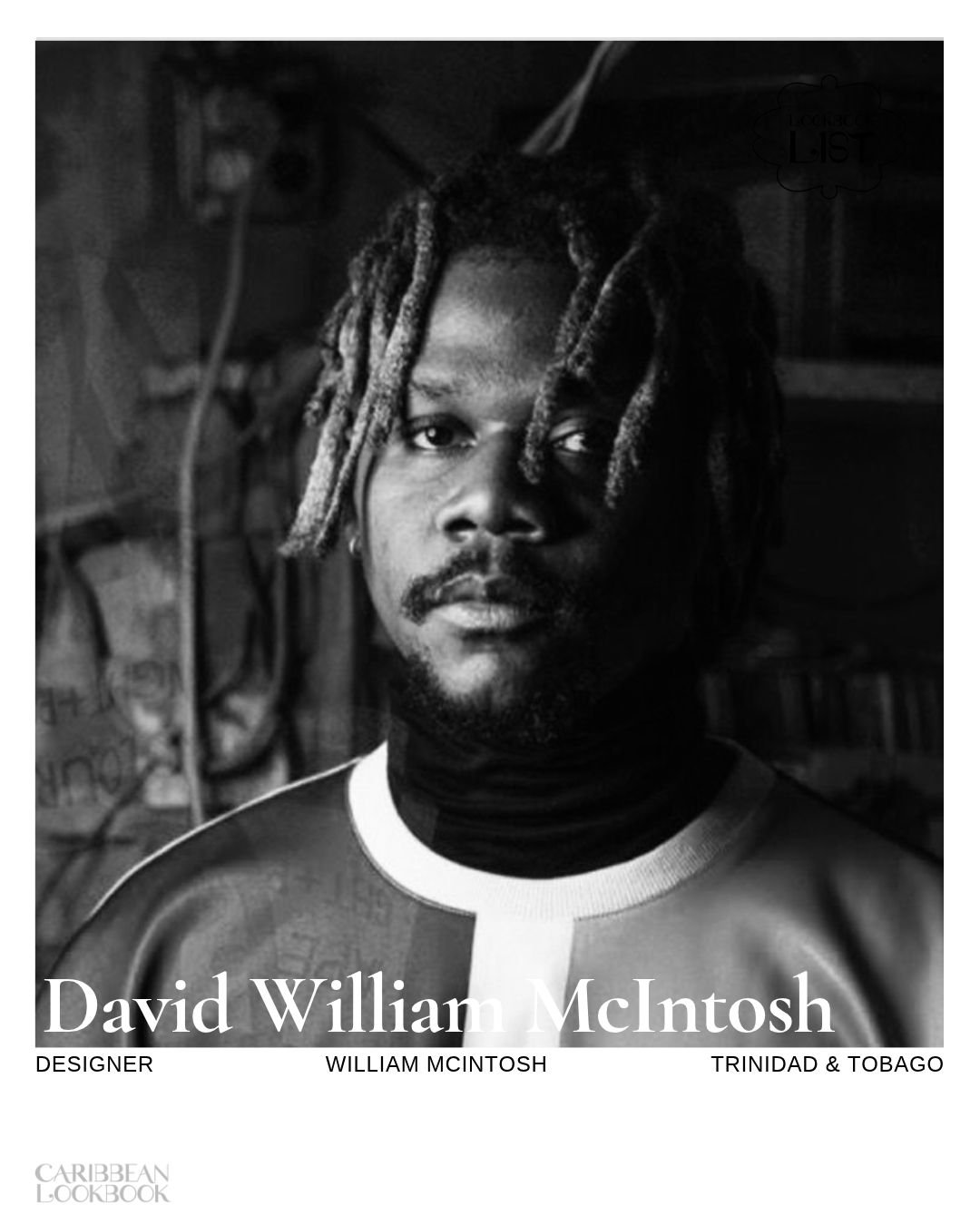
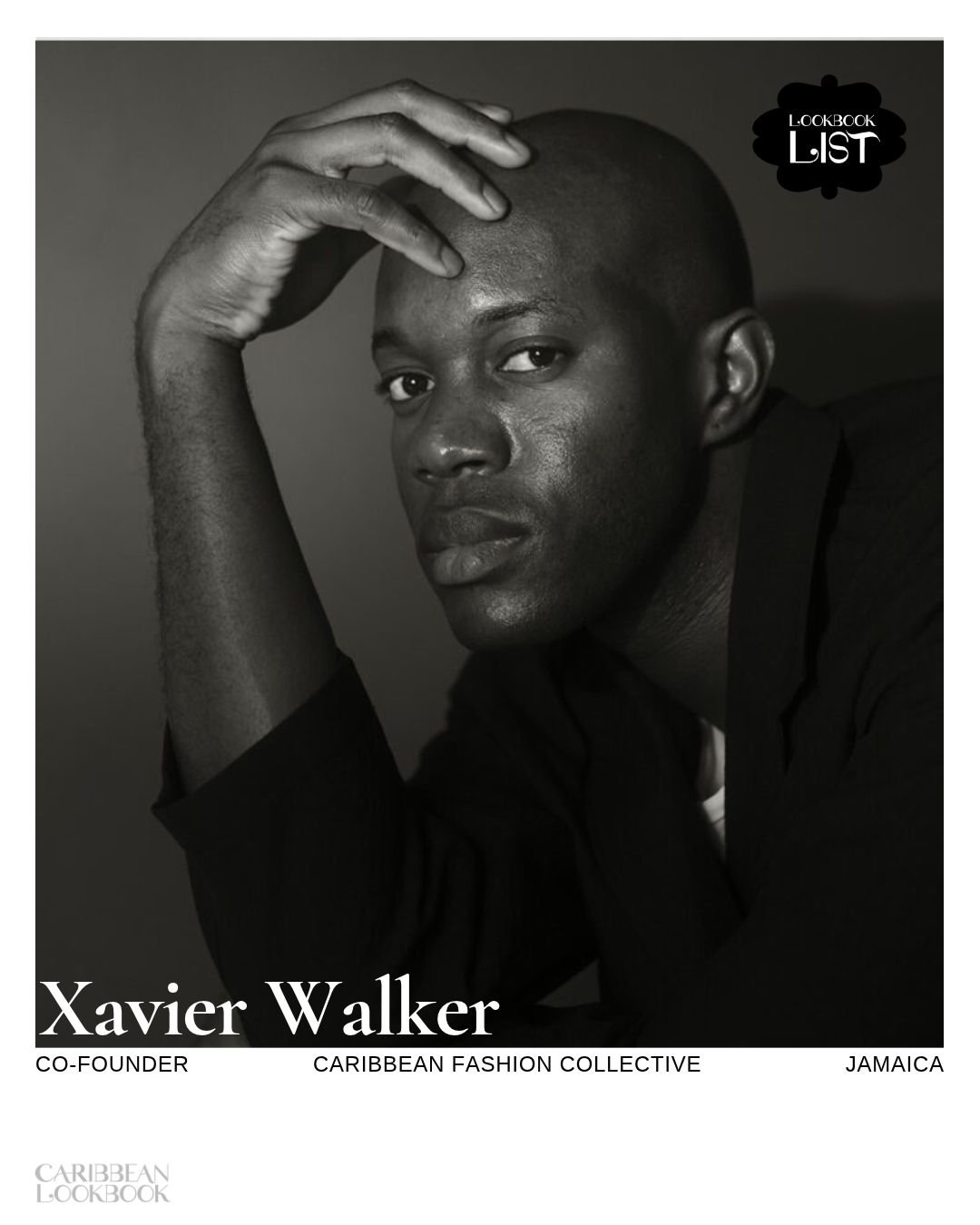
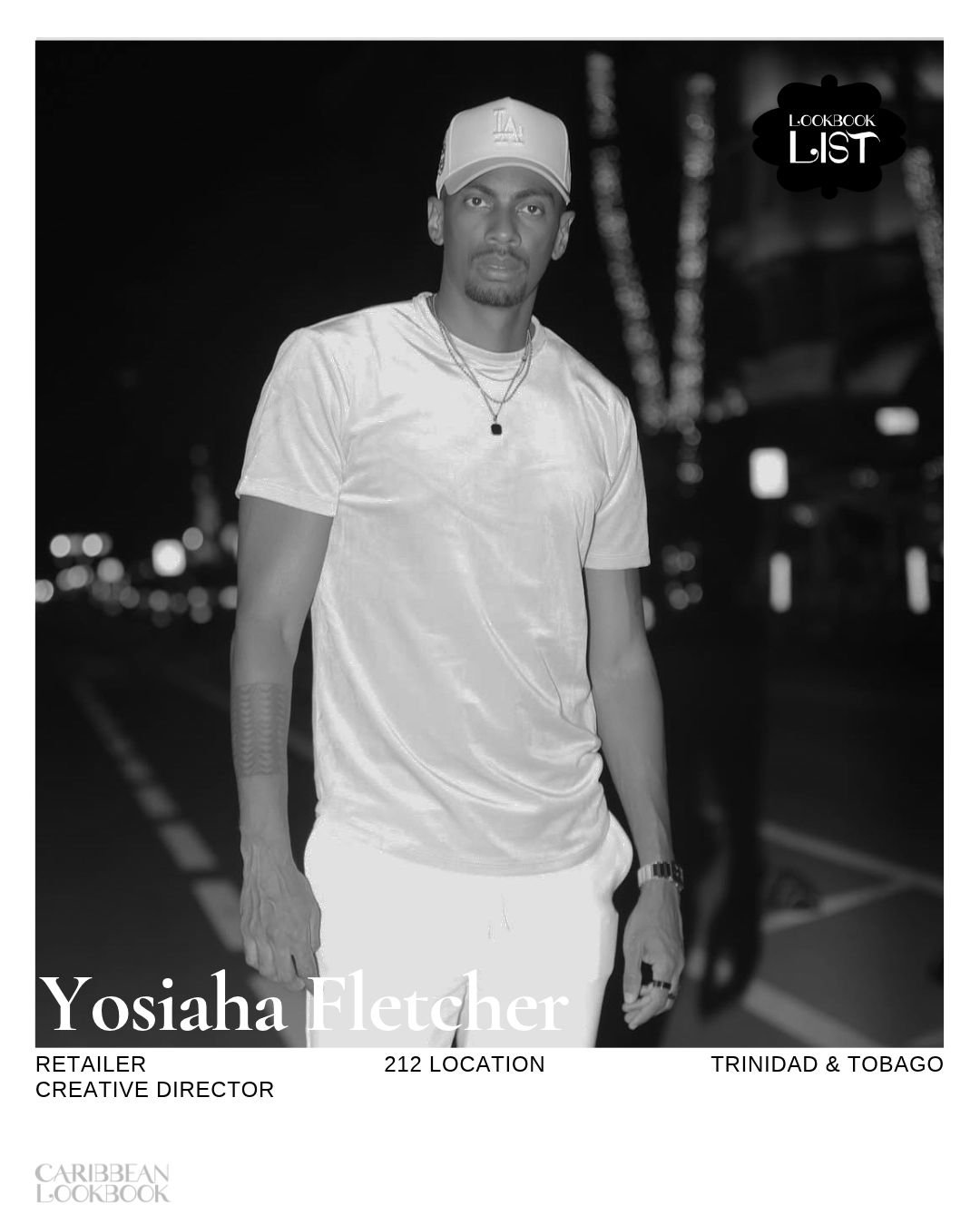
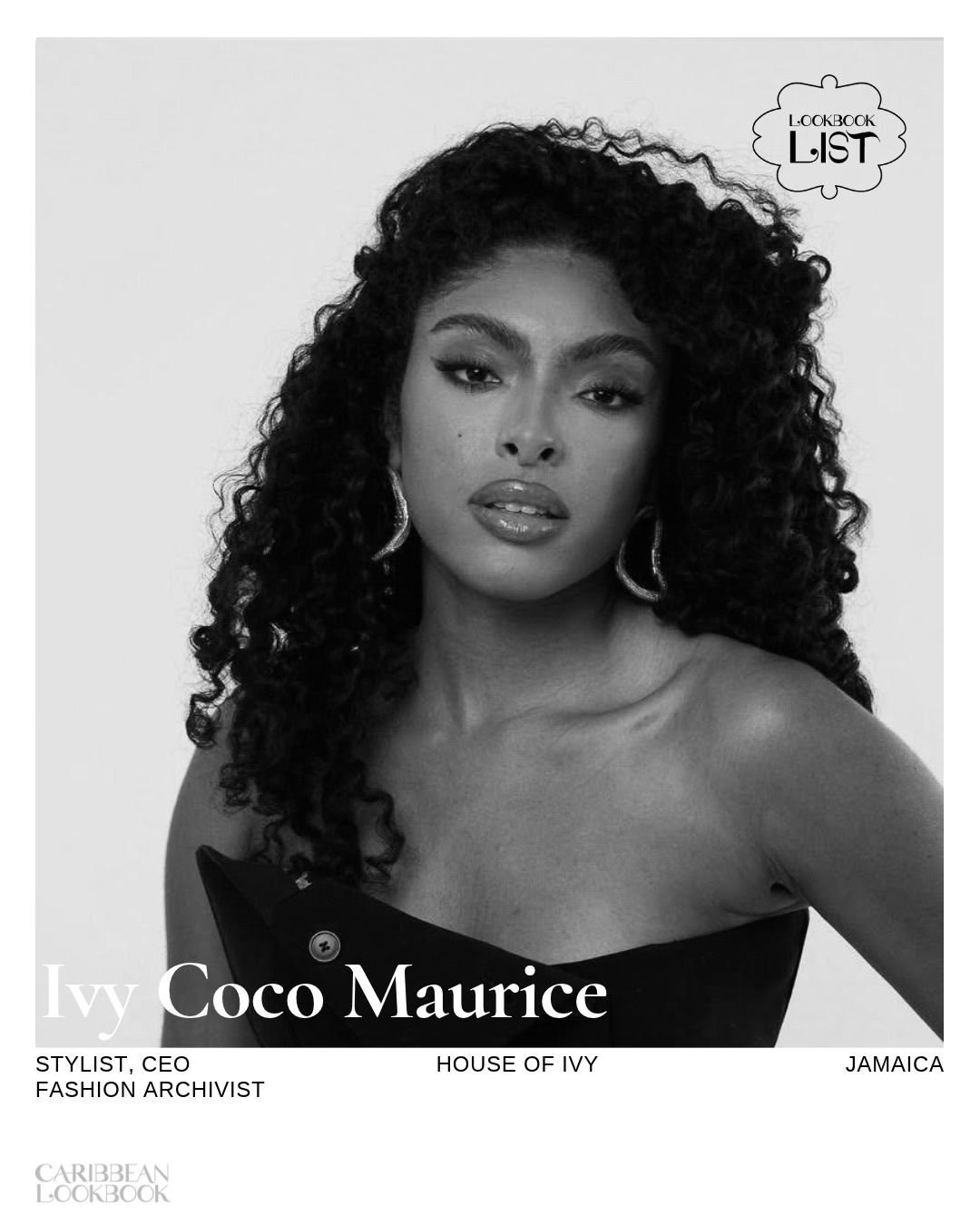
Introducing the inaugural Caribbean Lookbook List: 100+ Makers, Movers, and Muses…
Most of the crochet in Rachel Scott’s Diotima collections is made by the Bonny Gate Women’s Group in Saint Mary, Jamaica. Scott herself works from New York, where she is also creative director at Proenza Schouler. By address, she belongs to the diaspora. By the measure that matters, her business is Jamaican: the skill, the labour, and the income stay with the women of Bonny Gate. That gap between where someone lives and where their work lands is the reason this list exists, and the reason it took so long to define one word: impact.
The Caribbean Lookbook List names just over 150 people and organisations in three groups. The Makers are those doing truly original, high-quality work, the kind that could only come from here. The Movers enable everyone else’s success: the people who produce fashion weeks and trade shows, host pop-ups, teach, run trade missions, and open doors for designers they may never wear. The Muses direct attention and investment back to the region, whether by styling, modelling, photographing, or simply putting Caribbean designers in front of an audience that would not otherwise see them.
Each person was scored on five criteria: depth of impact, reach, regional commitment, sustained influence, and forward momentum. Depth counted double, and it was defined differently for each group. A Maker’s depth is the originality and quality of the work. A Mover’s is what they have unlocked for others. A Muse’s is how much demand they have redirected toward Caribbean makers. The distinction is deliberate. Makers will always make. The Movers and Muses impact whether anyone sees the work, buys it, or can afford to keep producing it.
For Movers and Muses we asked one further question: if this person disappeared tomorrow, would makers lose access, income, or audience?
The list is rooted in the region, and it includes people based abroad only when the Caribbean is built into what they do. Production, sourcing, hiring, and consistent amplification count. Heritage alone does not. A large following was never enough by itself, and a Caribbean passport was never a substitute for Caribbean commitment. Rachel Scott clears that bar because the Caribbean is more than her mood board, it’s part of her supply chain.
The list also refuses the shortcut of the English-speaking islands. Sócrates McKinney, who produces Dominicana Moda and RD Bridal Fashion Week in the Dominican Republic, is the sort of person an Anglophone list tends to miss, though he has curated the ACP Fashion Show in Kenya with Caribbean Export and built platforms that designers across the region can use. A list that stopped at the language border would have been wrong about where the work happens.
This list is an argument as much as a ranking. It says that the strength of Caribbean fashion should be measured by where value lands: whose hands are paid, whose work is seen, and whose names are known.
The reveals begin today and run over the next few days. Follow Caribbean Lookbook on Instagram to see who made the list.


